 111
111 2
2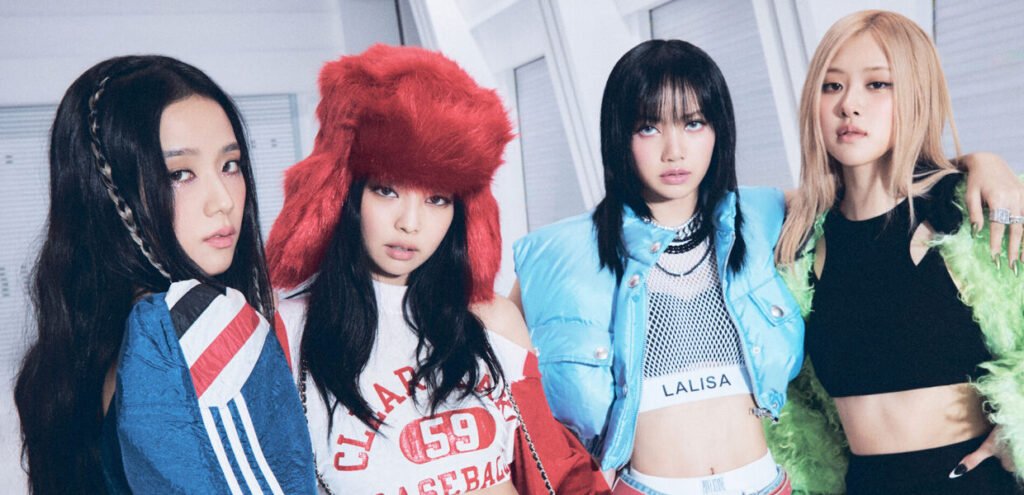 3
3 4
4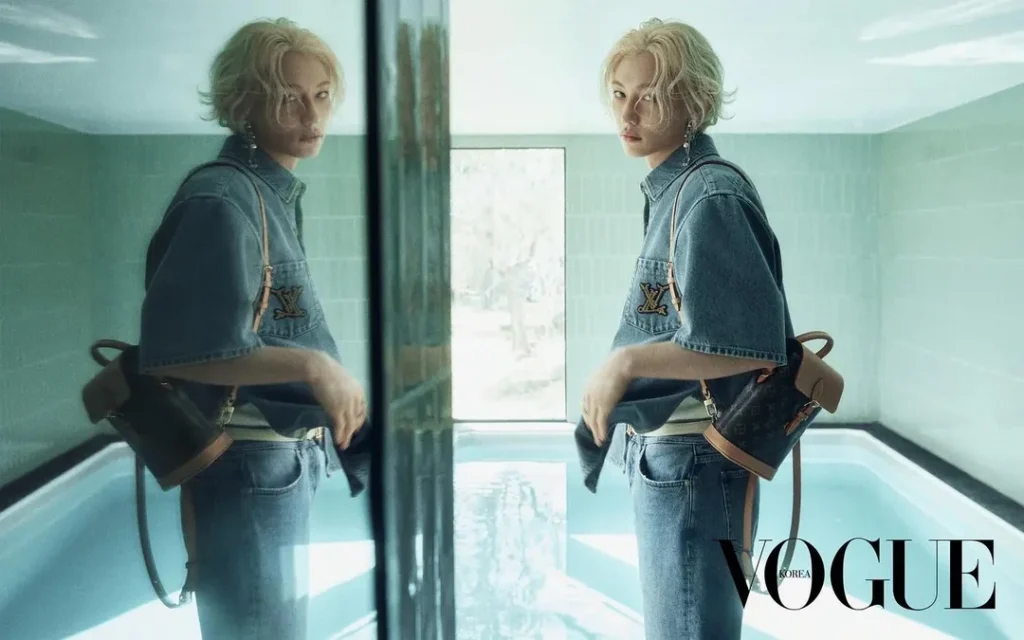 5
5 6
6 7
7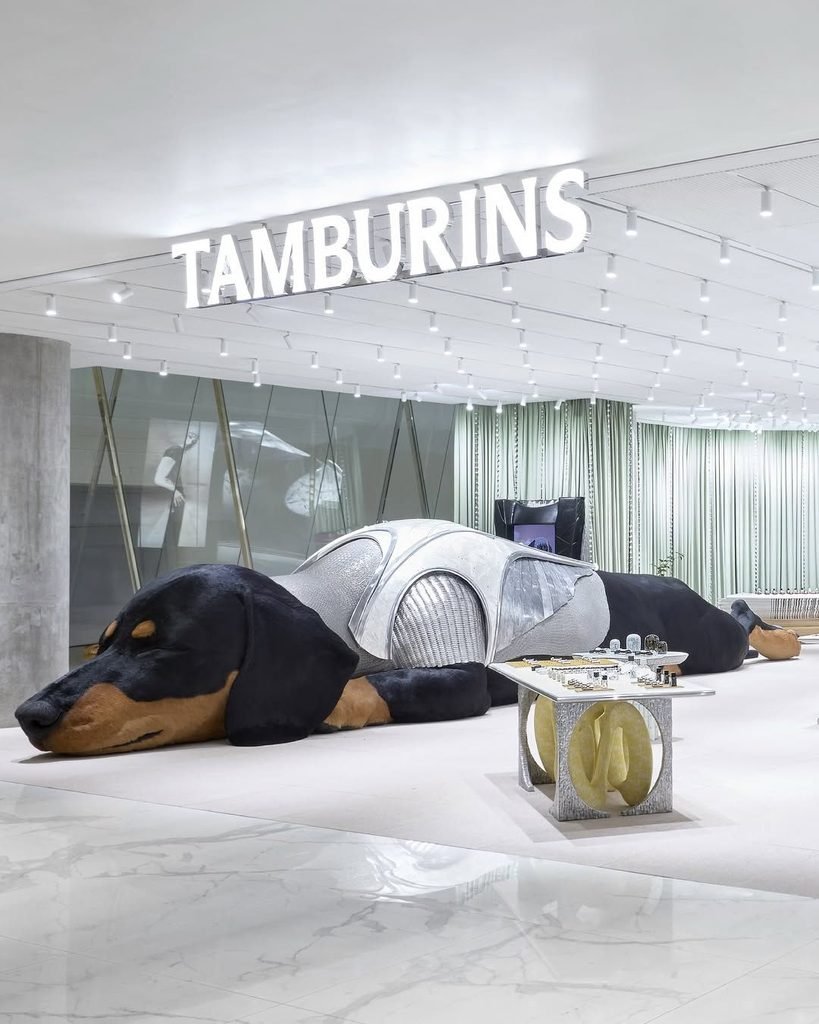 8
8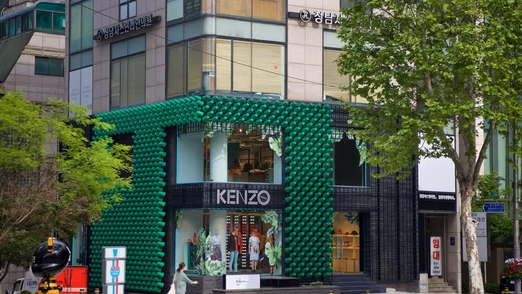
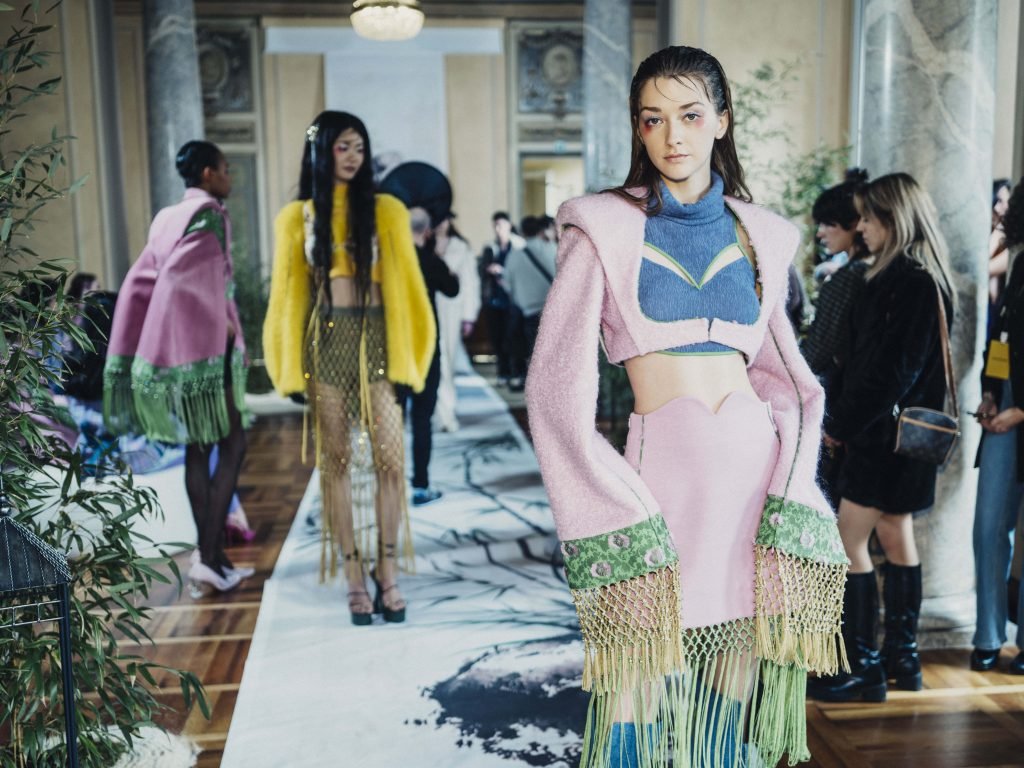
There are cities that follow fashion. There are cities that sell it. And then there’s Seoul, where fashion seems to happen almost everywhere at once , on the street outside a concept store in Seongsu, inside a luxury boutique in Cheongdam, at a café in Hannam, outside a Seoul Fashion Week show where the guests can be just as visually compelling as the collection they’ve come to see.
That’s what makes the city hard to define in a single sentence. It isn’t one aesthetic. It’s an attitude , and increasingly, it’s one the rest of the fashion industry has stopped treating as a curiosity and started treating as infrastructure.
SEOUL DOESN’T HAVE A UNIFORM
For years, international coverage of Korean fashion tended to flatten the country into a handful of familiar images: immaculate minimalism, oversized streetwear, K-pop idols in luxury campaigns.
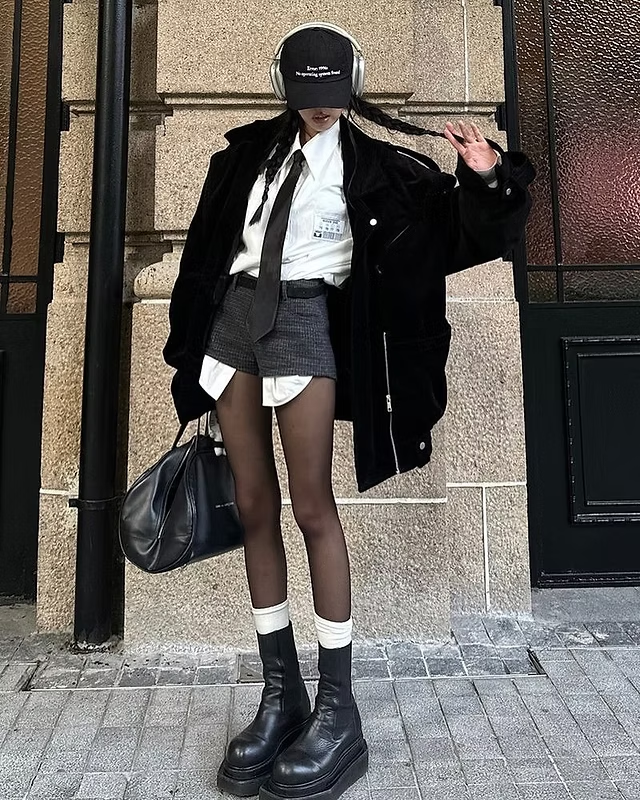
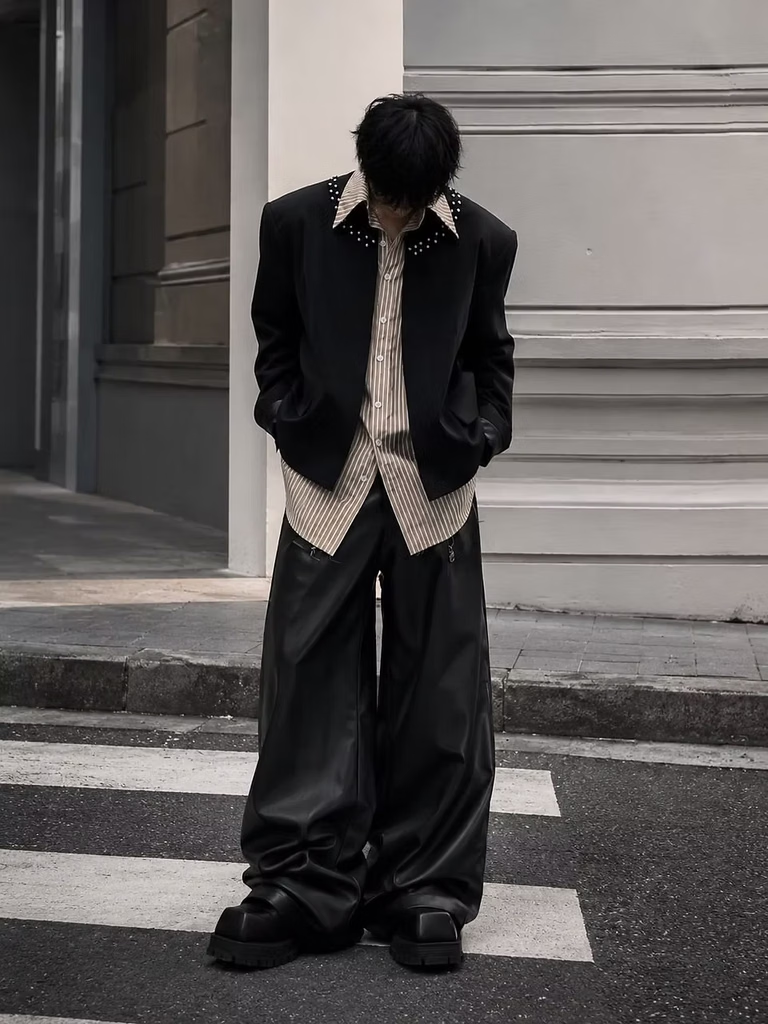
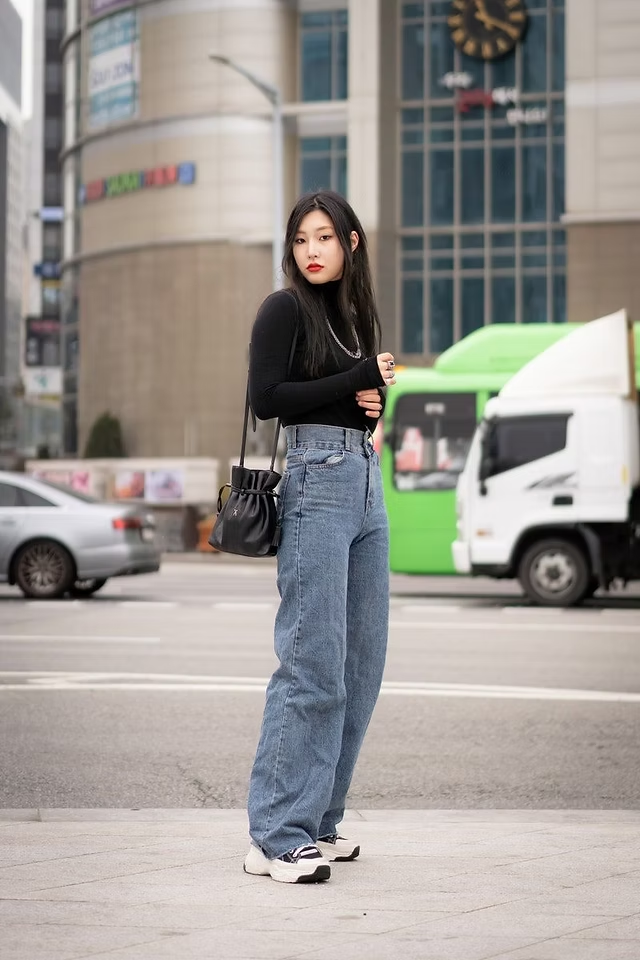
All of those things genuinely exist. None of them tell the whole story. Walk through the city and the contradictions are obvious , a sharply tailored coat worn with running shoes, vintage sitting next to designer luxury, a completely monochrome outfit transformed by one exaggerated accessory. The interesting part was never any single combination. It’s the sheer willingness to combine things that, on paper, shouldn’t belong together.
THE CITY IS THE MOOD BOARD
This is where Seoul differs from how fashion capitals usually get described. Paris has its heritage. Milan has its craftsmanship. London has its subcultures. New York has its scale. Seoul’s identity is harder to pin down in one sentence precisely because it keeps moving , intensely contemporary, but never fully disconnected from its own history. Traditional hanok neighbourhoods sit inside a hyper-connected metropolis; old markets coexist with some of the most technologically advanced retail spaces on earth. A designer here doesn’t necessarily have to choose between tradition and technology, tailoring and streetwear, local reference and global influence. They can simply put them in the same room.
SEONGSU CHANGED THE CONVERSATION
If you want physical proof of how fast this has moved, look at Seongsu. The neighbourhood spent most of the twentieth century as an industrial district, known through the late 1990s mainly as the centre of Korea’s footwear manufacturing , small factories, shoemakers, warehouses. It only began its shift into a cultural destination in the 2010s, as those same factory buildings got repurposed into cafés, galleries and concept stores. The scale of that transformation shows up clearly in the transit numbers: Seongsu Station saw over 30 million passenger entries in 2024, up from 18.5 million a decade earlier , a 57% jump, according to Seoul Metropolitan Subway data. Luxury brands have started treating the district as an active testing ground rather than a novelty detour , Chanel, Nike, Adidas Originals and Saint Laurent Beauty have all staged activations there, and industry tracking puts the number of pop-up stores across Seoul in 2025 at more than 3,000, an almost 80% jump year-over-year, with Seongsu absorbing the highest concentration of any single district.
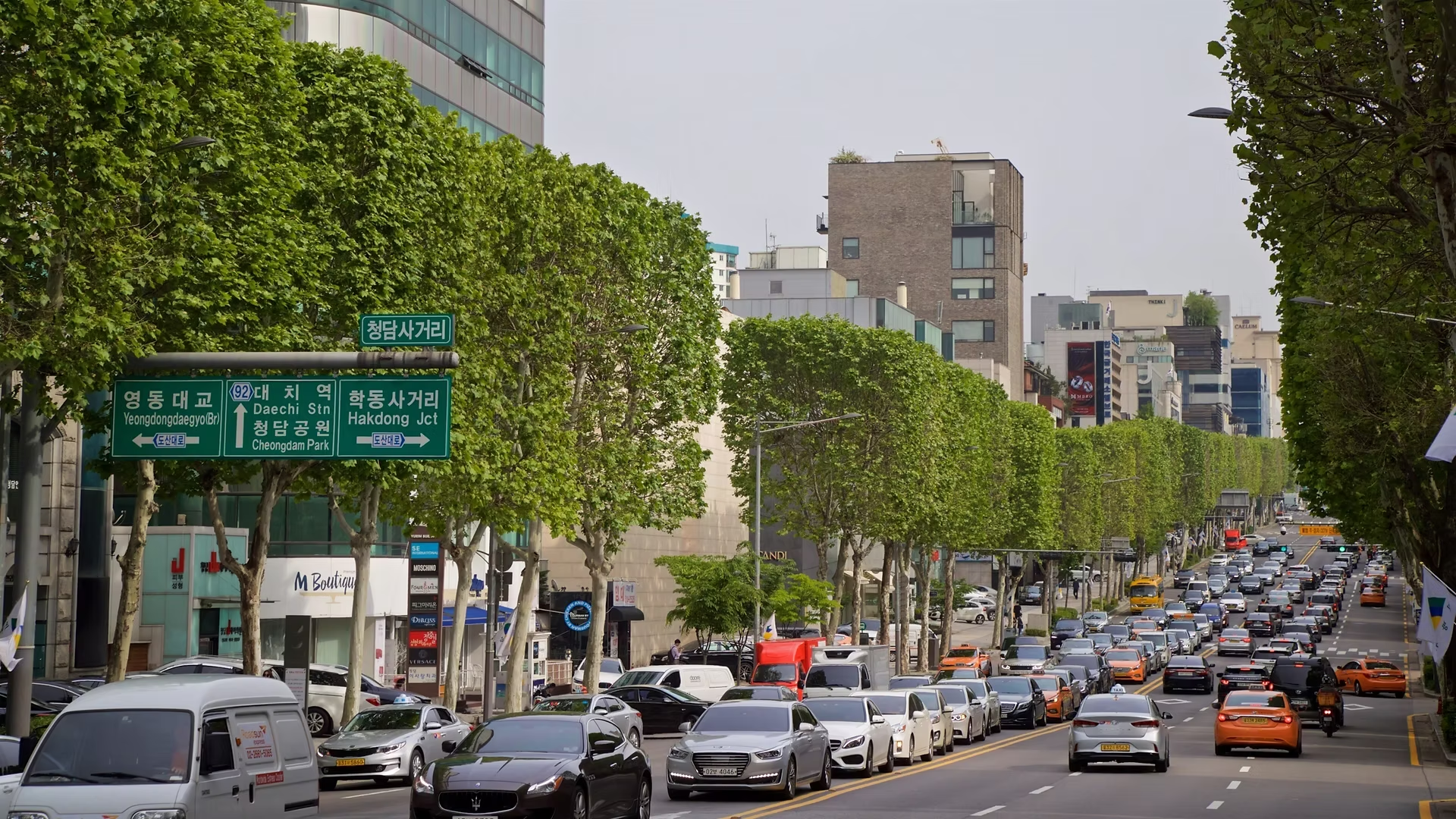
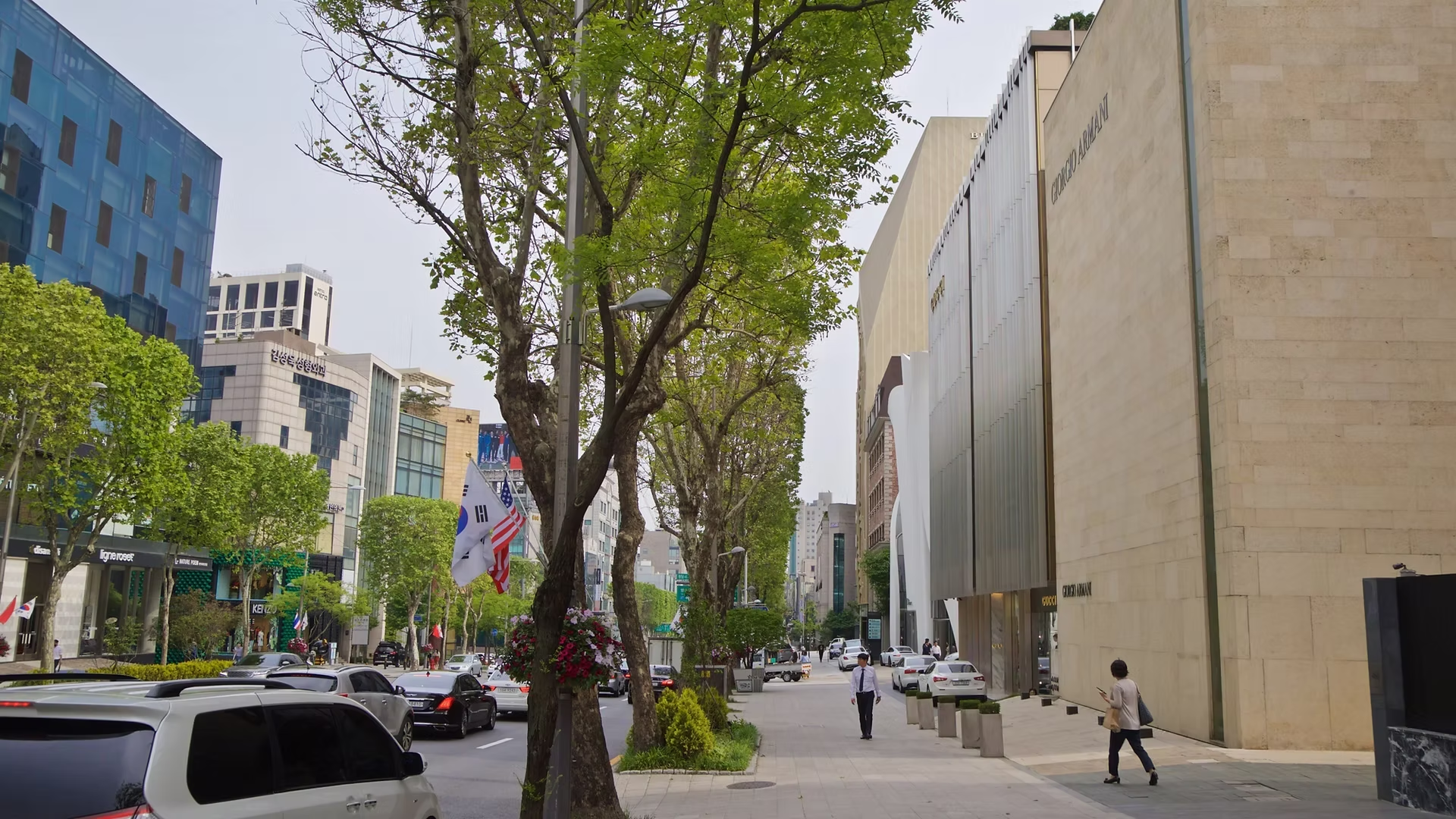
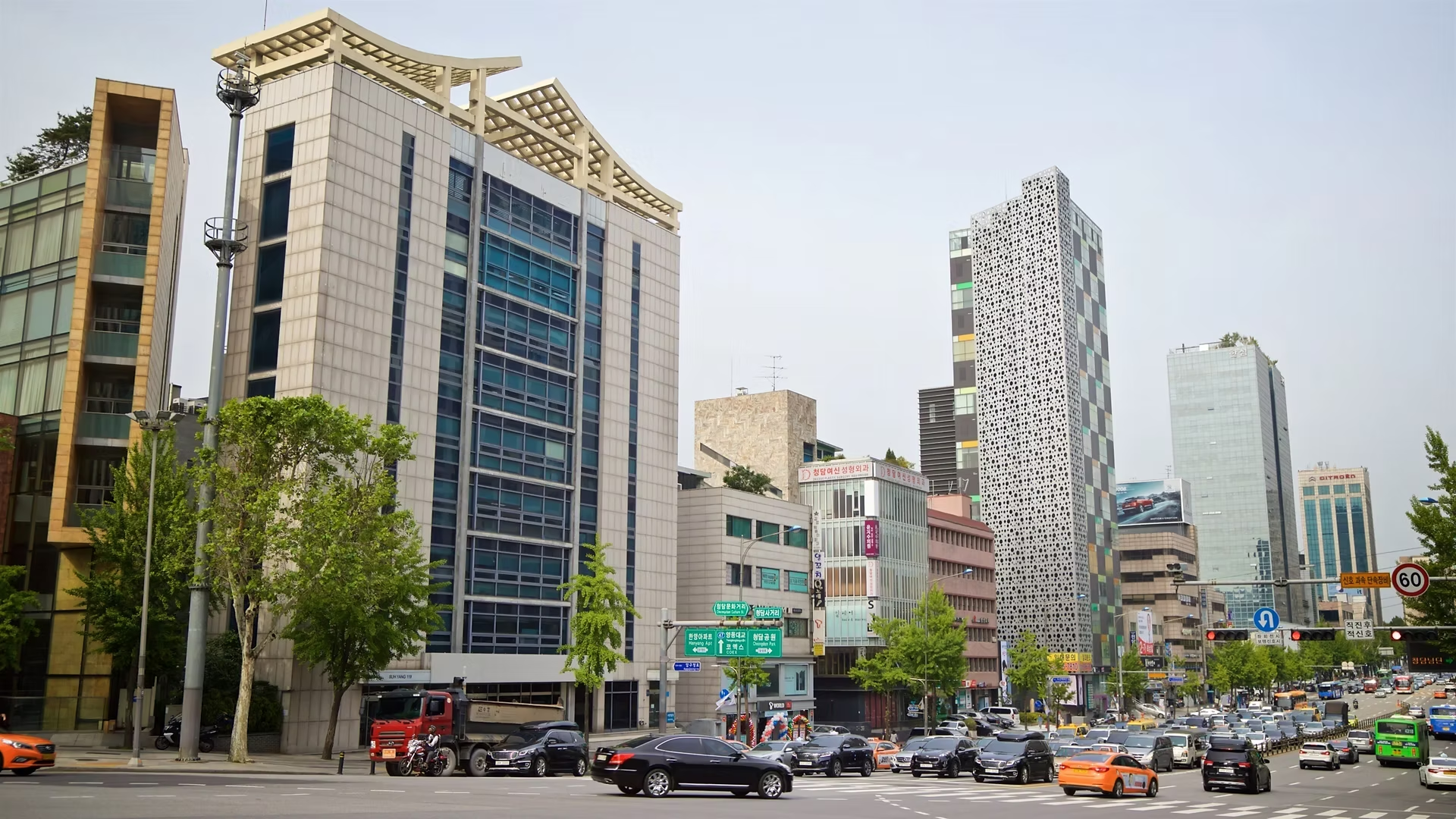
That’s alongside the rest of the city’s established fashion geography: Cheongdam and Apgujeong forming the traditional luxury corridor of heritage department stores and designer boutiques, Hongdae running as the youth streetwear hub near the university, Myeongdong anchoring the tourist-facing mass market. Korean fashion isn’t being discovered through the runway alone. It’s being discovered neighbourhood by neighbourhood, pop-up by pop-up , retail itself has become part of the brand identity, not a delivery mechanism for it.
THE K-POP DISTRIBUTION SYSTEM NOBODY ELSE HAS
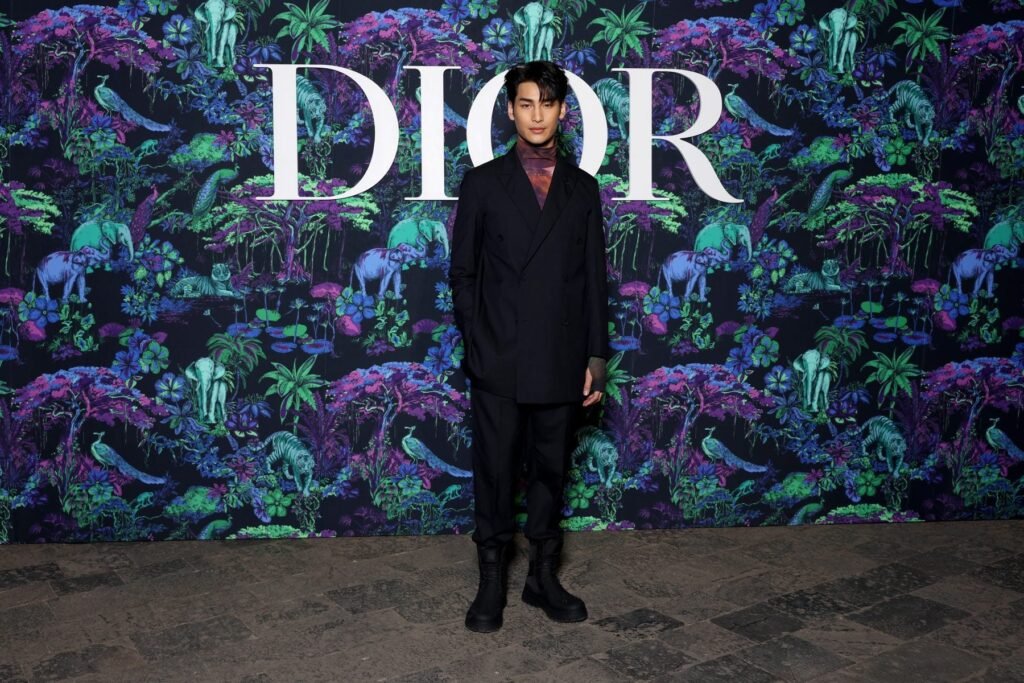
It would be impossible to talk seriously about contemporary Korean fashion without talking about K-pop’s role in actually moving it around the world, and the relationship is more specific than “idols make clothes popular.” During the 2026 Spring/Summer fashion week season, BTS alone generated an estimated $39.26 million in earned media value across New York, Milan and Paris, according to influencer marketing platform Lefty’s data , with individual members landing directly inside the top ten most-valuable influencers at both Milan and Paris that season. That’s not incidental exposure. RM, Jin, Jimin, V and Jungkook attended those shows specifically as global ambassadors for the houses involved, meaning Korean celebrities aren’t simply wearing luxury brands anymore , they’re functioning as a genuine part of how those brands communicate internationally, on a scale traditional advertising increasingly can’t match.
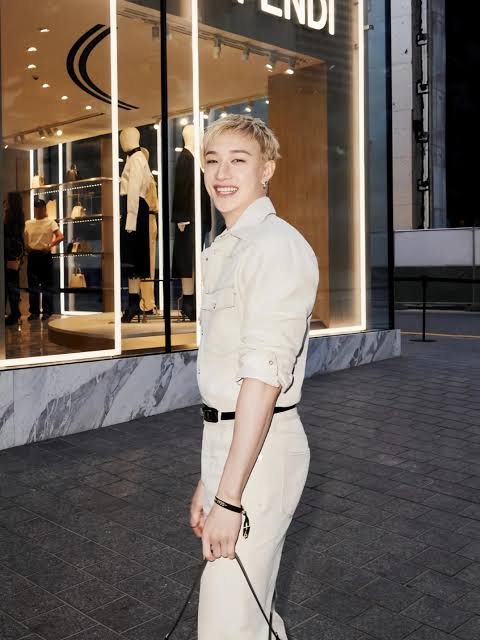
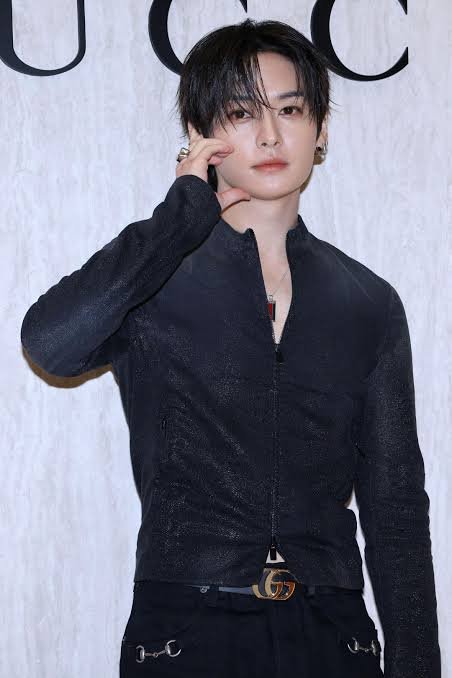
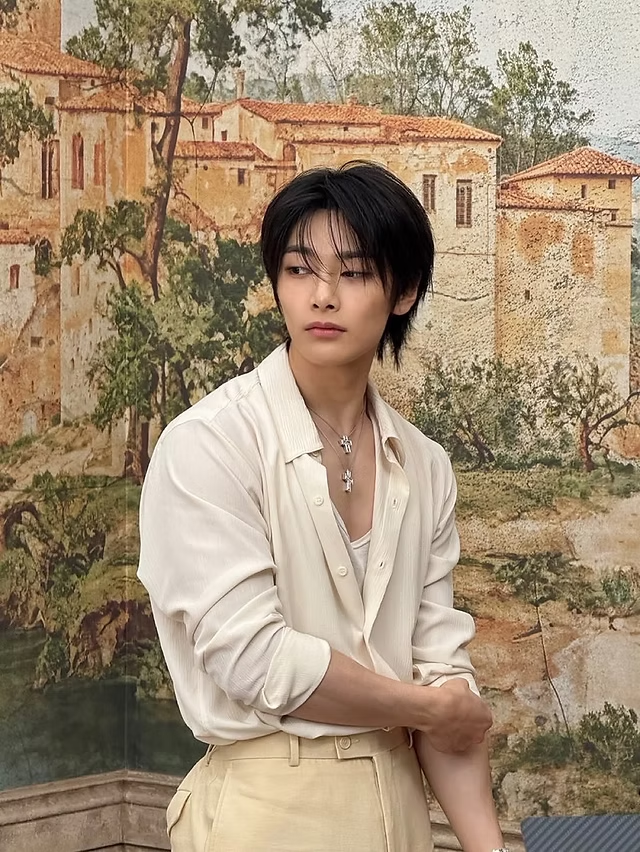
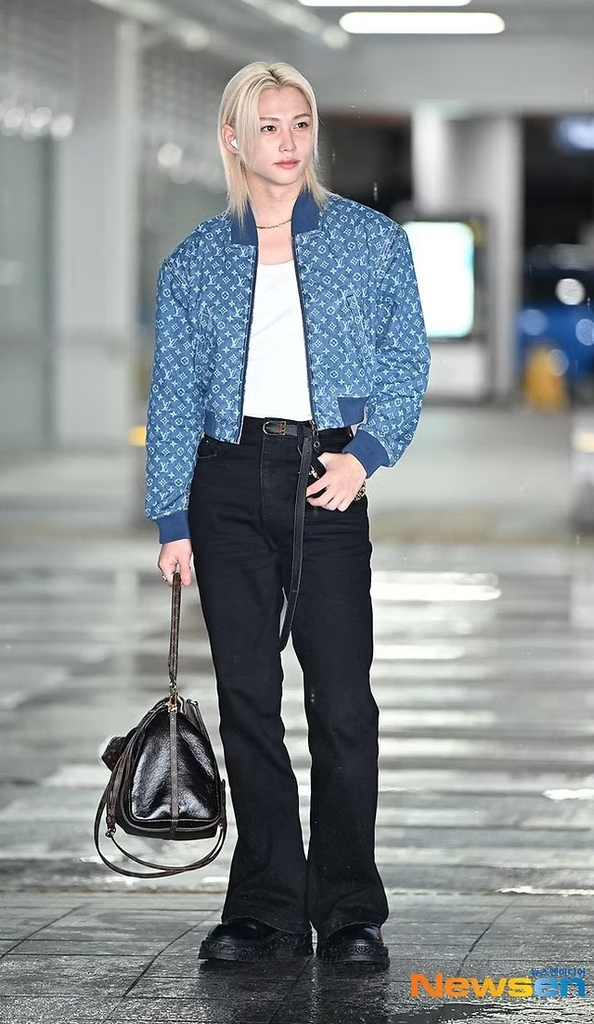
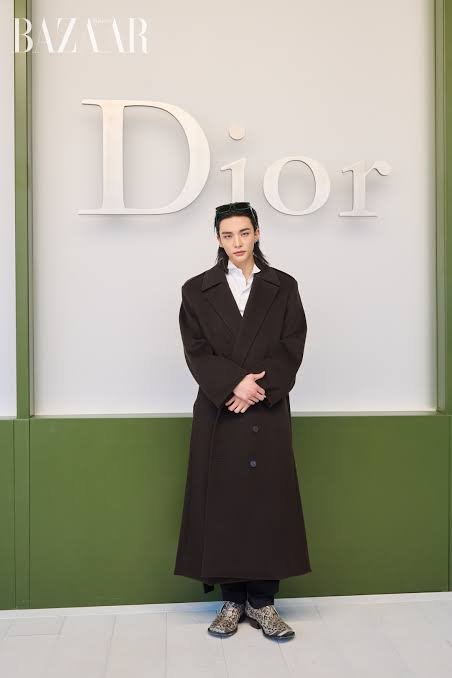
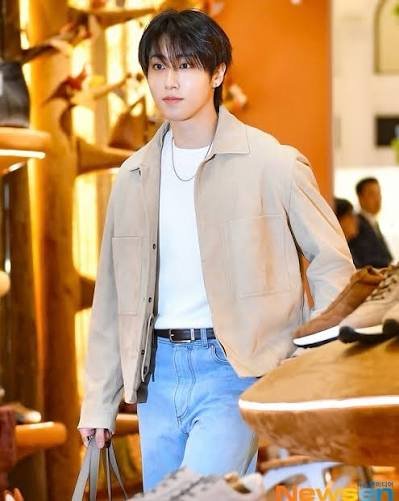
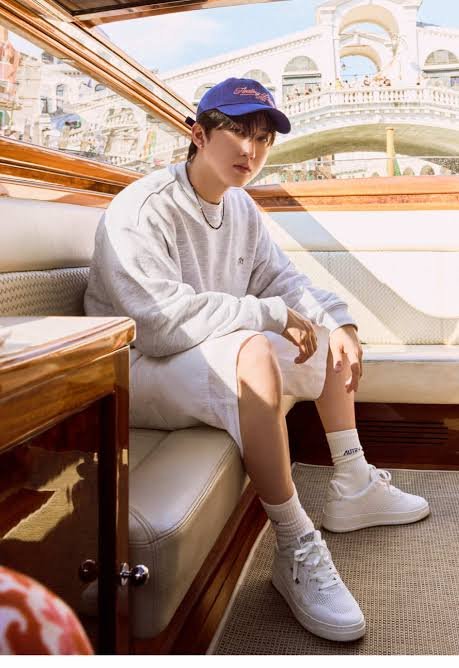
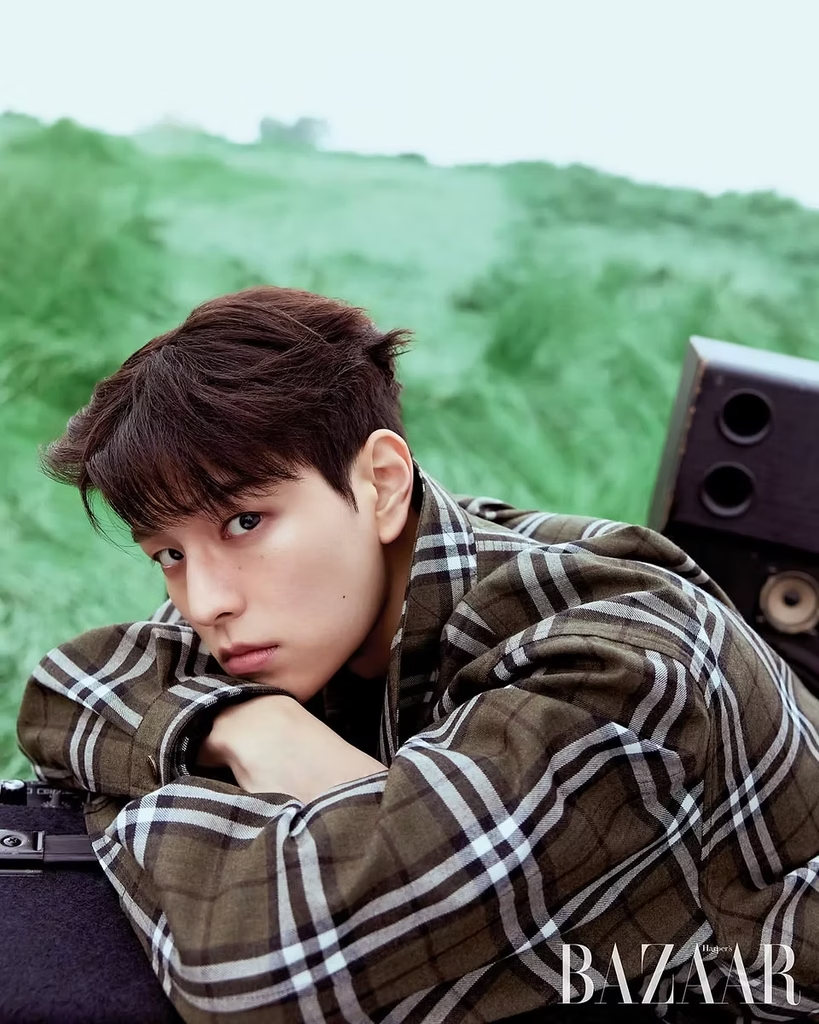
Luxury has responded accordingly. In April 2023, Louis Vuitton staged its Pre-Fall show directly on Seoul’s Jamsugyo Bridge over the Han River , its first show ever held in South Korea , drawing an audience that mixed Girls’ Generation’s Taeyeon, members of Le Sserafim, ITZY’s Yeji, Chloë Grace Moretz and Squid Game director Hwang Dong-hyuk in the same seats. Lie Sang-bong, the veteran Korean designer and former head of the Council of Fashion Designers of Korea, has described the underlying shift plainly: global luxury firms have realised that what becomes popular in South Korea tends to spread across the rest of Asia soon after, which is why brands that once anchored their regional business in Hong Kong or Singapore began actively repositioning around Seoul instead.
THE RUNWAY IS ONLY HALF THE STORY
This is part of why Seoul Fashion Week itself reads differently than it did a decade ago. The event has deliberately built out its trade infrastructure alongside its runway calendar , its most recent Fall/Winter edition generated $7.54 million in order consultations, with 99 international buyers attending from 23 countries, according to figures released by the Seoul Metropolitan Government.

That’s a genuine shift from a domestic cultural event into working international infrastructure: buyers arriving specifically to place orders, not just press arriving to file a trend report.
SEOUL’S REAL TALENT IS EDITING
Perhaps the clearest way to understand what Korean fashion is actually good at is through the idea of editing rather than invention. The city doesn’t necessarily need to originate every ingredient in its own fashion language. It takes something familiar , a classic blazer, a traditional architectural motif, a piece of Western sportswear, a school-uniform silhouette , and changes the context around it until it reads as something else entirely. A celebrity becomes a genuine stylistic reference rather than just a paid ambassador. A converted shoe factory becomes a five-story beauty and fashion destination pulling thirty million subway riders a year. None of the individual pieces are necessarily revolutionary on their own. The combination, run at this speed and scale, consistently is.
IT ISN’T TRYING TO BECOME PARIS
Maybe that’s the most important point of all. Seoul doesn’t need to become the next Paris, or imitate Milan, or prove its designers can operate like century-old European maisons. Its strength comes from having built a fashion culture that runs on its own rhythm entirely , fast but increasingly sophisticated, commercial but genuinely creative, digital-native but still deeply visual, global while staying unmistakably local. The city isn’t especially interested in settling what fashion is supposed to be. It’s more interested in what happens when very different things are simply allowed to exist in the same frame.
That’s probably why the fashion world has started paying such close attention to how Seoul thinks, rather than just what Seoul wears. The way it mixes. The way it edits. The way an entire industry can make a new silhouette feel inevitable before most people have even clocked they’re looking at a trend at all.