 111
111 2
2 3
3 4
4 5
5 6
6 7
7 8
8 For over four decades, it has functioned less like a traditional beauty company and more like a cultural infrastructure, one that connects fashion, music, subculture, and identity through pigment.
MAC didn’t enter the industry to compete. It entered to correct it.
And in doing so, it redefined what makeup could be: not decorative, but declarative.
MAC’s beginnings are often simplified, but the reality is more precise.
Founded in Toronto in 1984 by Frank Toskan and Frank Angelo, the brand emerged from a very specific frustration: makeup did not perform under photographic conditions.
Studio lighting washed out color. Skin tones collapsed into flatness. Lipsticks disappeared on camera.
So they did something radical, they built makeup not for consumers, but for image-making.
The first products were sold in black pots, often hand-filled, distributed directly to makeup artists and insiders.
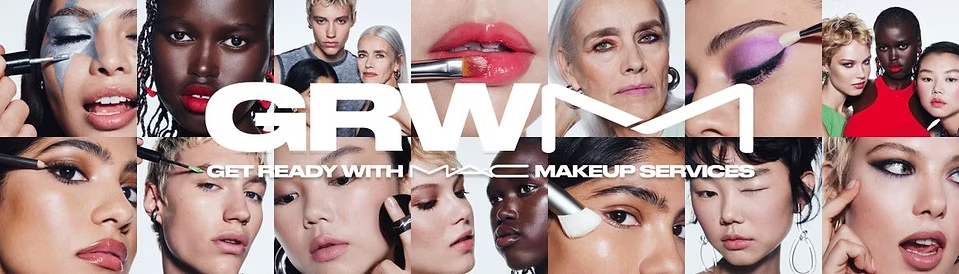
Before “branding” became a strategy, MAC understood visual identity instinctively.
The black packaging (now iconic) wasn’t about luxury in the traditional sense. It was about neutrality. A blank stage. A refusal to align with the pastel femininity dominating beauty at the time.
Walking into a MAC store even today feels deliberate:
It mirrors backstage environments.It tells you immediately: this is a place of work.
And that positioning ( professional first, consumer second ) is what gave MAC its authority.
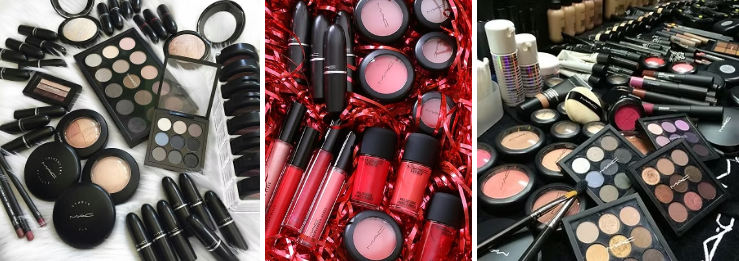
MAC doesn’t just produce colors, it assigns them meaning.
Take Ruby Woo.Technically, it’s a blue-based matte red. But culturally, it’s something else entirely: discipline, precision, impact. It is notoriously dry, almost difficult to wear, and that’s part of its identity. It demands commitment.
Then there’s Velvet Teddy. A muted beige with a warm undertone that became synonymous with 2010s beauty. Worn by figures like Kylie Jenner, it helped define the “modern nude”, structured, contoured, intentionally neutral.
And Spice, arguably one of the most influential liners ever created, built the entire architecture of the 90s lip: darker outline, lighter center, controlled contrast.
MAC shades don’t follow trends.They create templates that others replicate.
When MAC launched Viva Glam in 1994, it didn’t just introduce a product—it introduced a new model for beauty.
The concept was simple but unprecedented:100% of the selling price would go to HIV/AIDS causes.
But what made Viva Glam revolutionary wasn’t just the philanthropy, it was the casting.
The first face? RuPaul .At a time when drag culture was far from mainstream, this was not just bold, it was disruptive.
Over the years, Viva Glam became a rotating platform for artists who represented transformation:
These weren’t generic shades with celebrity names attached.They were extensions of each artist’s
identity.
While Viva Glam focused on philanthropy, MAC’s broader collaborations explored full creative direction.
The face that started it all.
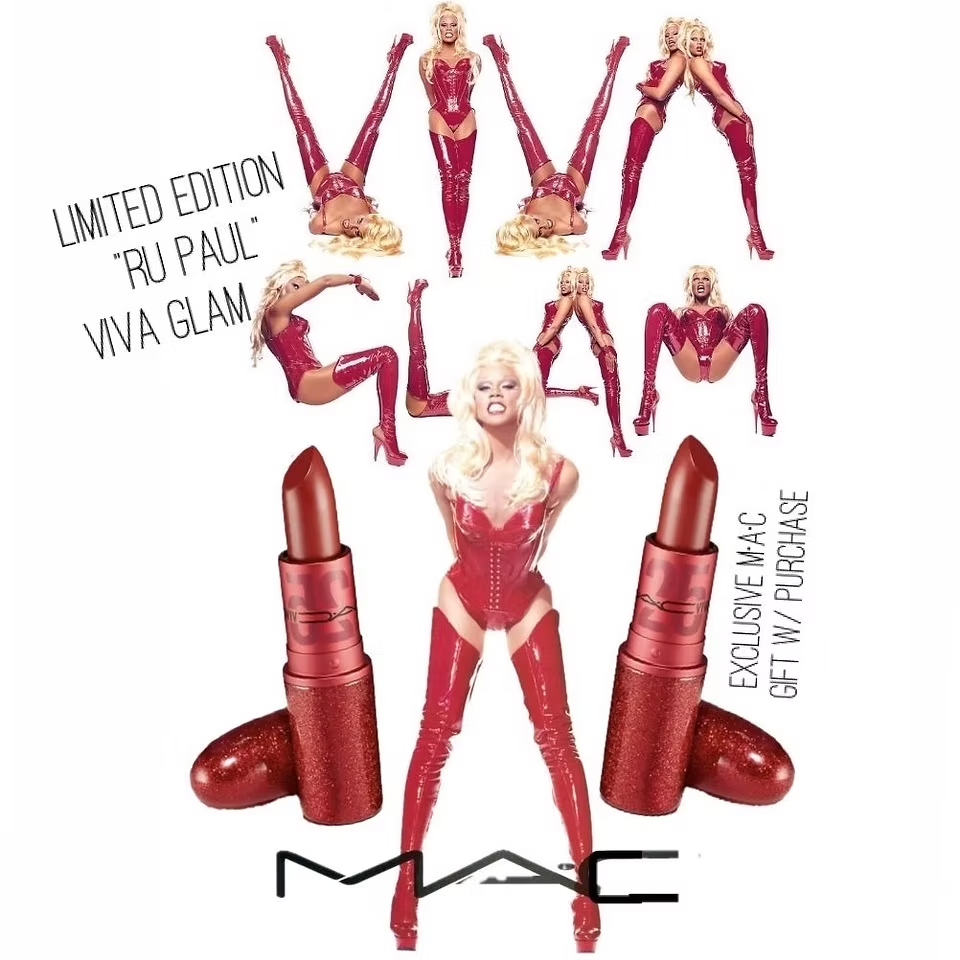
When MAC launched Viva Glam in 1994, choosing RuPaul as its first ambassador was a radical cultural statement. At a time when drag was far from mainstream visibility, this wasn’t just a campaign—it was a declaration of intent.
The original Viva Glam lipstick was a deep, blue-based red with a satin finish—bold, classic, and unapologetically glamorous. A shade designed not to blend in, but to command presence.
More than a product, it established the tone for everything that followed:
RuPaul didn’t just front the campaign, he defined it.
Before Fenty Beauty, Rihanna’s relationship with MAC was already redefining the industry.
Her collection expanded beyond a single lipstick into a full range:
The drop model, limited releases that sold out instantly, anticipated the modern hype-driven beauty cycle.
Unlike Rihanna’s expansion, Gaga’s collections were conceptually restrained:
Unexpectedly subtle, they reflected a specific moment in her aesthetic, less costume, more control.
Nicki’s shades were intentionally disruptive:
These weren’t safe choices,they were statements about visibility.
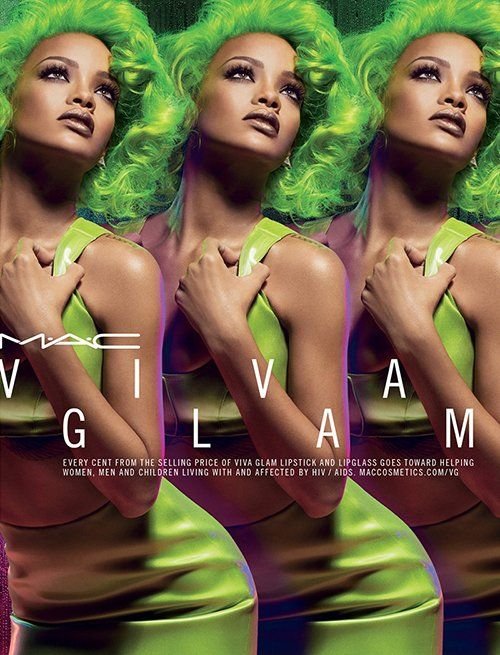
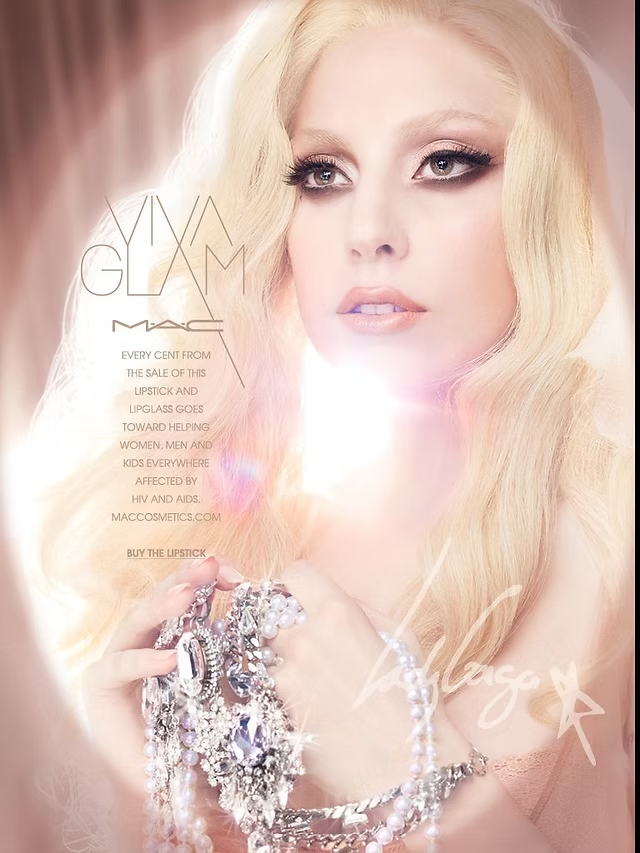
Viva Glam redefined beauty with one radical idea: every cent from every lipstick would leave the brand entirely, redirected to support women, girls, and those living with or affected by HIV/AIDS across the globe.
MAC’s influence in fashion is often underestimated because it operates backstage.
From New York Fashion Week to Paris and Milan, MAC artists are responsible for translating designers’ concepts into skin.
This is where the brand’s philosophy becomes clear:
Unlike consumer beauty brands, MAC doesn’t adapt to runway trends.It helps create them.
MAC’s inclusivity wasn’t introduced, it was foundational.
Before “shade ranges” became competitive marketing, MAC already offered:
It didn’t label itself inclusive.It simply operated that way.
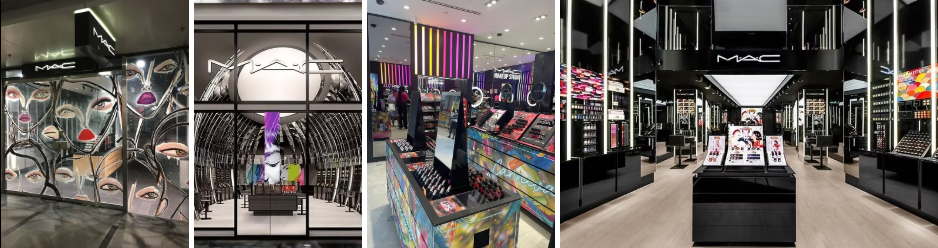
MAC stores have resisted the shift toward “soft beauty retail.”
There are no pastel tones. No wellness language. No over-explaining.
Instead:
It’s closer to a studio than a boutique.
And that’s the point.
In a landscape dominated by influencer brands and rapid launches, MAC remains unusually stable.
Not because it resists change, but because its foundation is strong enough to absorb it.
It exists at a unique intersection:
Most brands choose one, MAC operates in all three.
MAC Cosmetics has never been about making people look better.
It has always been about making people look like themselves, more defined, more intentional, more visible.
And in an industry that constantly reinvents beauty, that clarity is rare.
MAC doesn’t tell you what beauty is, It gives you the tools to decide.
All images featured in this article are credited to owners . They are used for editorial and illustrative purposes only, with no commercial intent. All rights remain with their respective owners.