 111
111 2
2 3
3 4
4 5
5 6
6 7
7 8
8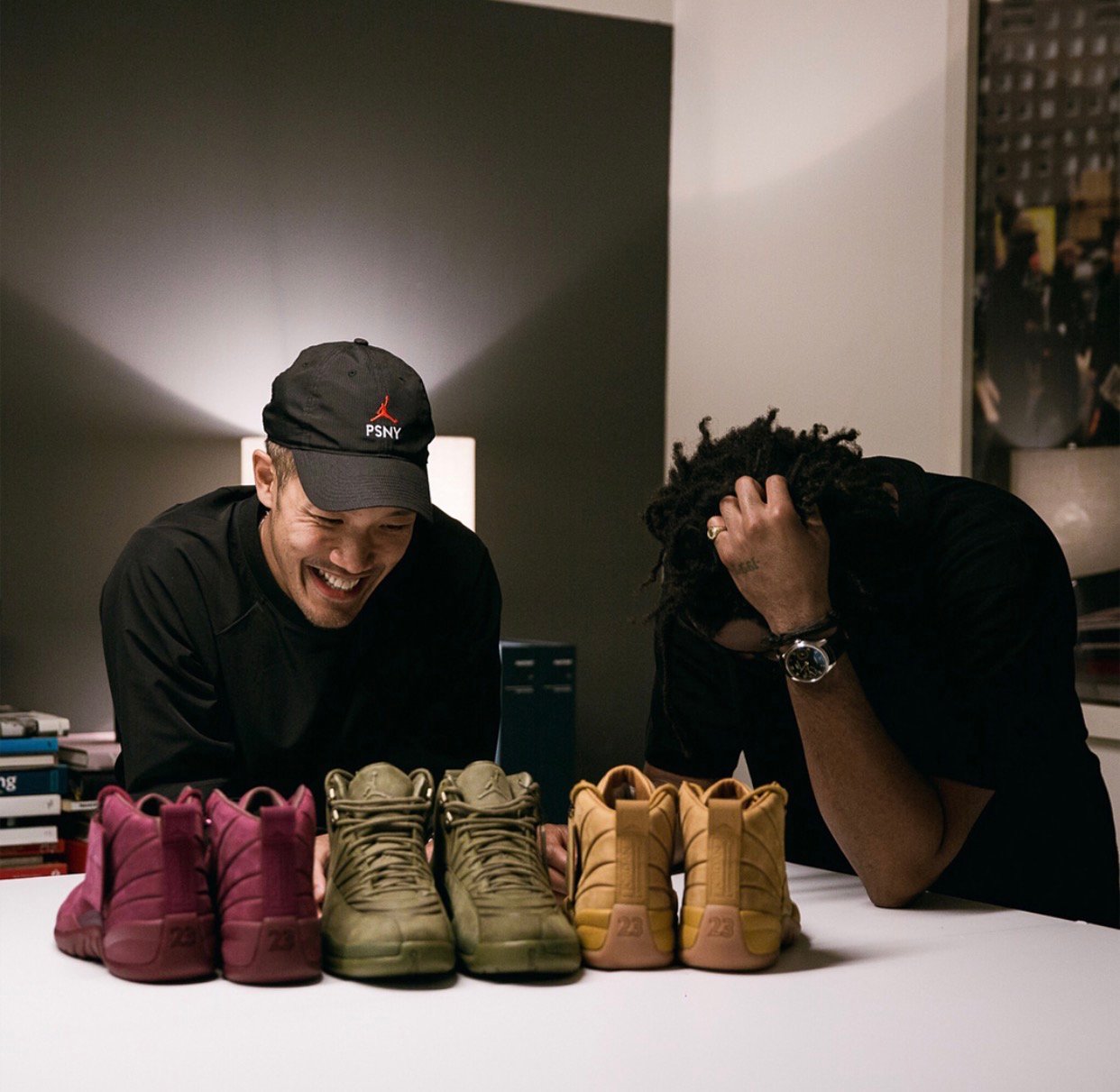
From the Crucible of Sean John and the Garment District to CFDA Glory, the Jordan Brand Grail Era, and Their Triumphant FW26 New York Fashion Week Return: How Dao-Yi Chow and Maxwell Osborne Defined the Subversive Monochromatic Language of Modern Menswear.
To comprehend Public School New York (PSNY) is to understand the unvarnished, restless cadence of New York City itself. Long before luxury houses commodified sportswear on Parisian runways, founders Dao-Yi Chow and Maxwell Osborne—both native New Yorkers born and raised in the city’s public school system, were quietly forging a new design vocabulary at the intersection of hip-hop culture, European structural tailoring, and utilitarian street style.
The duo’s formal fashion education did not begin within traditional design ateliers, but in the fast-paced, high-stakes corporate environment of Sean John, the urban menswear empire founded by Sean Combs. Chow served as the label’s Creative Director, while Osborne rose through the ranks as Director of Design. Working inside a major commercial brand provided them with an intimate understanding of garment construction, global supply chains, and the cultural resonance of street culture. However, it also exposed the limitations of mass-market urban apparel.
In 2008, Chow and Osborne stepped away to establish Public School. Their founding thesis was simple yet radical for its era: elevate the vocabulary of streetwear through high-grade fabrications, precise tailoring, and local craftsmanship. Crucially, Chow and Osborne made an uncompromising commitment to keep 100% of their pattern-making, sampling, and production within New York City’s historic Garment District, working directly alongside master tailors and skilled garment workers. Embracing a design mantra of “finding perfection in imperfection,” Public School rejected the loud logos of 2000s logomania, introducing a restrained, monochromatic palette centered on shade gradations of black, charcoal, navy, and optic white.
By 2010, Public School’s sharp, dark aesthetic caught the attention of the American fashion establishment. The brand was selected as the sole menswear label for the inaugural CFDA {Fashion Incubator} business program. Over the next four years, Chow and Osborne orchestrated one of the most decorated runs in modern American fashion history:
Rather than relying on superficial embellishments, Public School redefined the tailoring silhouette. Their signature coat cuts featured drop-shoulders, elongated hemlines, asymmetric zip closures, and raw-edge trims, combining Italian, Japanese, and American textiles with a distinctly New Yorker attitude.
By 2015, Public School’s commercial and critical momentum reached an inflection point, leading to two defining partnerships that shaped 2010s fashion culture:
In April 2015, luxury conglomerate LVMH appointed Chow and Osborne as co-creative directors of DKNY (Donna Karan New York). Tasked with modernizing Donna Karan’s iconic heritage brand for a new generation, the duo brought their signature sharp, urban minimalism to the house, reinterpreting pinstripe suits, oversized poplin shirt-dresses, and technical outerwear. They held the position until December 2016, departing when LVMH sold Donna Karan International to G-III Apparel Group.
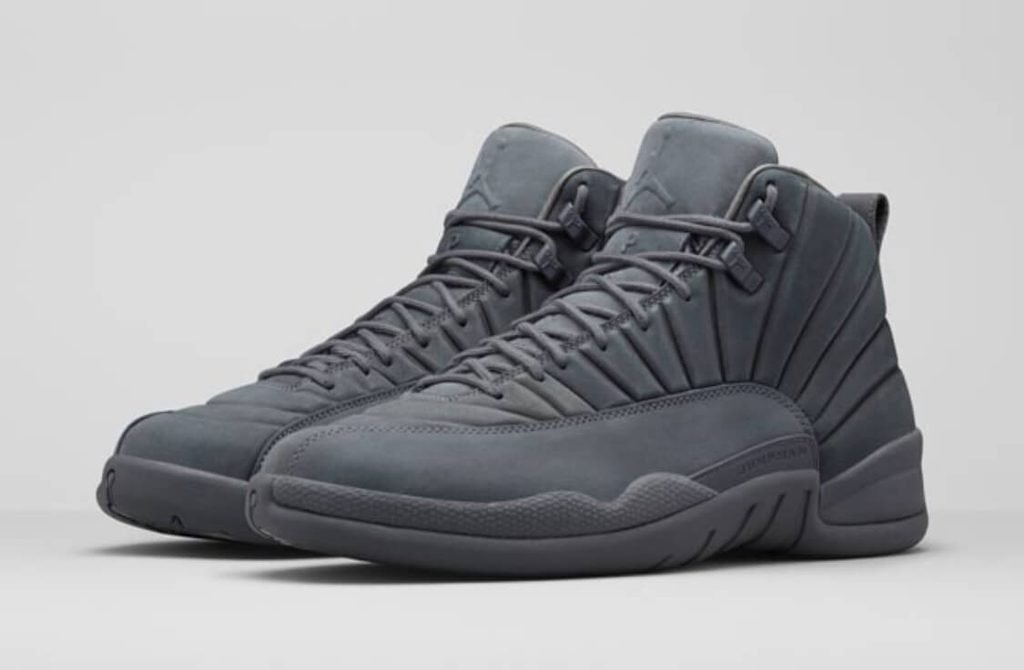
Simultaneously, Public School entered a multi-year partnership with Jordan Brand, producing what sneaker historians consider some of the most influential collaborative footwear in Jordan history:

By late 2017, despite peak commercial visibility, Chow and Osborne began questioning the relentless pace of fashion’s traditional seasonal calendar. Recognizing that the rapid production cycle contradicted their core values of intentionality and local craftsmanship, Public School stepped off the traditional NYFW runway schedule in 2018.
This hiatus transformed into an era of deep systemic experimentation. The designers pivoted toward circular economics and sustainable design practices, launching initiatives such as WTR (Waste Twice Recycled) and Version 2.0. They explored zero-waste pattern-making, upcycled deadstock military textiles, utilized biodegradable fabrics, and experimented with micro-localized manufacturing models. Rather than producing disposable trend items, Public School dedicated several years to developing closed-loop garment production systems.
In February 2026, after a seven-year runway hiatus, Public School New York made a triumphant, highly emotional return to the New York Fashion Week calendar. Showcasing inside an intimate venue in Chelsea, Manhattan, Chow and Osborne presented their Fall/Winter 2026 collection to a crowded room of fashion editors, long-time supporters, and industry peers.
Described by the designers as an ideological homecoming, the FW26 runway collection represented an evolved synthesis of their past, present, and future:
Recommended Further Reading on Fashionable Kanvas
Monographic: Andersson Bell Made Seoul’s Contradictions Look Right
All images featured in this article are credited to owners . They are used for editorial and illustrative purposes only, with no commercial intent. All rights remain with their respective owners.