 111
111 2
2 3
3 4
4 5
5 6
6 7
7 8
8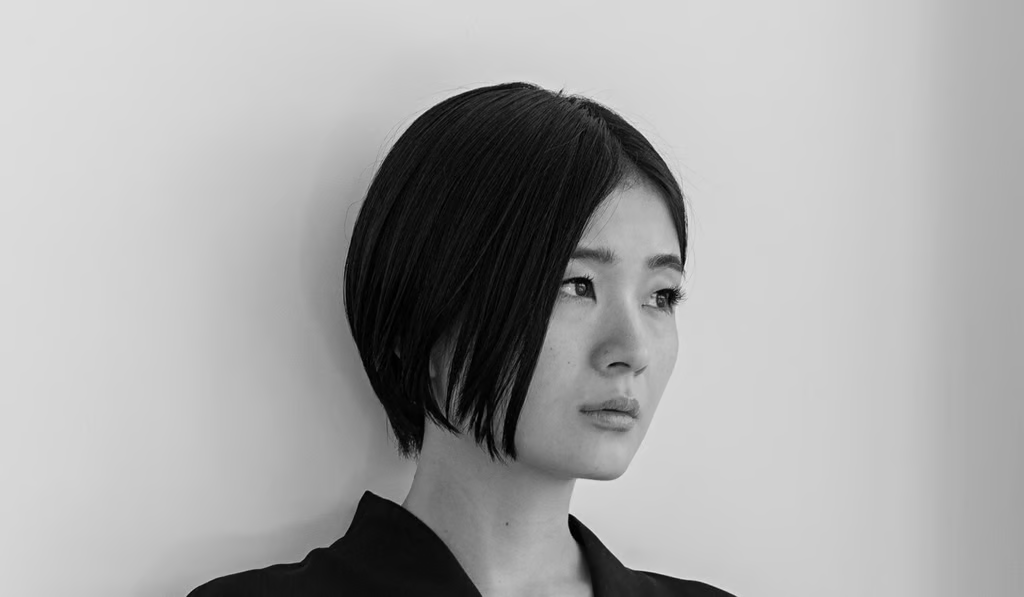
Long before her garments graced the official calendar of Paris Fashion Week, Maiko Kurogouchi was an observant child sketching princesses on the blank margins of local newspapers in Nagano, Japan. Born in 1985 amidst the dramatic alpine landscapes of central Japan, her early sensory worldview was formed by the stark contrast between intense natural beauty, snow-covered pine forests, mountain blossoms, and traditional timber architecture, and the quiet domestic intimacy of rural Japanese life.
A decisive turning point arrived in 1998. At thirteen years old, Kurogouchi came across a newspaper feature detailing Issey Miyake’s revolutionary A-POC (A Piece of Cloth) collection. The images of seamless, sculptural garments woven from a single thread struck her not merely as fashion, but as architectural magic. That single press clipping ignited a lifelong ambition: to understand the structural physics of textiles and to speak a design language rooted entirely in Japanese identity.
Moving to Tokyo, Kurogouchi enrolled at the world-renowned Bunka Fashion College, the incubator that previously trained Kenzo Takada, Yohji Yamamoto, and Junya Watanabe. Upon graduation, her exceptional talent caught the attention of the Issey Miyake Design Studio, where she was immediately brought into the fold.
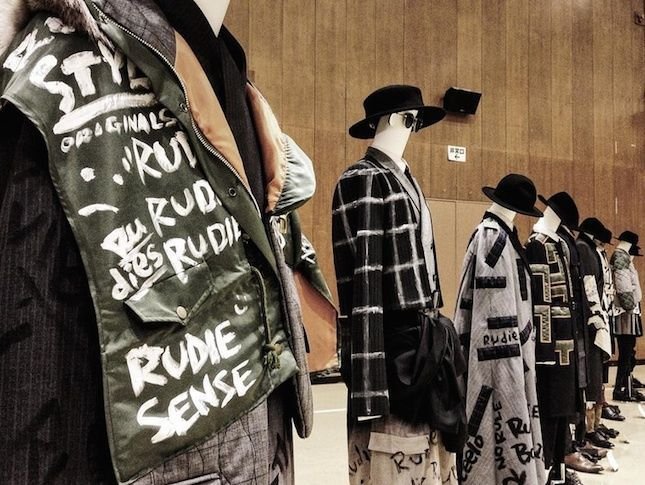
For three formative years, Kurogouchi worked directly under Issey Miyake, contributing to the main collection and learning the rigorous discipline of textile research and development. Miyake taught her two fundamental lessons that would define her career:
In 2010, at the age of twenty-five, Kurogouchi departed Miyake’s studio to establish her independent label, Mame Kurogouchi. The choice of the name was deeply personal: “Mame” (meaning bean in Japanese) was her childhood nickname, representing diligence, resilience, and organic growth from modest roots.
From its inception, Mame Kurogouchi operated as a form of autobiographical fashion. Kurogouchi rejects trend forecasting and mood boards. Instead, each collection originates from her personal travel journals, sketches, and pressed botanical specimens gathered during her frequent journeys across Japan’s rural prefectures. Her design process is a poetic translation of memory into cloth, converting the texture of a moss-covered temple stone, the reflection of rain on a shoji screen, or the delicate weave of a grandmother’s basket into complex textiles.
In an era dominated by industrial mass production, Mame Kurogouchi functions as a living archive for Japan’s endangered artisanal traditions. Kurogouchi personally travels to small weaving villages and rural workshops, collaborating directly with aging master craftsmen to keep centuries-old techniques alive:
Beyond high fashion runway pieces, Kurogouchi possesses a deep ergonomic empathy for the female form. Her silhouettes avoid constrictive boning or uncomfortable tailoring, favoring fluid lines, subtle drop-shoulders, and strategic cutouts that allow women to move with quiet strength and self-assurance. She describes her garments as “armor that helps women stand tall and confident in their daily lives.”
This philosophy reached millions of women worldwide through her acclaimed multi-season collaboration with global retail giant Uniqlo. Titled Uniqlo x Mame Kurogouchi, the collection treated innerwear and loungewear as wearable sculpture. By integrating Uniqlo’s technical AIRism and Heattech fabrics with Kurogouchi’s subtle earth-tone palettes, delicate ribbed textures, and sheer layering, she elevated everyday undergarments into sophisticated sartorial art.
Since making her Paris Fashion Week calendar debut in 2018, Kurogouchi has consistently delivered some of the most emotionally resonant presentations in French fashion.
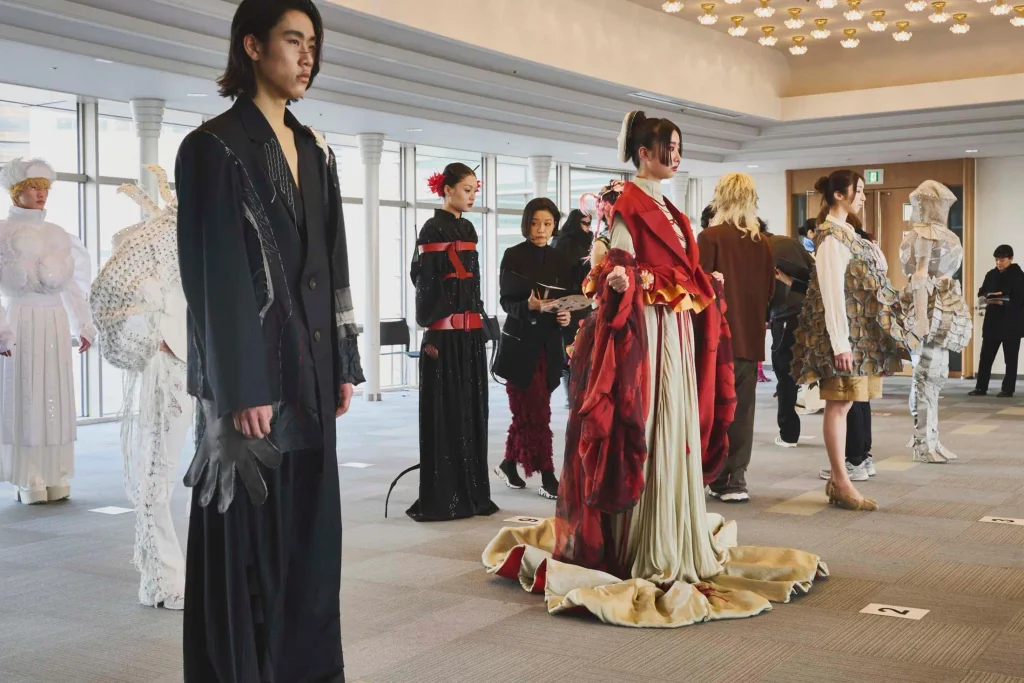
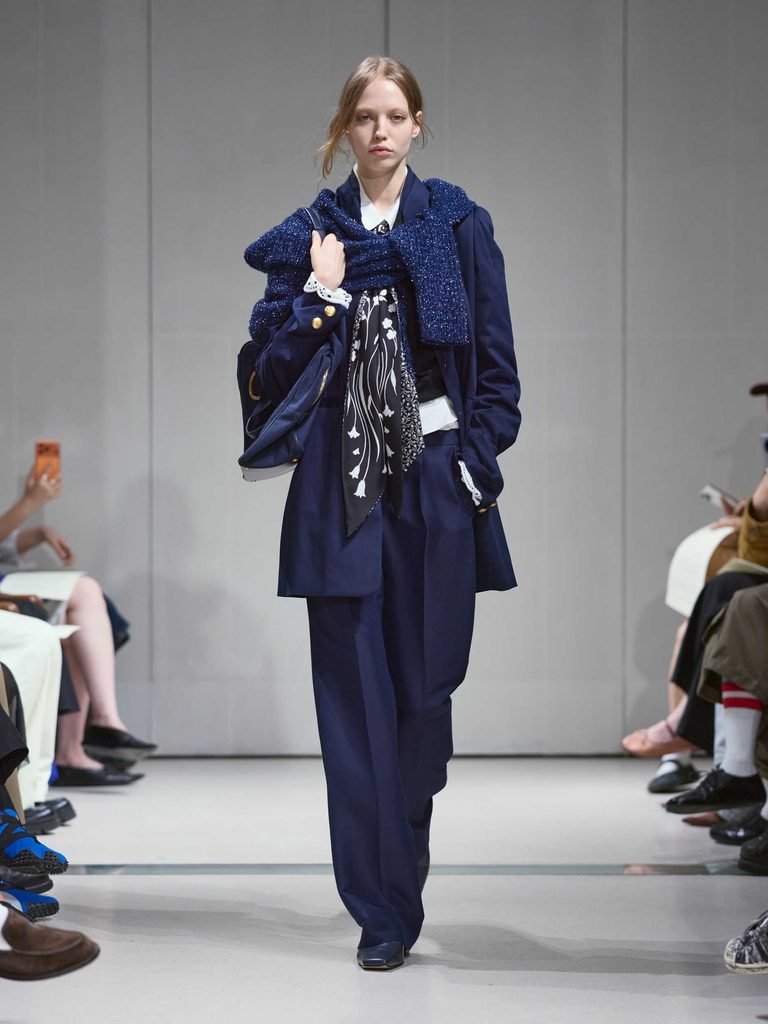
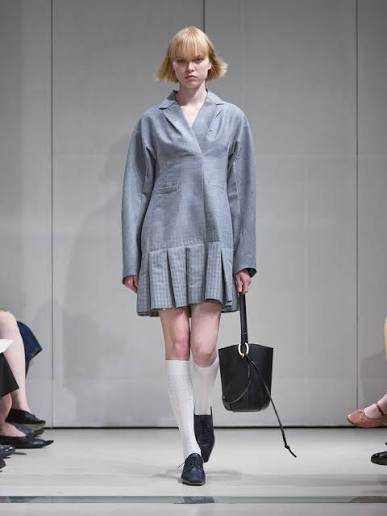
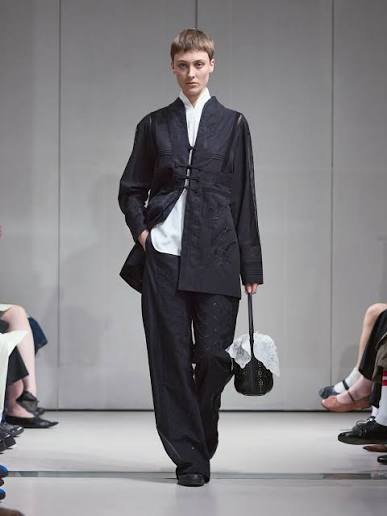
Her recent Spring/Summer 2027 collection, titled ‘Uniforms’, exemplified her mature mastery. The collection deconstructed traditional Japanese school uniforms and workwear through the classical philosophy of Utsushi, the traditional Japanese art practice of copying or reflecting a masterwork not out of imitation, but as a deep spiritual study to extract its essence. Reinterpreting pleated navy skirts, crisp white collars, and utilitarian aprons with delicate sheer organza, embossed jacquards, and hand-woven lace, the collection explored nostalgia, discipline, and the quiet beauty of everyday rituals.
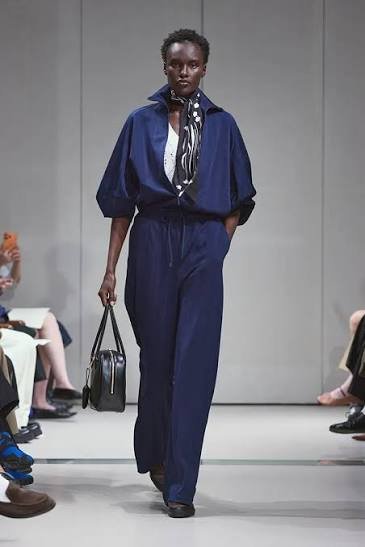
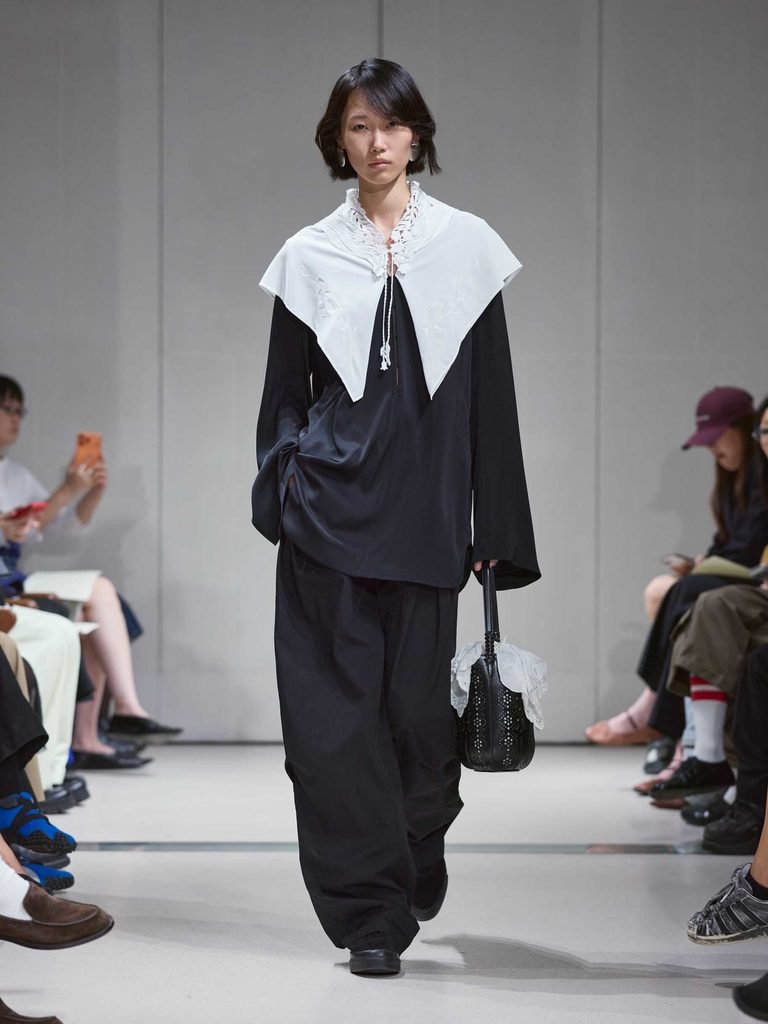
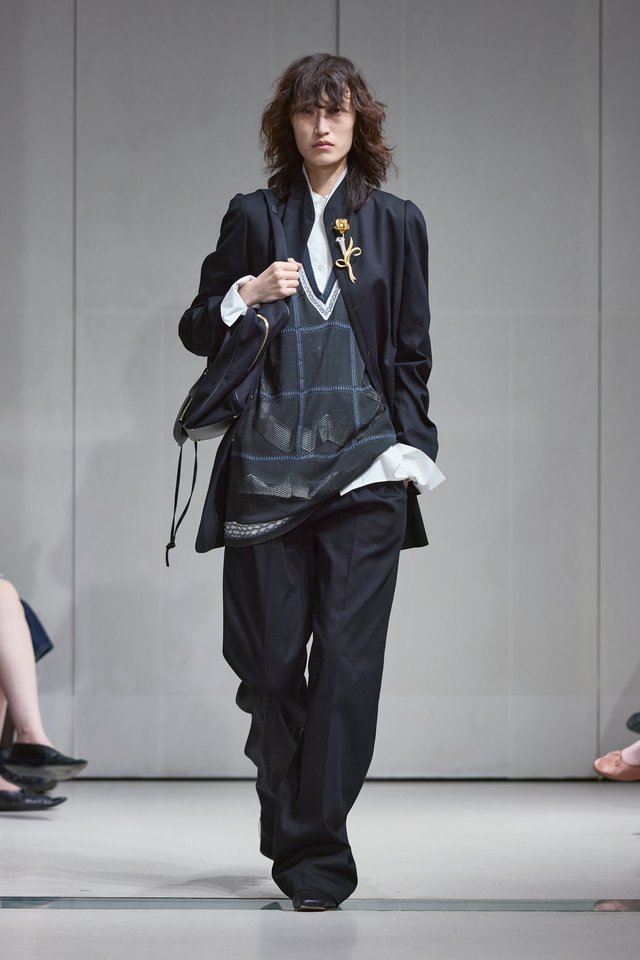
Maiko Kurogouchi represents the pinnacle of modern Japanese luxury: a designer who honors the past without being trapped by it, and who uses high fashion as a vehicle to preserve human craftsmanship. Through Mame Kurogouchi, she proves that true luxury is not defined by loud logos, but by the depth of memory, the touch of a human hand, and the quiet power of a beautifully woven thread.