There was a time when the relationship between Western luxury houses and South Korea could be summarized in two pillars: an insatiable consumer market—boasting the world’s highest per capita spending on luxury goods—and the systematic signing of K-pop idols as brand ambassadors for billboards and photo calls.
Today, that one-way dynamic has completely shifted. South Korea is no longer just a commercial storefront; it is the creative laboratory, architectural stage, and ultimate cultural co-author for global luxury fashion.
From massive runway shows spanning Seoul’s Han River bridges to conceptual food-design campaigns honoring ancient traditions like Chuseok, major fashion houses are shifting their creative axis toward Seoul. It is no longer about exporting Western luxury to the East, but allowing Korean culture to rewrite the visual language of global luxury.
1. The Bridge and the Palace: Korean Architecture as a Living Runway
The milestone that consolidated this transformation occurred when luxury houses stepped outside closed salons and took over Seoul’s urban landmarks and heritage sites to present their global collections:
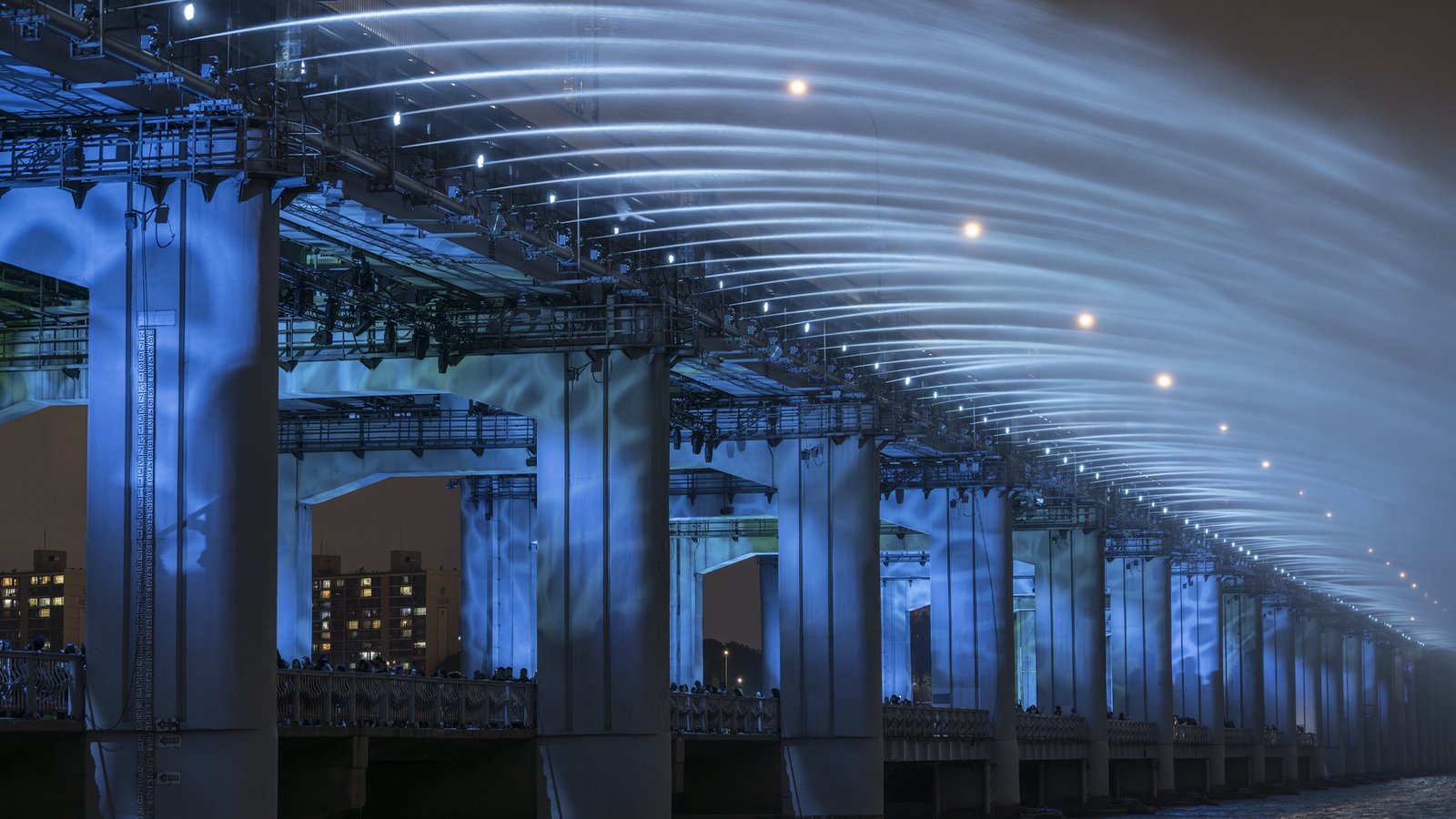
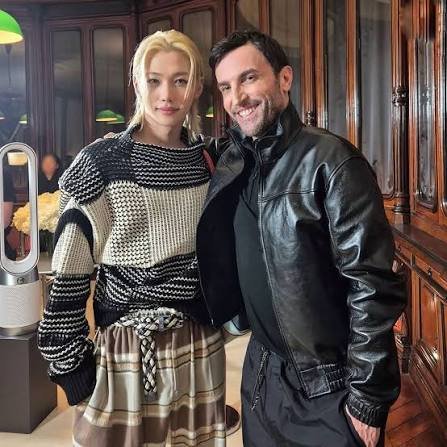
Louis Vuitton on Jamsugyo Bridge (Prefall): In an unprecedented showcase, Nicolas Ghesquière transformed the iconic Jamsugyo Bridge over the Han River into a kilometer-long runway. For an authentic cultural immersion, the maison collaborated directly with Hwang Dong-hyuk, director of the acclaimed series Squid Game, who designed the lighting and water-scenography. The collection not only celebrated Seoul’s dynamism but also sealed a strategic partnership with the city to help preserve the river’s biodiversity.
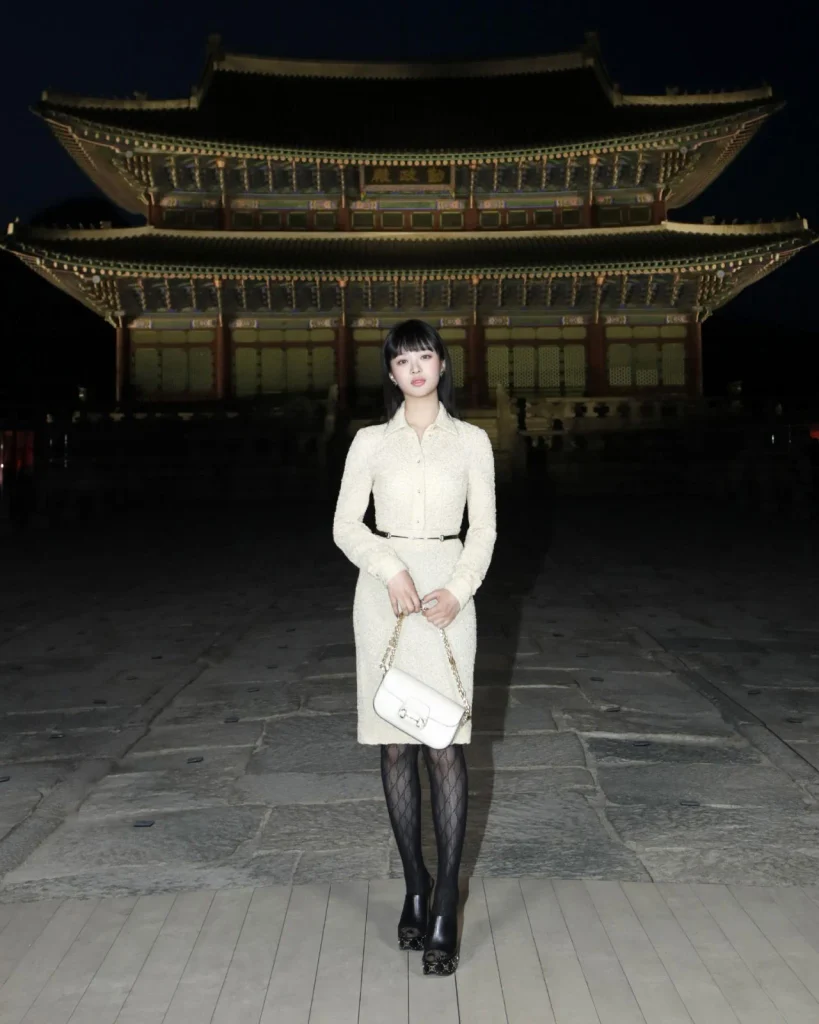
Gucci at Gyeongbokgung Palace (Cruise): The Italian brand made history as the first major international house to present a runway show in front of Geunjeongjeon Hall at Gyeongbokgung Palace, originally built in the 14th century during the Joseon Dynasty. Blending Italian sportswear with subtle nods to traditional hanbok attire, the runway juxtaposed historical heritage with modern urbanism.
Dior at Ewha Womans University (Fall):Maria Grazia Chiuri brought Dior’s universe to Ewha Womans University campus, celebrating female empowerment and connecting Parisian savoir-faire with Seoul’s young, innovative academic generation.
2. From Global Campaign to Hyper-Localization: Louis Vuitton’s Chuseok 2026
The true sign that Korea leads luxury storytelling is not just grand destination shows, but the sensitivity with which brands approach local traditions through conceptual art direction.
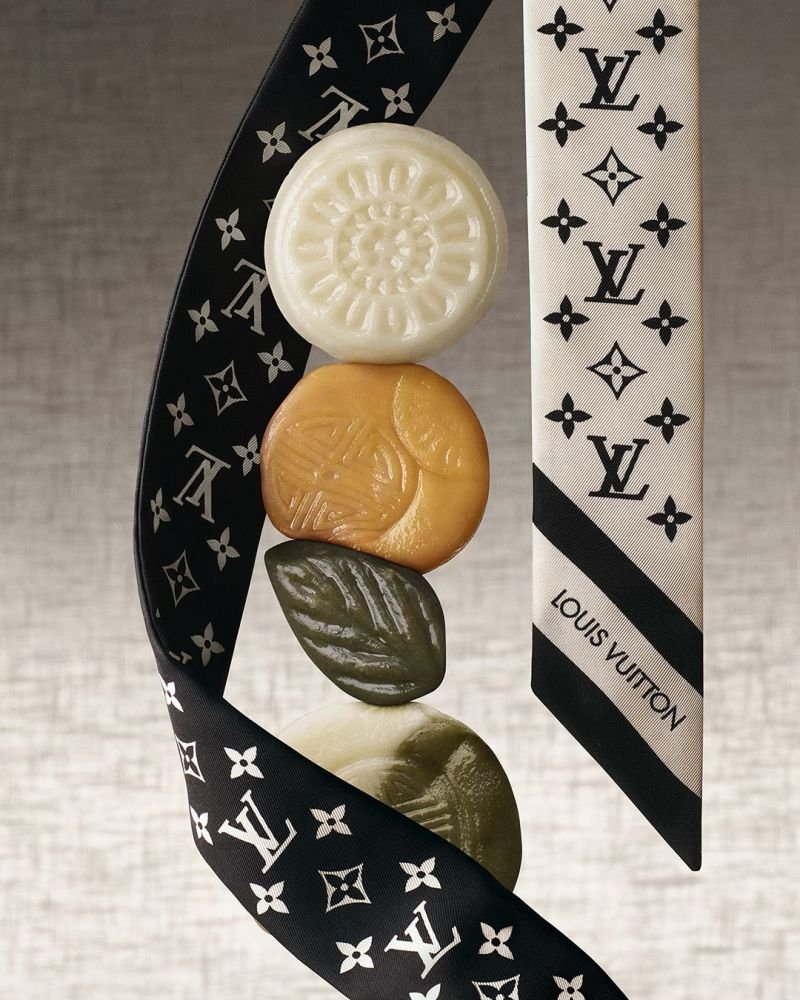
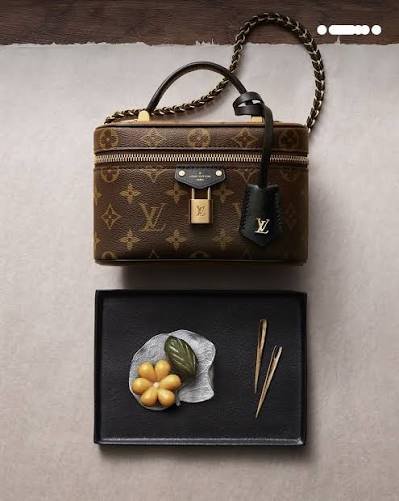
A masterclass in hyper-localized storytelling is Louis Vuitton Korea’s Chuseok 2026 visual campaign, created specifically to honor the harvest festival:
Local Creative Leadership: Directed by Gabrielle Parmentier alongside the local Louis Vuitton Korea creative team, the campaign bypassed generic holiday marketing in favor of a deeply artistic visual narrative.
Food Design with Dessertmonde: Collaborating with Paris/Seoul-based culinary studio Dessertmonde, the campaign featured sculptural still-lifes incorporating traditional delicacies like songpyeon (half-moon rice cakes) and seasonal harvest fruits alongside the maison’s signature leather goods.
Set Design & Photography: Lensed by photographer Nathan Robin with set design by Julia Leigh Zagury, the series proved that contemporary luxury reaches its peak when it reinterprets local folklore through high visual craftsmanship.
3. From Brand Ambassadors to Muses and Co-Creators
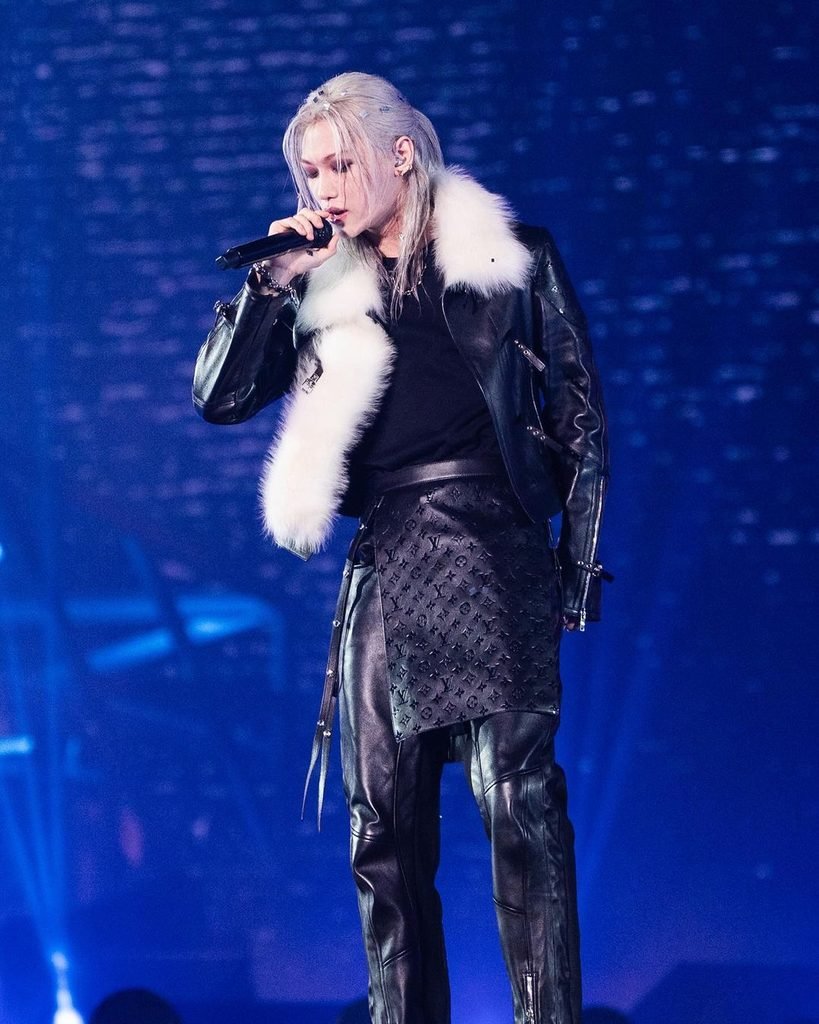
This evolution also redefines the ambassador role. Figures like Felix (Stray Kids), Hyein (NewJeans), Jisoo (BLACKPINK), and Hanni are no longer just faces; they are active muses and creative collaborators.
Custom Stage Wardrobes: Nicolas Ghesquière crafted bespoke tour looks for Stray Kids member Felix during their domiNATE world tour, creating custom shearling, leather, and monogram pieces that blend stage energy with haute couture.
Co-Designed Fine Jewelry: K-pop stars’ involvement in global charity launches—such as co-creating hand-drawn motifs for the Silver Lockit x UNICEF line—demonstrates how idols bring their artistic vision to global product design.
Micro-Trends & Streetwear Culture: Collaborations like JISOO x Hello Kitty and the rise of industrial menswear labels like GENTii in Seongsu-dong showcase how Seoul generates the bag-charm and customization trends that subsequently dominate global youth culture.
4. Why South Korea Dictates the Future of Luxury
South Korea has achieved what few markets can: uniting centuries of refined artisanal tradition with the speed of digital youth culture.
When a luxury brand invests in Seoul, it isn’t just looking for regional applause, it knows that the art direction, styling, and visual narrative birthed in Korea will instantly resonate in Tokyo, Paris, New York, and Shanghai. South Korea has become the lens through which the world consumes 21st-century fashion.
 1
1 2
2 3
3 4
4 5
5 6
6 7
7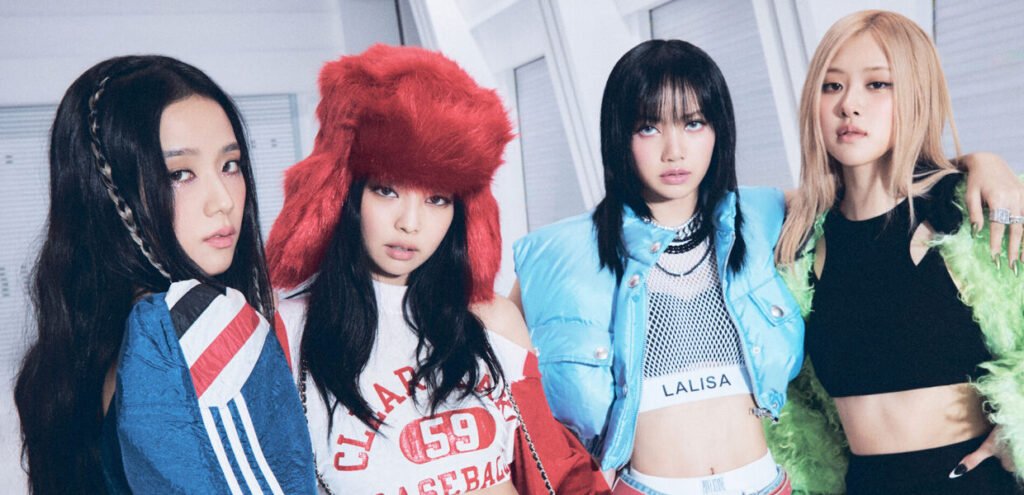 8
8