 111
 2
 3
 4
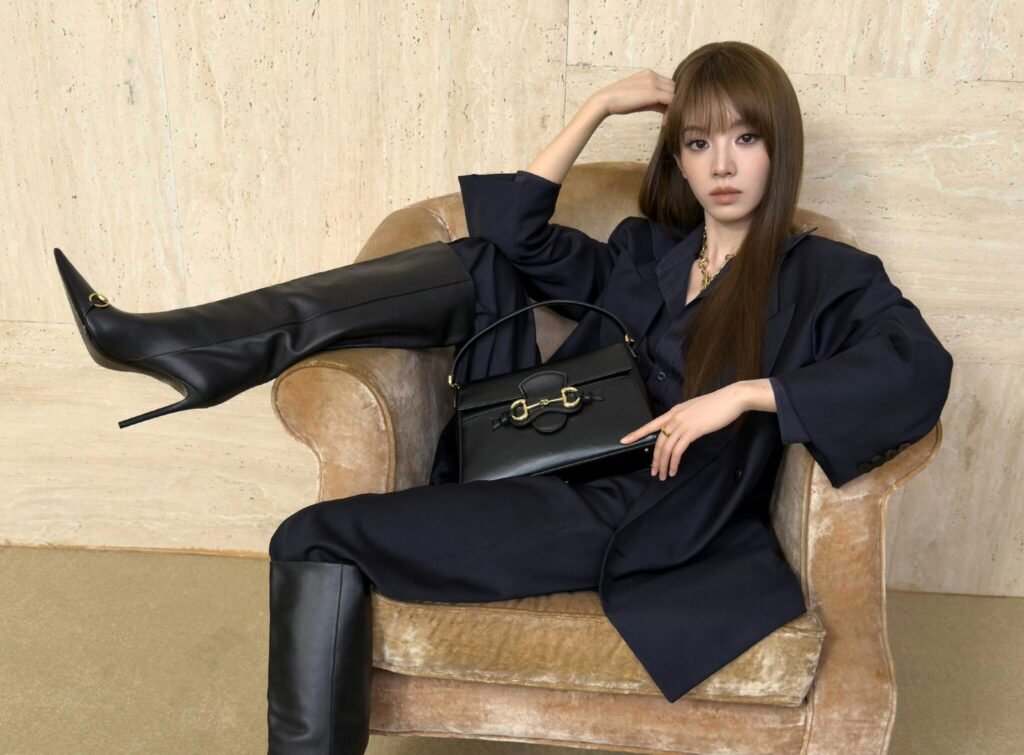 5
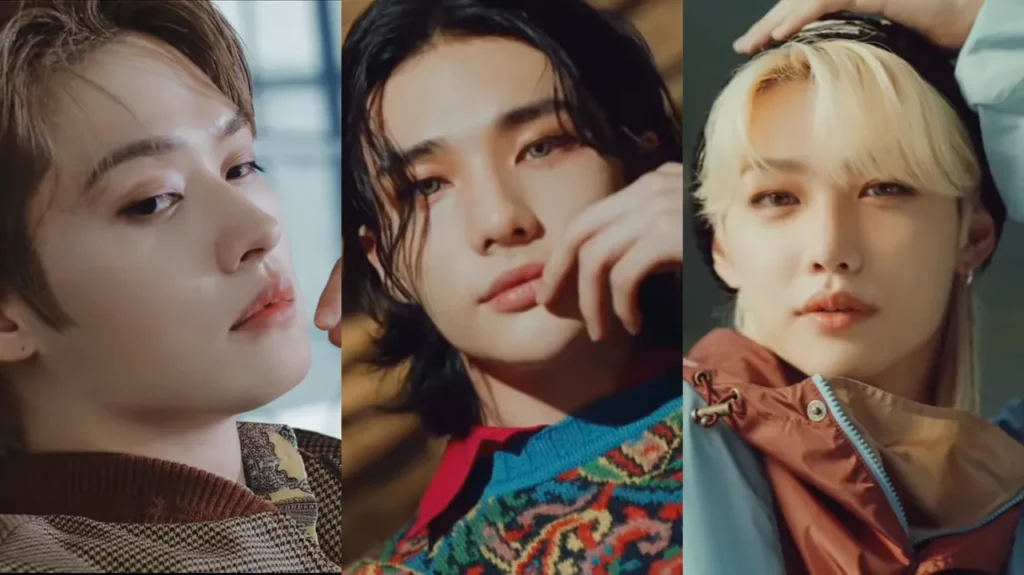 6
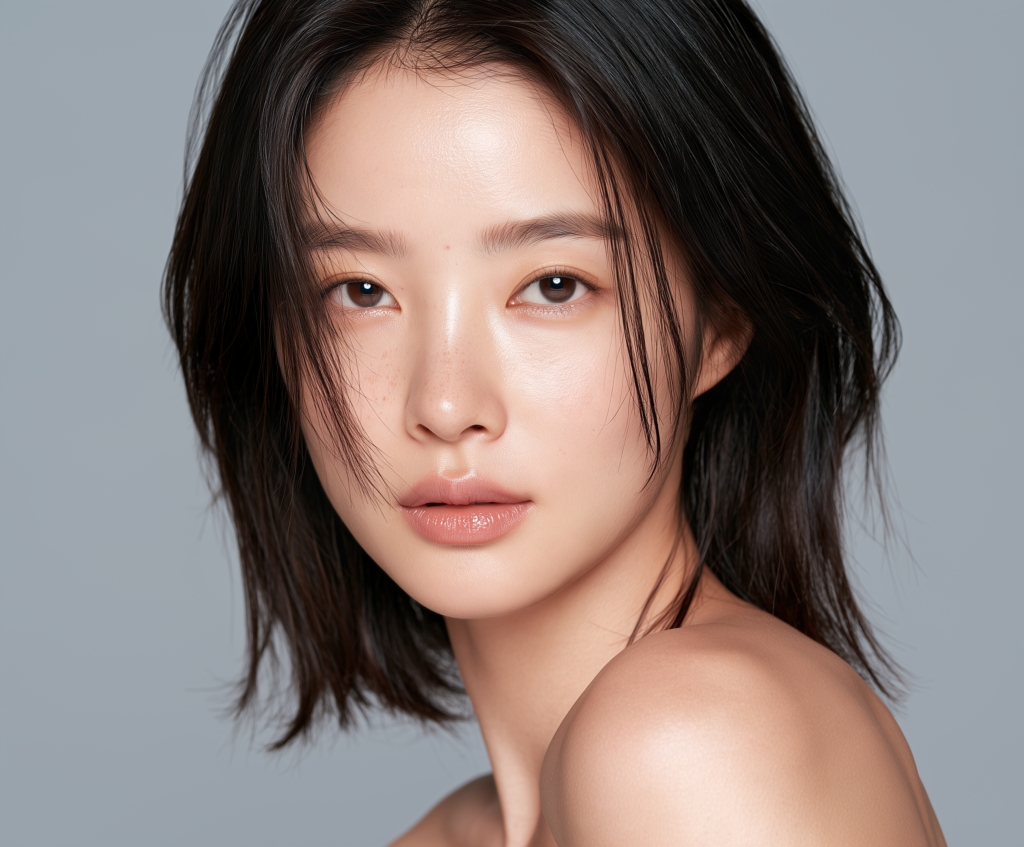 7
 8

There was a time when a look had a postcode. Punk belonged to London, grunge to Seattle, couture to a few ateliers in Paris. Today, a jacket spotted in Seongsu-dong on Monday is restyled in Tokyo by Tuesday and quoted by a European house within the season. Fashion has not lost its capitals. It has lost their monopoly.
The traditional dominance of European fashion capitals is being challenged by a more diverse creative landscape. Seoul, Tokyo, Shanghai and Bangkok have become influential not simply as major luxury markets, but as centres of design, street culture and contemporary style.
Understanding today’s fashion landscape means looking beyond individual trends. It requires recognising the aesthetics, cultural references and creative movements that shape the way we dress. From timeless tailoring to experimental streetwear and the distinctive influence of East Asian fashion, these are the visual languages defining contemporary style.
Before exploring the latest micro-trends, it is worth understanding the design philosophies that continue to influence modern wardrobes. These aesthetics have evolved over decades, crossing cultural boundaries and inspiring generations of designers.
Minimalism is rooted in the belief that simplicity can be powerful. Rather than relying on embellishment or prominent branding, it places emphasis on proportion, construction, fabric and the relationship between garment and body.
Designers such as Jil Sander and Helmut Lang helped establish a modern language of restraint, while Phoebe Philo’s influential work at Céline brought a new dimension to understated sophistication.
Its contemporary expression is often associated with Quiet Luxury: considered tailoring, fine cashmere, beautifully constructed outerwear and a restrained palette of neutral tones. The Row and Lemaire are among the labels that have helped define this approach, demonstrating how luxury can be communicated through craftsmanship and material quality rather than visible logos.
The appeal lies in its discretion. Nothing needs to announce itself to make an impression.
At the other end of the spectrum, Romanticism embraces emotion, historical references and theatrical expression. Its visual vocabulary draws on Victorian and Edwardian dress, Gothic literature and the decorative traditions of historical costume.
Few designers have explored these references as compellingly as Alexander McQueen and John Galliano. Today, Simone Rocha and Dilara Findikoglu continue to reinterpret romanticism through contemporary silhouettes.
Corsetry, intricate lace, sheer fabrics, voluminous skirts and dramatic proportions are central to this aesthetic. Yet its modern interpretation is rarely about reproducing the past. Instead, historical references are challenged through unexpected combinations of delicate materials, leather, exaggerated tailoring and unconventional construction.
The result is a style that balances vulnerability with strength, creating a distinctly individual form of expression.
Functionality has long been a source of inspiration for fashion. Rooted in workwear, military clothing and outdoor garments, utilitarian style celebrates durability, practicality and the beauty of materials designed to withstand everyday use.
Heavy cotton canvas, denim, reinforced stitching, oversized pockets and robust outerwear form its visual foundation. Carhartt WIP, Nigel Cabourn and RRL have each developed distinctive interpretations of this heritage.
What makes utilitarian fashion particularly relevant today is its versatility. Workwear-inspired pieces can exist comfortably alongside contemporary tailoring, luxury accessories and more refined wardrobe staples.
It is an aesthetic that values character over perfection, often becoming more interesting with age and wear.
Fashion can also function as an artistic statement, challenging established ideas of beauty, proportion and the human silhouette.
The Japanese designers Rei Kawakubo of Comme des Garçons, Yohji Yamamoto and Issey Miyake transformed the international fashion conversation during the 1980s. Their work introduced radically different approaches to volume, construction and the relationship between clothing and the body.
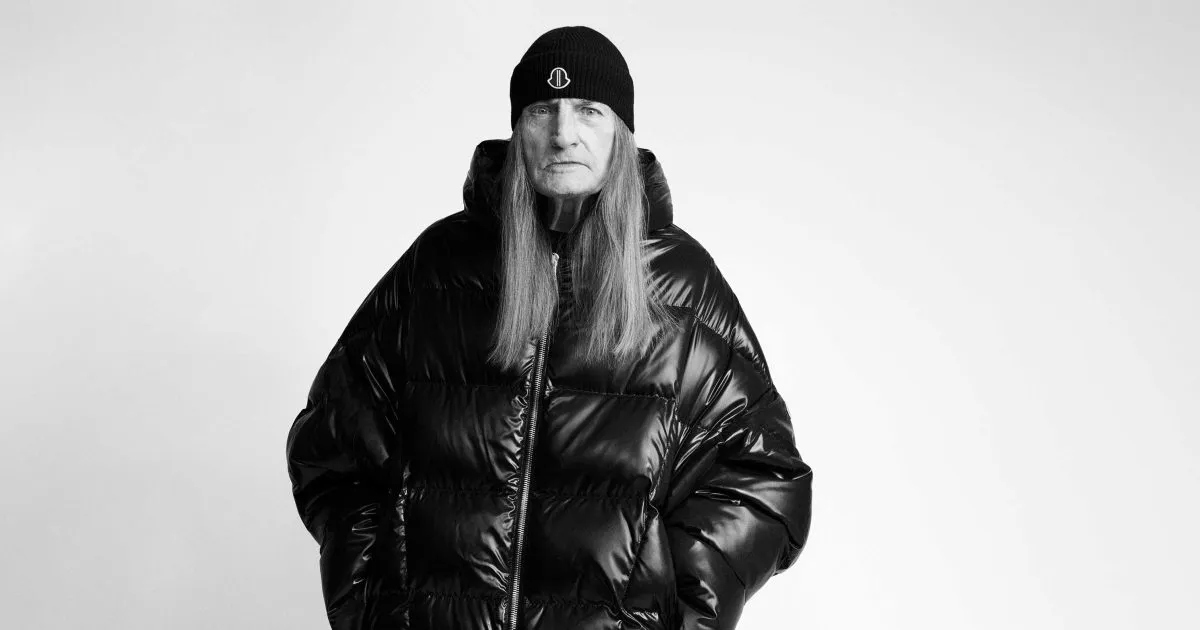
Later, designers such as Martin Margiela and Rick Owens expanded this experimental language through deconstruction, unconventional materials and sculptural silhouettes.
Asymmetry, exposed seams, unfinished edges, unexpected proportions and monochromatic palettes are among its recognisable characteristics.
For the avant-garde, clothing is more than an object of adornment. It becomes a medium for questioning conventions and exploring new possibilities of form.
Strong silhouettes and dramatic proportions have always played an important role in fashion’s visual vocabulary. Power dressing translates this idea into clothing that communicates confidence, presence and authority.
From sculptural shoulders and sharply tailored jackets to corsetry and fluid eveningwear, the aesthetic celebrates the relationship between fashion and the body.
Contemporary interpretations can be found in Daniel Roseberry’s work at Schiaparelli and in Anthony Vaccarello’s decade at Saint Laurent, which ended with the announcement of his departure in October 2026. Mugler and Balenciaga, both now under new creative direction, are also houses to watch for how they reinterpret the architectural silhouette.
Whether expressed through precise tailoring or dramatic eveningwear, this approach understands clothing as a powerful tool of self-presentation.
Few movements have transformed the fashion industry as profoundly as streetwear. What began in skateboarding, hip-hop and youth culture has developed into one of the most influential creative languages in contemporary luxury.
Brands such as Stüssy, Supreme and Palace helped establish the foundations of modern streetwear through graphic T-shirts, oversized hoodies, relaxed denim and distinctive visual identities. Their influence extended far beyond their original communities, eventually reshaping the way luxury brands approached younger audiences.
The relationship between street culture and high fashion became particularly significant through designers such as the late Virgil Abloh. His work at Off-White and Louis Vuitton challenged traditional distinctions between luxury and everyday clothing, bringing together graphic design, cultural references and the visual codes of contemporary street style.
Kim Jones also explored this relationship during his tenure at Dior Men, demonstrating how sportswear influences and streetwear references could coexist with the craftsmanship and heritage of a major luxury house.
Where traditional streetwear draws heavily on youth culture, Techwear places functionality and technical innovation at its centre.
Inspired by urban environments, performance clothing and futuristic design, the aesthetic prioritises movement, weather protection and adaptability. Modular pockets, articulated construction, waterproof zippers and technical fabrics create garments that appear almost architectural.
Errolson Hugh’s Acronym and Arc’teryx Veilance are important references within this movement, combining advanced garment engineering with a distinctive visual identity.
The result is a wardrobe that feels designed for the demands of contemporary urban life, while maintaining a futuristic, often monochromatic appearance.
The growing intersection between outdoor clothing and everyday fashion has given rise to Gorpcore, a term coined by writer Jason Chen in The Cut in 2017 and built on “gorp”, the hiking trail mix traditionally said to stand for “good ol’ raisins and peanuts”.
Initially associated with the adoption of practical outdoor garments, the aesthetic has evolved into a recognisable part of contemporary street style.
Technical jackets, trail-running footwear, fleece layers and performance accessories are now frequently combined with tailored trousers, oversized coats and everyday essentials.
Brands such as Salomon, Arc’teryx, Snow Peak and Goldwin have become important references, illustrating how outdoor functionality can move beyond the mountain and into the urban wardrobe.


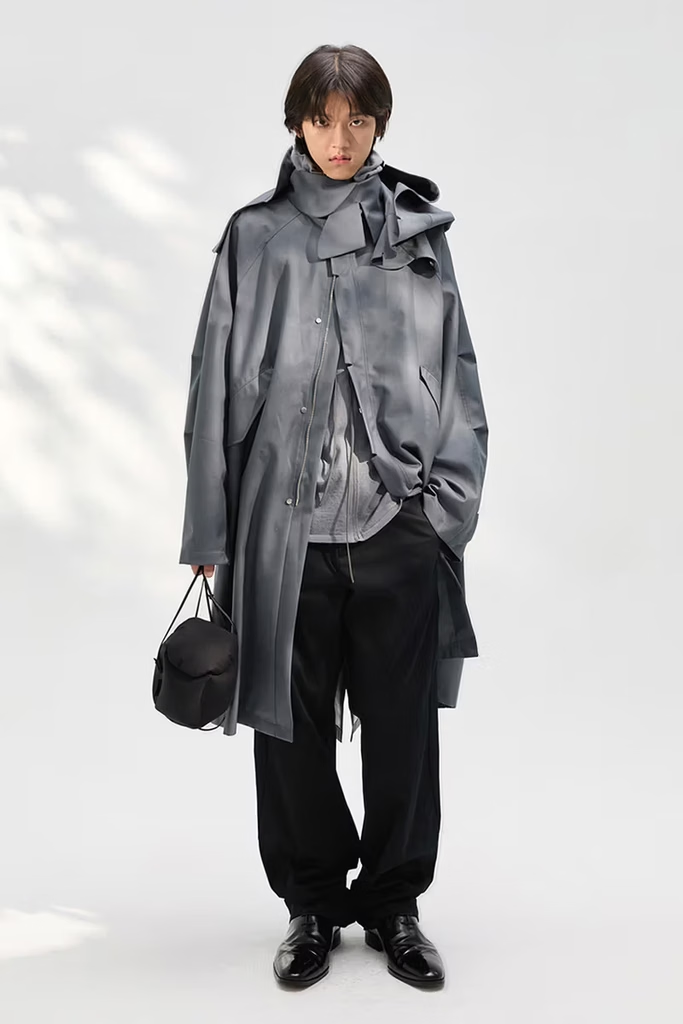
East Asia is now one of the most compelling creative forces in the global fashion conversation.
South Korea, Japan and China have developed distinctive fashion identities that influence everything from independent design and streetwear to luxury campaigns and international celebrity styling. Thailand, meanwhile, is gaining greater visibility through its fashion and entertainment industries.
This influence is particularly evident in the relationship between K-Pop, fashion houses, celebrity stylists and emerging designers. Idols are no longer simply wearing fashion: their public appearances, airport outfits, campaign work and personal styling have become important reference points for a global audience.
Seoul’s fashion identity is shaped by the interaction between youth culture, independent designers, digital communities and the international influence of K-Pop.
Neighbourhoods such as Seongsu-dong, Hongdae and Apgujeong offer different perspectives on the city’s creative landscape, from emerging independent labels to luxury retail and experimental street style.
Several distinctive aesthetics have emerged from this environment.
Acubi Style represents a more understated interpretation of early-2000s fashion. Rather than relying on the bright colours, prominent logos and maximalist styling often associated with Western Y2K, it favours muted palettes, fitted tops, cropped silhouettes and unexpected layering.
Baby tees, cargo skirts, sheer fabrics, cut-out details and relaxed proportions are among its defining elements.
Simplicity and experimentation sit side by side here, which is why the look has become so visible across Korean youth culture and K-Pop styling.
South Korea has also developed a distinctive approach to experimental streetwear, where technical construction meets contemporary urban design.
Post Archive Faction (PAF), founded by Dongjoon Lim and Sookyo Jeong, has become one of the most recognisable names in this space. Its collections explore different approaches to garment construction, moving between wearable essentials and more radical interpretations of tailoring.
San San Gear, which sits at the crossing of techwear and urban streetwear, offers a further perspective on the country’s evolving design landscape, combining unconventional proportions, technical details and contemporary silhouettes.
A more restrained aesthetic has also emerged through Korean labels exploring modern femininity and understated tailoring.
Low Classic and Recto are notable examples, while Matin Kim’s understated, monochrome casualwear and Andersson Bell’s Korean take on Scandinavian design show how broad the category has become. Together they offer a sophisticated approach to proportion, layering and everyday dressing.
Relaxed tailoring, fluid fabrics, subtle asymmetry and considered accessories create a visual language that feels contemporary without relying on excessive decoration.
It is a distinctly modern interpretation of minimalism, where refinement and individuality coexist.
One of the most interesting developments in contemporary Korean fashion is the reinterpretation of traditional dress.
The hanbok, with its characteristic silhouettes, overlapping closures and distinctive proportions, provides a rich source of inspiration for designers seeking to connect cultural heritage with modern design.
Leesle, founded in 2014 by designer Leesle Hwang, explores this relationship through contemporary interpretations of traditional Korean garments, bringing heritage references into dialogue with everyday clothing.
Rather than treating tradition as something preserved exclusively in the past, designers like Hwang demonstrate how cultural identity can remain relevant through creative reinterpretation.
Japan’s influence on international fashion extends across several generations of designers and subcultures.
From the experimental street styles of Harajuku to the conceptual work of its most influential designers, Japanese fashion has consistently challenged conventional ideas of beauty, construction and personal expression.
Gothic Lolita, Decora, Visual Kei and Gyaru represent different chapters in the country’s rich subcultural history. Each developed its own visual codes, demonstrating how clothing can become an expression of identity and belonging.
Japanese craftsmanship has also had a lasting influence on contemporary design. The philosophy of Wabi-Sabi, which finds beauty in imperfection and impermanence, resonates with the work of labels such as Kapital, known for its intricate patchwork, visible repairs and traditional sashiko stitching.
Mame Kurogouchi, founded by designer Maiko Kurogouchi, offers another perspective through its exploration of Japanese craftsmanship and textile traditions. Collaborations with specialist artisans and the use of traditional techniques connect contemporary fashion with a wider cultural heritage.
Here, innovation does not necessarily mean abandoning tradition. It can also mean finding new ways to preserve and reinterpret it.
The Chinese fashion landscape is being shaped by designers developing distinctive creative identities for an international audience.
Rather than being viewed solely through the lens of manufacturing, China is gaining recognition as a source of design, experimentation and cultural expression.
Feng Chen Wang and Shuting Qiu are among the designers contributing to this evolving conversation.
Feng Chen Wang, who works between London and Shanghai, is particularly recognised for her experimental approach to construction, combining contemporary tailoring with references to Chinese heritage.
Her work illustrates how traditional cultural influences can become part of a forward-looking design language, without losing their original significance.
Thailand is also gaining visibility within the wider Asian fashion conversation, supported by its creative industries and entertainment culture. In 2025, four Thai labels (Vinn Patararin, Matter Makers, Merge and Vickteerut) presented together at New York Fashion Week in the showcase One Night in Bangkok. Matter Makers, a contemporary streetwear label known for bold graphics and collaborations, was among them.
The digital environment has accelerated the circulation of fashion references, making it easier for different aesthetics to coexist, overlap and evolve.
Platforms such as Pinterest, TikTok and Instagram have helped turn visual identities into recognisable style categories. Some draw on established subcultures, while others reinterpret historical references through a contemporary lens.
The result is a fashion landscape in which personal styling is increasingly defined by experimentation and the combination of seemingly contrasting influences.
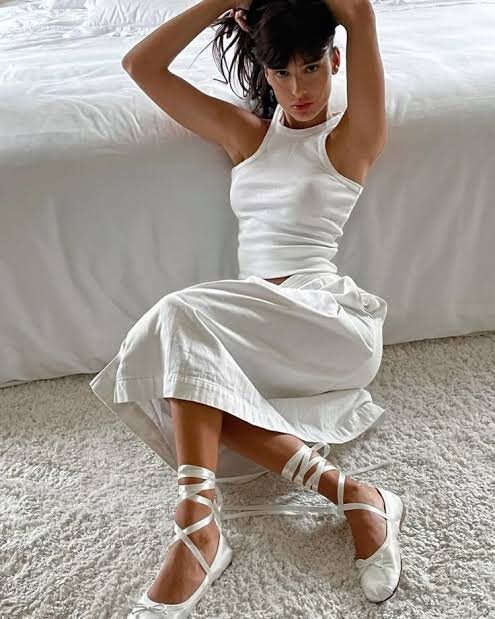
Both aesthetics explore femininity through romantic and delicate visual references.
Bows, ribbons, lace, satin ballet flats, tulle skirts and leg warmers form the foundation of Balletcore and Coquette styling.
Designers such as Sandy Liang have explored these references through playful, contemporary collections, while Miu Miu has helped bring elements of ballet-inspired dressing into the wider fashion conversation.
What makes their modern interpretation particularly interesting is the contrast between delicate details and more substantial pieces: oversized tailoring, leather jackets and heavy footwear.
Femininity becomes less about following a prescribed image and more about choosing how to express it.
Blockette brings together two seemingly different worlds: football-inspired streetwear and traditionally feminine styling.
Vintage football shirts, oversized sports jerseys and athletic references are paired with lace skirts, pleated minis and more delicate accessories.
The aesthetic draws on the wider Blokecore movement while introducing a playful contrast between sporty and romantic elements.
Designers such as Martine Rose, who was named creative director of Balenciaga in November 2026, have helped establish the fashion relevance of sportswear-inspired styling, while collaborations such as adidas by Wales Bonner demonstrate how athletic heritage can be reinterpreted through a luxury fashion perspective.
Dark Academia takes inspiration from literature, university architecture and traditional academic dressing.
Its wardrobe is built around wool blazers, tweed, pleated skirts, trench coats, knitwear and classic leather footwear.
Brands such as Ralph Lauren, Thom Browne and Margaret Howell offer different interpretations of the tailored and heritage references associated with this aesthetic.
Beyond the clothing itself, Dark Academia is closely connected to an atmosphere of intellectual nostalgia, where personal style becomes an extension of cultural interests and individual identity.
Eclectic Grandpa embraces vintage references, relaxed proportions and an appreciation for clothing with character.
Patterned cardigans, corduroy trousers, oversized knitwear, classic loafers and carefully selected second-hand pieces create an aesthetic that feels deliberately individual.
It is a style that mixes textures, eras and influences and ignores conventional ideas of coordination.
Designers such as Bode have explored this eclectic approach through vintage references, expressive patterns and unconventional combinations, while Gucci, in its Alessandro Michele years, made those codes part of its identity.
Fashion is no longer shaped by a single hierarchy of cities, designers or cultural movements. Its influence moves across borders, generations and digital communities, creating an interconnected creative landscape.
The growing international visibility of Seoul, Tokyo, Shanghai and Bangkok reflects a broader transformation in the industry: the recognition that innovation can emerge from many different cultural perspectives.
The conversation is no longer set from a single address, and the houses that still behave as if it were are playing catch-up.
At the same time, the boundaries between established aesthetics are becoming less relevant. Minimalism can coexist with streetwear. Traditional craftsmanship can inform technical design. Historical references can be reinterpreted through contemporary silhouettes. Luxury can borrow from subculture without losing its own identity.
Perhaps the most defining characteristic of modern fashion is not the emergence of one dominant aesthetic, but the freedom to combine them.
Today’s wardrobe is a reflection of multiple influences, personal experiences and cultural references. It is no longer about belonging to a single style category or following a fixed set of rules.
It is about knowing the visual languages available to us and deciding which ones are worth making our own.
To complement this monograph and explore high-resolution visual archives across digital platforms without cluttering the editorial presentation, refer to the following curated search index categorized by aesthetic movement.
Category I: K-Pop Idol Aesthetics and Youth Subcultures Search Query: Acubi style outfit editorial Visual Reference: Subverted Korean micro-aesthetics, cropped layered mesh, low-rise cargo silhouettes, and muted neutral tones characteristic of K-pop off-duty styling.
Category II: Advanced Technical Utility and Deconstructed Outerwear Search Query: Post Archive Faction PAF street style Visual Reference: Seoul avant-garde technical outerwear, asymmetrical curving zippers, kinetic panelling, and functional K-Gorpcore ergonomics.
Category III: Japanese Conceptual Avant-Garde Search Query: Comme des Garcons avant garde runway Visual Reference: Sculptural black wool, deconstructed tailoring, radical anti-fashion silhouettes, and abstract volumes from the Japanese avant-garde triad.
Category IV: Quiet Luxury and Architectural Restraint Search Query: Quiet luxury architectural minimalism street style Visual Reference: Unlined double-faced cashmere, fluid tailoring, and stone-hued palettes from houses such as The Row and Lemaire.
Category V: Dramatic Haute Couture and Historical Gothic Search Query: Alexander McQueen gothic romanticism runway Visual Reference: Theatrical corsetry, Victorian lace, dark melancholia, and sweeping silhouettes defining historical couture.
Category VI: High-Fashion Sports Luxe and Terrace Culture Search Query: Blockette style Martine Rose editorial Visual Reference: Vintage football kits recontextualized with delicate lace skirts, pleated mini-skirts, and retro footwear.
All images featured in this article are credited to owners . They are used for editorial and illustrative purposes only, with no commercial intent. All rights remain with their respective owners.