 111
 2
 3
 4
 5
 6
 7
 8
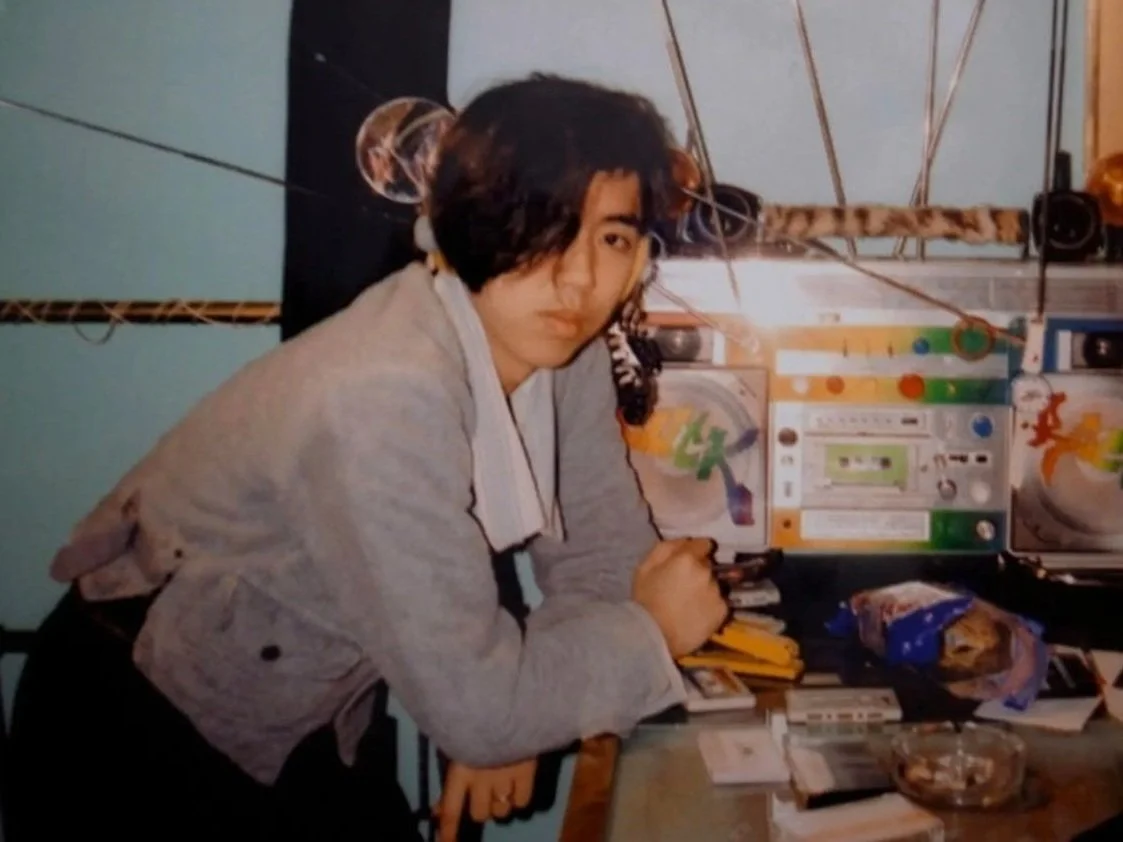
As Bentley names him a global ambassador, we revisit the Tokyo tastemaker who taught luxury that restraint is the rarest currency of all.
Some careers are built on volume. Hiroshi Fujiwara’s has been built on the edit.
This month, Bentley Motors welcomed the Japanese musician, designer and tastemaker to its roster of global ambassadors, where he joins Michelle Yeoh and Priyanka Chopra Jonas. His first act in the role is a bespoke Torcal, limited to 20 cars and created with Bentley Mulliner, in Beluga paint with Imperial Blue and Beluga hides. Bentley’s marketing director put the appeal simply: “Hiroshi doesn’t follow trends; he creates them.” For the man the industry has long called the Godfather of Streetwear, it is a fitting chapter, and a reminder of how far his quiet influence has travelled.
Fujiwara was born on 7 February 1964 in Ise, a town beside Ise Jingū, arguably the most sacred Shinto shrine in Japan. At eighteen he left for Tokyo, and by his own account he reached London in 1982, where he met Malcolm McLaren and Vivienne Westwood. New York and the birth of hip-hop followed. He discovered punk in one city and hip-hop in the other. Back in Tokyo, he became a DJ and aligned himself with the hip-hop label Major Force. The lesson he carried home was that fashion is less about clothes than about belonging.
Around 1990 he launched GOODENOUGH, drawing on two labels he admired: America’s Stüssy and Britain’s Anarchic Adjustment. In 1993 came a decisive act of generosity: he helped Jun Takahashi, who would found Undercover, and NIGO, creator of A Bathing Ape, open the Harajuku store Nowhere. The ripple effect is still visible. NIGO has been artistic director of Kenzo since 2021, and London’s Design Museum devoted a retrospective to him this year. Fujiwara and Takahashi also made AFFA, a punk-minded line released in single, limited runs that often sold out on the day.
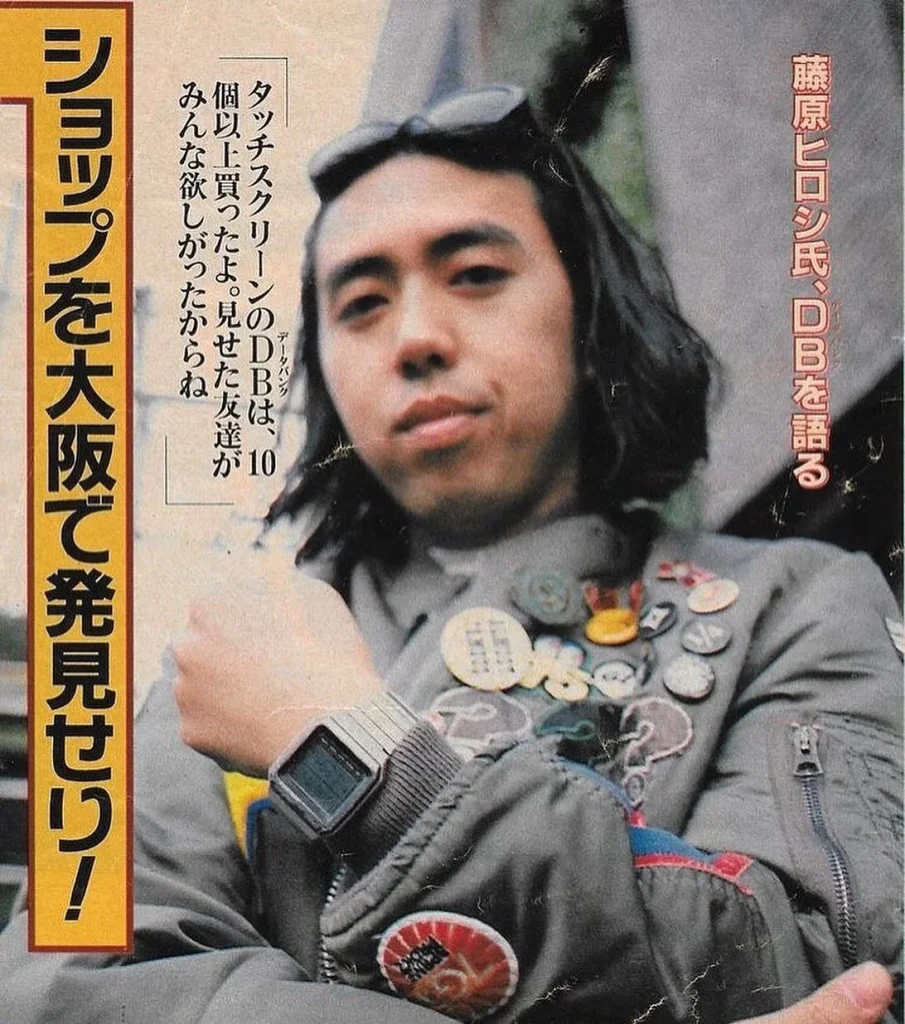
What we now call the drop was, in that Harajuku of the early nineties, simply a community keeping its secrets.
Fujiwara formalised Fragment Design around 2003. Its emblem, the double lightning bolt, was borrowed from an earlier project called Electric Cottage. The method is the point: Fragment is known for subtle disruptions, often applying nothing more than the bolt to other brands’ products. Think of a DJ sampling a classic. A shade of blue, a change of fabric, a single stamp of approval, and the familiar becomes coveted.
Nike HTM (2002). Fujiwara, Tinker Hatfield and Mark Parker founded HTM, named for their initials, in 2002. Its debut, the Air Force 1 Low HTM in premium black leather, was limited to 1,500 pairs. HTM later became the launch platform for Nike’s Flyknit technology with the Flyknit Racer and Trainer in 2012.
Louis Vuitton (2017). Kim Jones and Fujiwara’s Autumn-Winter 2017 men’s pre-collection debuted on 21 April in Tokyo, and a day later in Singapore. Louis Vuitton’s Monogram Eclipse pattern formed the base of the street-meets-luxe collection.
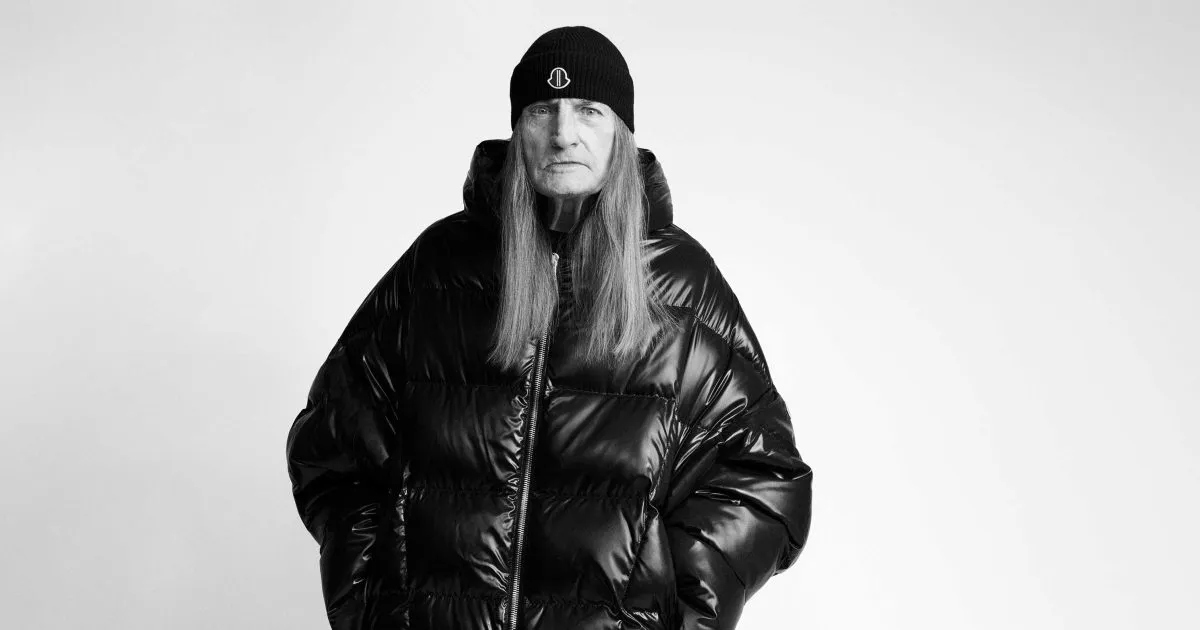
Moncler Genius (2018). Moncler launched Genius in Milan in February 2018, and 7 Moncler Fragment Hiroshi Fujiwara was its first collection to reach stores that June. The dialogue between Moncler’s mountain heritage and Fujiwara’s cultural instinct continues today.
Loro Piana (2021). A ten-piece genderless capsule, the first collaboration in the Italian house’s history, and the first time Fujiwara collaborated under his own name rather than Fragment’s. It was cut in Tasmanian Super 150s wool and baby cashmere. The idea began with a chance encounter at a Loro Piana store in Japan, where Fujiwara had been a customer for years.
Bang & Olufsen (2026). Not every Fujiwara collaboration begins with a pitch; this one began with a house. In the 1990s he built his home around Bang & Olufsen’s integrated sound system, driven by a love of the brand and a hatred of exposed wiring. Three decades on, the Danish audio house and Fragment unveiled their first collaboration in May, reworking four icons: the portable Beosound A1 speaker, the Beoplay H100 headphones, the architectural Beosound Shape and the Beosystem 9000c. The language is pure Fragment: monochrome black on precision-milled aluminium, achieved through a highly artisanal anodising and polishing process, used for the first time on the brand’s portable products. The result is a liquid-like, high-gloss finish, and for Fujiwara, a long-time dream. For the Beosound Shape, he even designed an original flower-shaped wall configuration. It is minimal intervention at its most literal: the object stays, and the edit does the rest.
Bentley (2026). The newest chapter, and the most telling: Fujiwara himself noted that he has owned a Bentley before and hopes to bring a fresh perspective from outside the automotive world.
From the wardrobe to the living room to the driveway, his edit now reaches every space in which taste is lived: a Moncler parka, a Loro Piana knit, a Bang & Olufsen speaker in liquid black, a Bentley in Beluga. Fujiwara’s real invention was not a garment but a posture. He showed luxury houses that scarcity, context and a trusted eye can be worth more than scale, and that the curator can outrank the couturier. Every limited drop, every considered collaboration, every maison that courts a subculture follows a path he first walked in the back streets of Harajuku.