 111
 2
 3
 4
 5
 6
 7
 8
For centuries, the fundamental definition of haute couture remained inextricably bound to tactile longevity: hand-woven silks, structured wools, architectural tulles, and hand-embroidered beadwork designed to defy time. However, a quiet revolution has erupted across global fashion capitals, dismantling the historical boundaries between textile art and culinary expression. High fashion is no longer merely seen or worn; it is consumed, digested, and experienced through a multi-sensory synthesis where gastronomy meets architectural garment design.
This shift represents far more than a transient gimmick or a viral runway spectacle. The convergence of culinary craftsmanship and garment construction signals a profound paradigm shift in cultural economics. As modern consumers, particularly Gen Z and luxury connoisseurs—seek ephemeral, experiential authenticity over static material possessions, fashion houses and avant-garde designers are re-engineering luxury as an immersive, consumable sanctuary.
In the contemporary fashion landscape, where designers constantly hunt for the next avant-garde medium, one of the most innovative ateliers is located not in the historic heart of Paris or Milan, but on a dinner plate. Min Kyung-jin, the South Korean culinary artist behind the account @sibatable, has pioneered a movement where the boundaries between gastronomy and haute couture completely dissolve. What began in 2022 as playful experimentation with kitchen staples like rice, noodles, and vegetables has matured into a sophisticated visual language. Kyung-jin’s portfolio merges high-concept editorial styling with pop culture codes, seamlessly converting ramen noodles into flowing, textured editorial hair, sculpturally manipulating dumplings into three-dimensional luxury handbags, and draping delicate pasta sheets into miniature blazers, trousers, and layered gowns.
Operating much like a micro-couture house, Kyung-jin’s execution is anything but casual, with a single plated composition requiring anywhere from several hours to multiple days to complete. Her methodology follows a rigorous four-part sartorial architecture. It begins with conceptual interpretation, translating traditional fashion codes into edible matter, before moving to the creation of the structural textiles through specialized dough and pasta sheets. She then achieves precise color balancing using natural vegetable dyes to recreate complex textile prints and patterns, culminating in precision sculpting and structural engineering that applies haute couture draping techniques while ensuring delicate pasta dough maintains its three-dimensional shape on the plate.
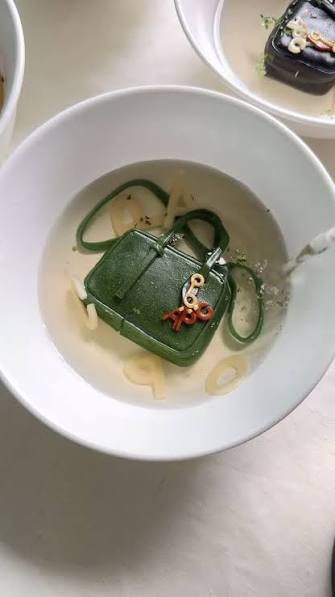
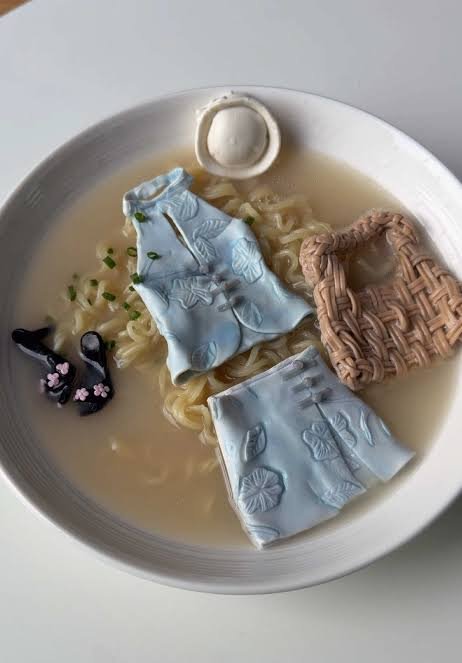
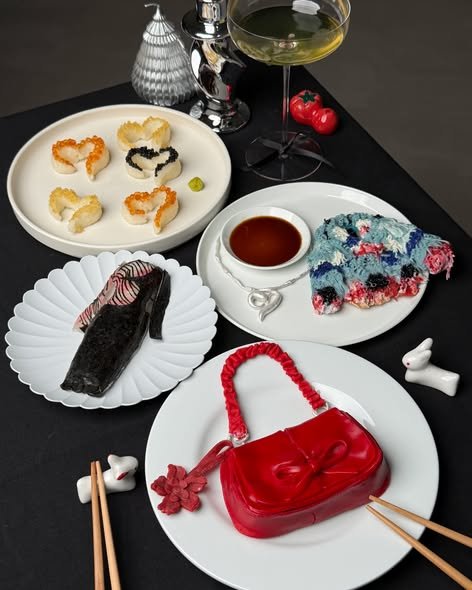
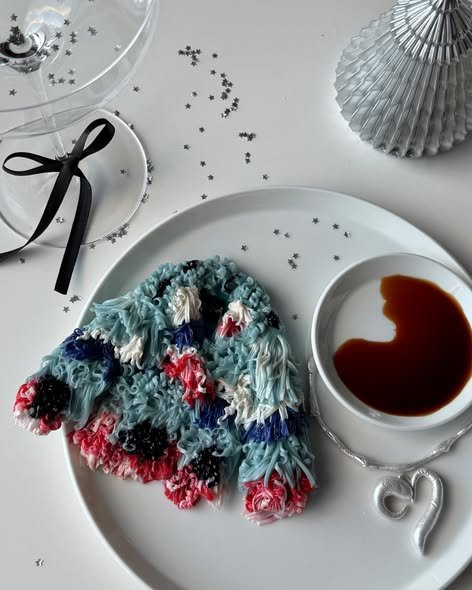
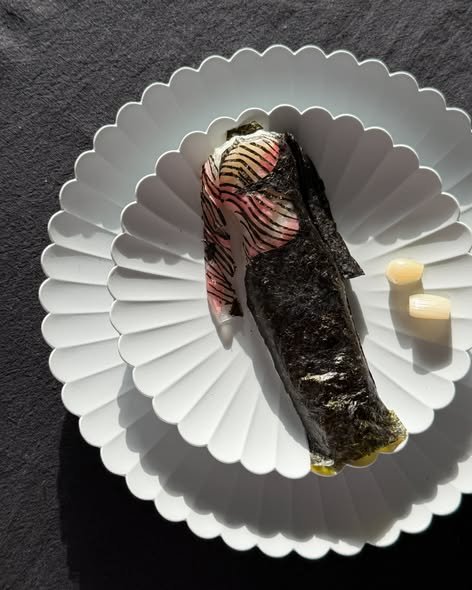
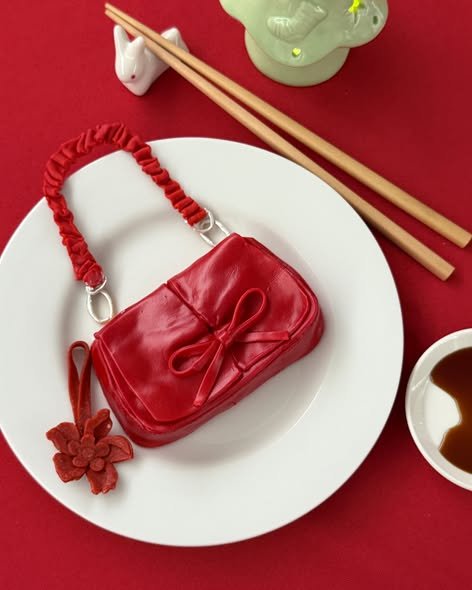
The legitimacy of edible fashion moved from digital novelty into industry reality through Kyung-jin’s official collaboration with Spanish brand Desigual. For the Desigual Artist Series, she translated signature floral textile patterns into handmade, vegetable-dyed ravioli designed to mimic a floral mini dress. In this conceptual crossover, traditional fashion parameters were radically inverted: fabric became sheets of pasta, prints were rendered via natural vegetable extracts, and garments were presented as plated editorial compositions. The partnership demonstrated that fashion codes can exist independently of traditional textiles.
Kyung-jin’s work captures a core paradox of luxury: the tension between an object’s function and its status as art. Just as a couture gown is crafted to be worn yet preserved as a museum masterpiece, her dishes are frequently described as too cute to eat. By manipulating the texture of dough to evoke silk, organza, and high-end knitwear, @sibatable proves that the semiotics of luxury, architecture, draping, and silhouette, can be fully expressed through the medium of food before disappearing into a single, ephemeral bite.
While @sibatable explores the plate as a runway, Sundae School, the pioneering smokewear and craft cannabis label founded in New York in 2017 by Seoul-born siblings Dae Lim and Cindy Lim, has integrated gastronomy directly into subcultural fashion identity. Raised in Gangnam and educated in Applied Mathematics at Harvard before stepping into McKinsey & Company and VFILES, Dae Lim conceived Sundae School on Broome Street in Chinatown under a provocatively poetic epiphany: “What if God was Korean and smoked weed every day?”
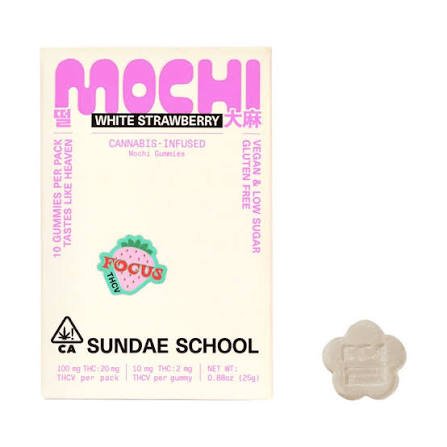
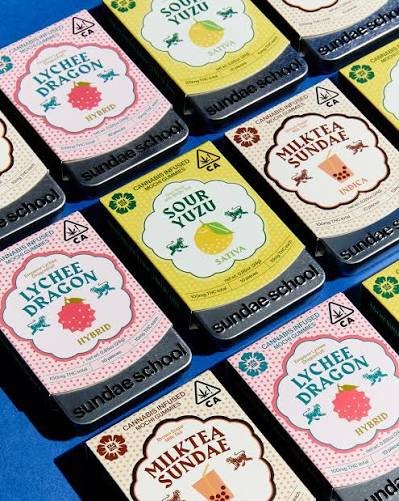
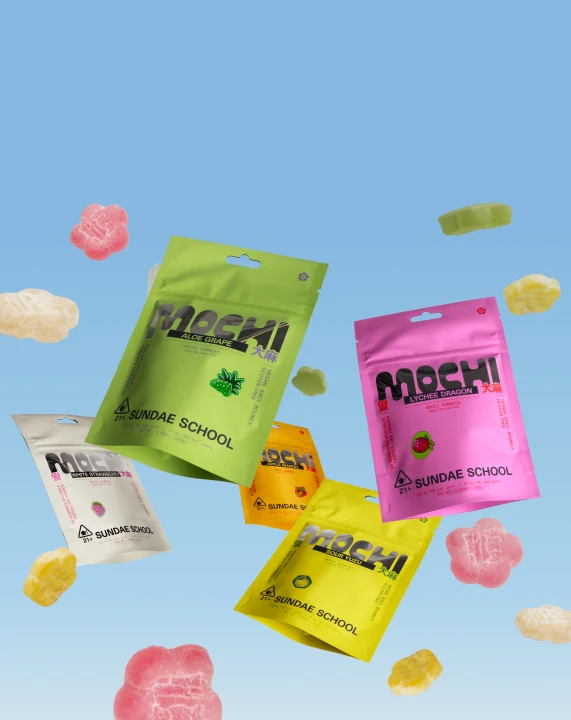
Sundae School did not merely create clothing; they invented an entirely new sartorial category. By deconstructing traditional Korean heritage garments, most notably the Hanbok (한복), and fusing them with oversized urban streetwear, technical outerwear, and functional lighter pockets, the brand created a physical uniform for subcultural expression.
Yet, their most radical expansion occurred through their craft cannabis division with the launch of Mochi Gummies. Crafted with tapioca and rice flour, these artisan edibles celebrate East Asian flavor profiles including Yuzu, Lychee, Matcha, Boba, and Taro. From their Broome Street flagship to milestone collections like FW24 “Resilience” (co-led with Elizabeth Wang), Sundae School merged the architectural reverence of traditional Korean garment making with high-end edible confectionery, successfully destigmatizing plant culture within East Asian diaspora communities and proving that fashion and flavor share the exact same artistic DNA.
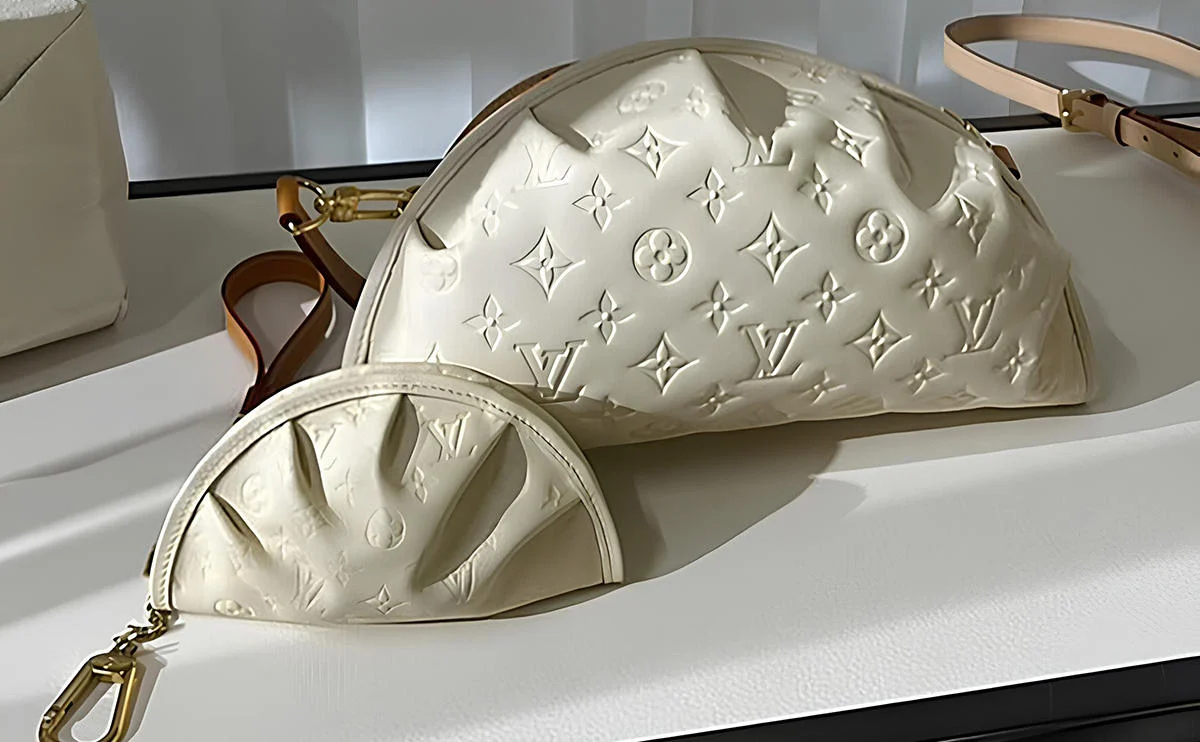
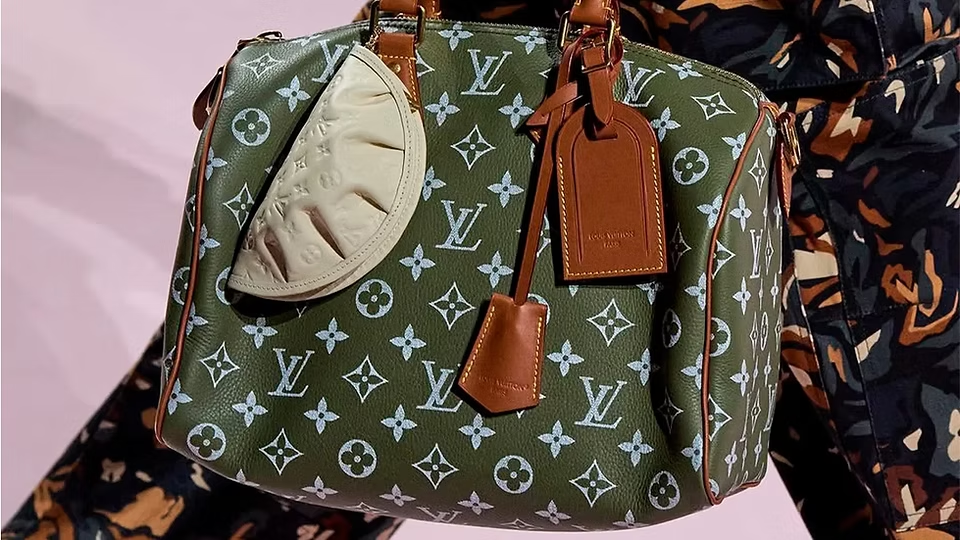
It is no coincidence that projects like @sibatable and Sundae School feel so resonant today; food has quietly become one of fashion’s most potent strategic tools. In recent seasons, luxury brands have actively blurred the line between object and appetite. A prime example is Louis Vuitton, which introduced gyoza-shaped charms and leather accessories under the creative direction of Pharrell Williams. Inspired by the Japanese dumpling, these pieces translate an everyday edible staple into a collectible, high-end luxury object. Because food is universal, emotional, and instantly shareable, it serves as an ideal communication strategy for the digital age—transforming cultural references into conversational luxury pieces designed to be photographed, shared, and remembered.
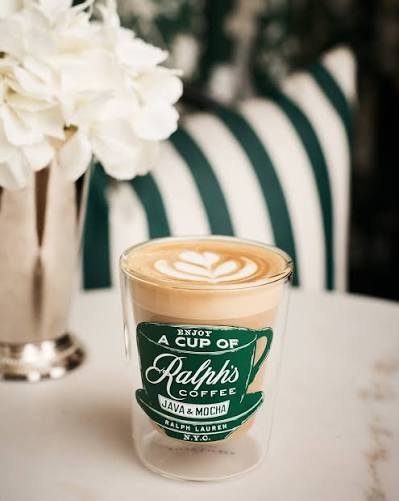
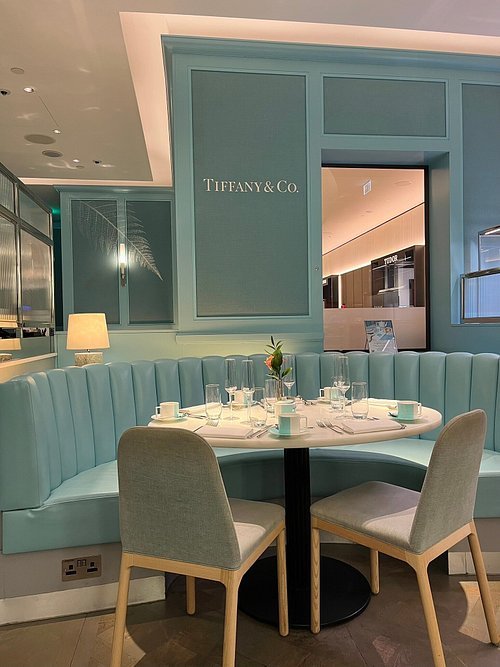
Concurrently, heritage luxury houses are deploying gastronomy to construct physical brand sanctuaries. Simon Porte Jacquemus translated his Provençal aesthetic into physical dining spaces with Café Citron and Oursin in Paris, serving elevated Mediterranean fare framed by minimalist terra-cotta architecture. Similarly, The Blue Box Cafe by Tiffany & Co. allows clients to physically step inside the cinematic mythology of Audrey Hepburn, turning an iconic brand narrative into a tangible culinary ritual. Meanwhile, Ralph Lauren’s Ralph’s Coffee outposts across New York, London, and Tokyo function as democratic entry points into aspirational Americana, proving that a curated espresso carries the exact same brand prestige as a tailored blazer.
Beyond brand cafes and edible art, the material chemistry of fashion itself is undergoing a bio-gourmet transformation. Avant-garde runway collections increasingly feature garments sculpted from edible algae, crystallized sugar glass, and bio-resins that naturally decompose. Simultaneously, biotechnology firms and fashion laboratories are turning to agricultural food waste as the primary source for luxury textiles. Engineers are harvesting mushroom mycelium into supple, biodegradable leather alternatives, extracting silk-like yarns from citrus juice byproducts via Orange Fiber, and forging durable technical surfaces from pineapple leaf harvest waste through Piñatex.
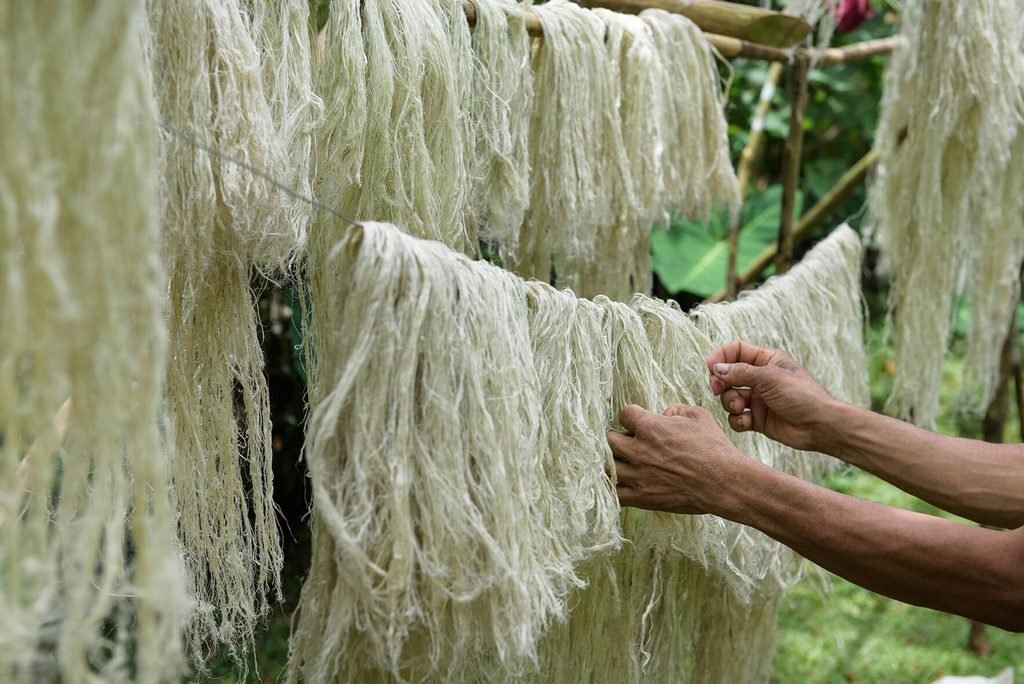
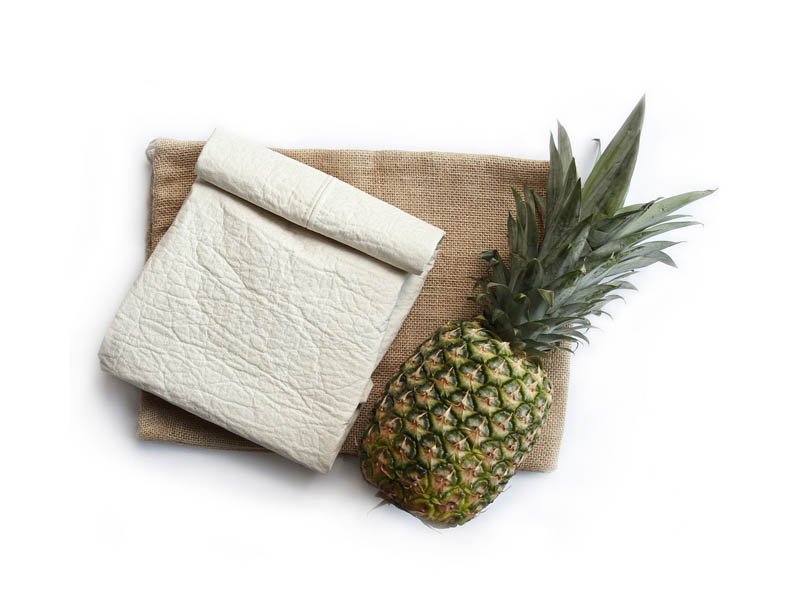
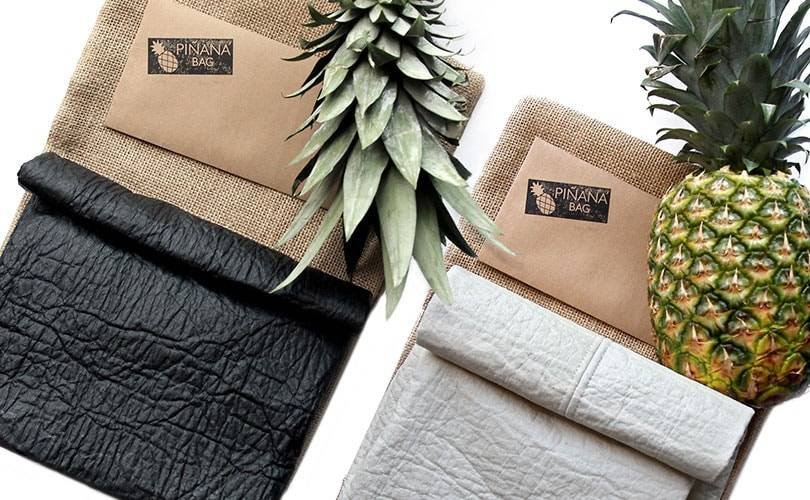
This synergy between culinary byproducts and textile innovation redefines sustainability from a passive obligation into an active artistic medium. Garments crafted from organic, food-grade materials challenge the permanence of fashion, framing apparel as a living, cyclical organism.
Ultimately, the rise of Edible Couture signals a broader cultural evolution. Fashion is no longer confined to the physical clothing rack; it lives across digital skins, culinary canvases, and ephemeral bio-design. Kyung-jin’s pasta gowns, Louis Vuitton’s dumpling charms, and Sundae School’s Mochi Gummies are designed around a new premise: fashion as an unrepeatable, sensory moment.
Whether through a deconstructed Hanbok paired with artisan Mochi Gummies, a floral mini dress rendered in handmade Desigual ravioli, or a haute couture gown sculpted from sugar polymers, fashion has evolved beyond fabric. It has become a holistic art form that feeds the intellect, the eye, and the palate, proving that true style is a taste meant to be savored.
All images featured in this article are credited to owners . They are used for editorial and illustrative purposes only, with no commercial intent. All rights remain with their respective owners.