 111
111 2
2 3
3 4
4 5
5 6
6 7
7 8
8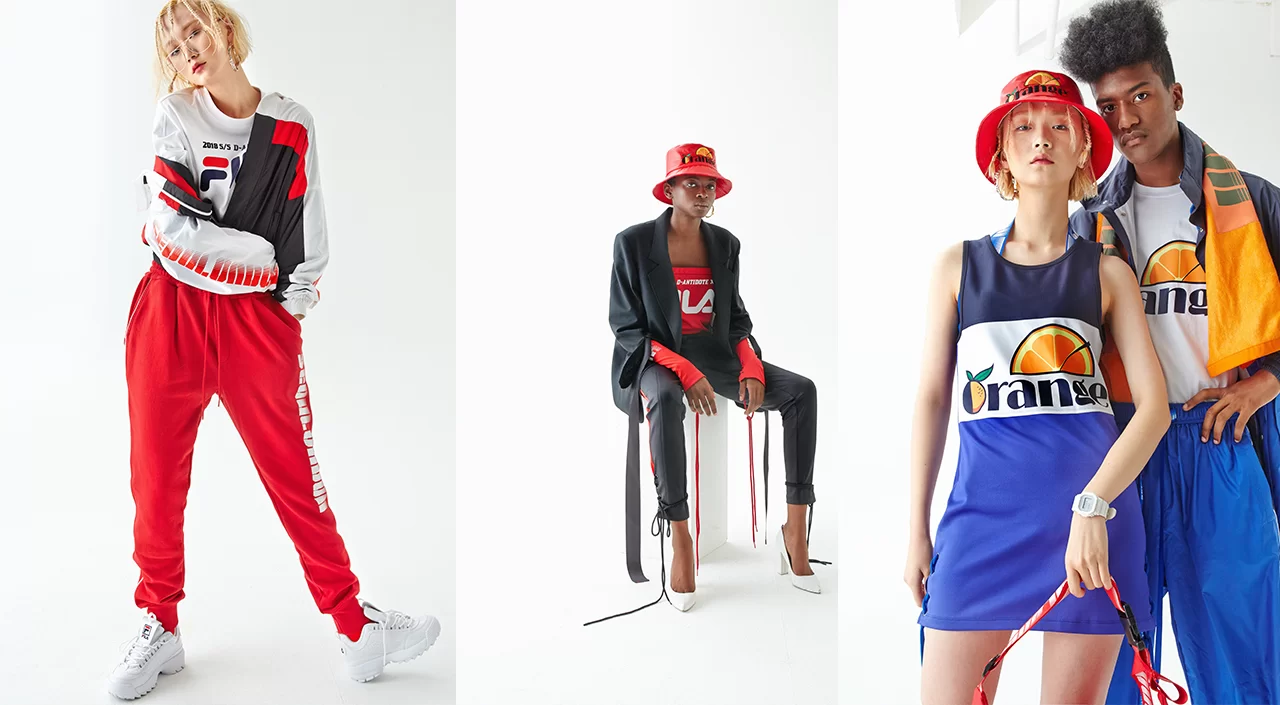
The Seoul streetwear that refused to follow the rules
There’s a particular kind of confidence that comes from not needing to look expensive. In Seoul, you find it everywhere , in oversized silhouettes moving through Gangnam, in tailored trousers worn with beat-up sneakers, in the strange ability to make something effortless feel completely considered. D-Antidote speaks that language fluently, and it’s spent a decade proving it wasn’t a phase.
EIGHT YEARS IN LONDON, THEN A SLOGAN THAT SAID EVERYTHING
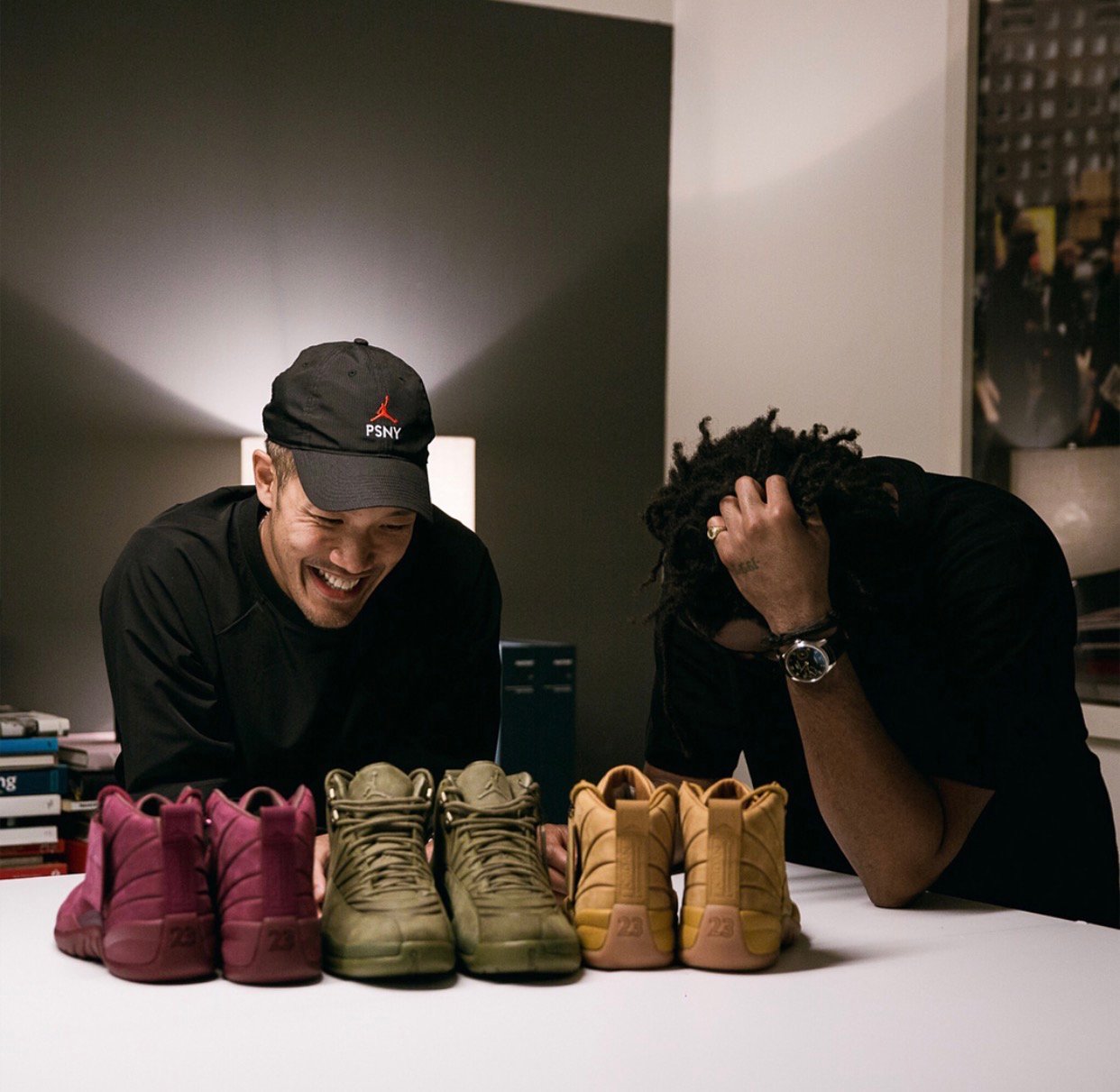
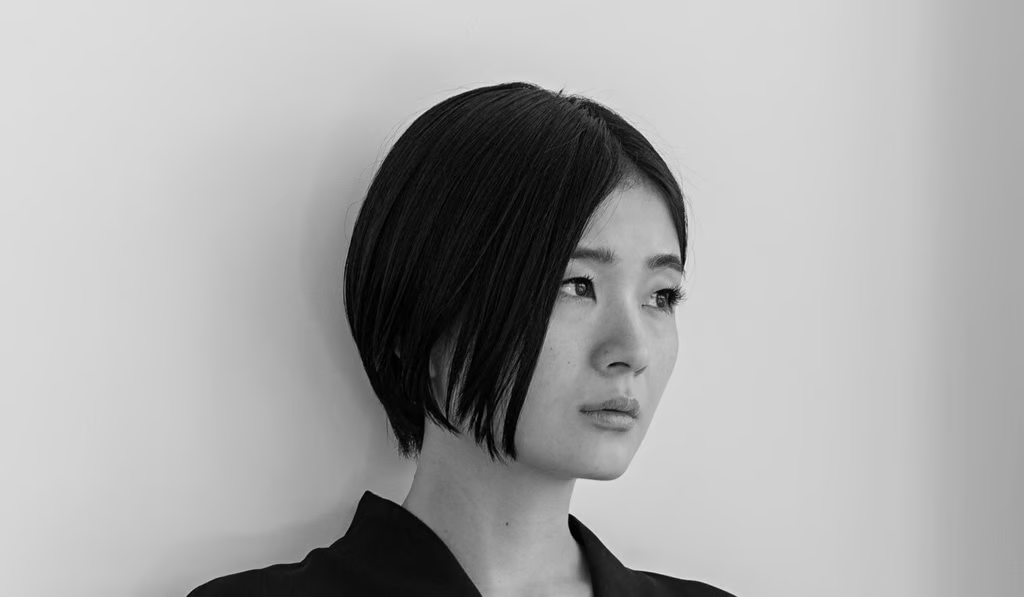
The designer behind it, Park Hwan-sung, didn’t arrive at streetwear by accident. He spent eight years living in London, earning a master’s degree at Central Saint Martins, and interning across three of menswear’s most instructive extremes , Tom Ford, Burberry, and Alexander McQueen. He’s said he learned two very different things from that stretch: creativity, from McQueen, and how to take something old-fashioned and give it a genuinely high-end touch, from Ford. That combination , McQueen’s instinct for disruption paired with Ford’s obsession with refinement , is basically the whole D-Antidote formula, condensed into one sentence.
When he returned to Seoul, he didn’t try to disguise where he’d just spent nearly a decade of his life. He built the brand’s entire identity around it, coining the slogan SEOULONDON , not a marketing flourish, but a genuine statement of intent. “I am not a Londoner,” he told The Korea Times shortly after launching, “but living there for a long time, I thought I could play a role as a bridge, showing the merits of London from the viewpoint of a Korean to the people here in Seoul.” D-Antidote’s first show, an Autumn/Winter 2016 collection at Seoul Fashion Week, launched with FILA sponsoring the footwear — the opening move in a partnership that’s stayed close ever since, eventually producing a fluorescent-yellow trainer now sitting in the permanent collection of London’s Victoria and Albert Museum.
A WARDROBE BUILT ON CROSSOVER, NOT CATEGORY
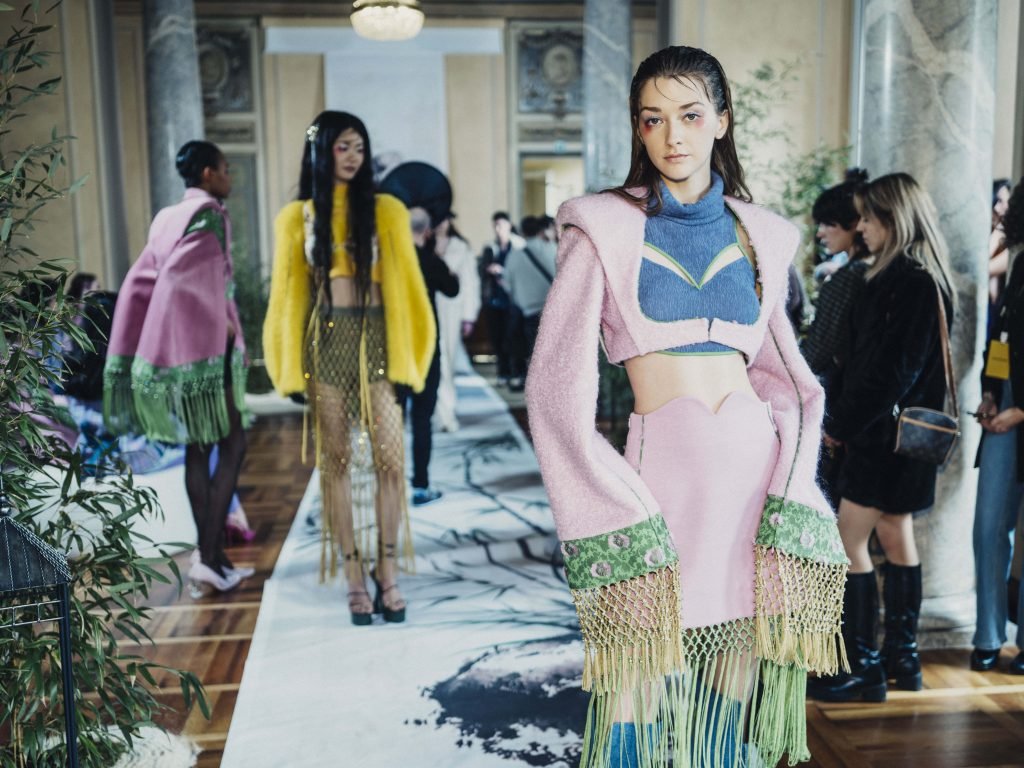
The brand’s whole design philosophy runs on collision rather than compromise. Tailoring meets sportswear. Menswear and womenswear stop behaving like separate departments. A blazer picks up the attitude of streetwear; a tracksuit suddenly reads as almost architectural; a casual piece carries real tailoring precision underneath it. Nothing stays fully inside the category it started in, and that refusal to sit still is the actual point rather than a side effect.
Even the collections’ inspirations lean directly into that London half of Park’s identity , several early D-Antidote runways drew explicitly from British music, one collection built around the raw provocation of the Sex Pistols, another shaped by The Beatles. His slogan was never abstract. It was a literal design brief he kept returning to, season after season.
A YELLOW SKIRT THAT ENDED UP IN A MUSEUM
The clearest proof of what D-Antidote was actually doing sits, oddly enough, inside a British museum. The label’s 2019 Spring/Summer collection, “Storm & Stress,” took its entire mood from Beat, a 1997 Korean film known for capturing the anger and restlessness of the country’s 1990s youth , and the resulting pieces, a pleated neon-yellow skirt, a mesh logo crop top, a matching cap, were significant enough to be acquired by London’s V&A and later displayed in its major 2022-23 exhibition, Hallyu! The Korean Wave. The museum’s own catalogue description is blunt about what the brand was doing structurally: sitting deliberately between luxury and fast fashion, building its identity on the tension between the two cities that shaped its founder’s entire career.
GENDERLESS BY INSTINCT, NOT BY ANNOUNCEMENT
Gender plays a quiet but constant role in how the clothes actually move. D-Antidote has never made a production out of “genderless” as a marketing angle , it’s simply built pieces that pass easily between traditionally masculine and feminine codes, which tracks with how Seoul’s own street style has behaved for years.
A man in an oversized silhouette with delicate accessories, a woman in sharp tailoring paired with enormous trainers , nobody in that city needs a garment to announce who it was designed for. It just needs to look right on whoever’s actually wearing it, and D-Antidote has built an entire wardrobe on trusting that instinct rather than explaining it.
A LABEL THAT NEVER NEEDED TO BORROW CREDIBILITY
The recognition followed naturally. The brand became a genuine favourite among K-pop circles, with members of SHINee and Super Junior among its early wearers, and it was selected for the Seoul Design Foundation’s 10 Soul programme, which brought a curated group of the city’s standout designers to an international pop-up in Berlin ahead of the label’s growing presence abroad. None of that reads as a brand chasing legitimacy from outside validation , D-Antidote already existed comfortably between fashion and sport long before the FILA partnership made that positioning official. It didn’t need to borrow credibility from either world. It had simply been operating in the overlap since its very first runway.
THE CITY THAT MADE THIS INEVITABLE
That overlap is really what makes D-Antidote feel so specifically Seoul, beyond geography alone. The city itself runs on exactly this kind of crossover , traditional and futuristic, luxury and underground, K-pop and skate culture and contemporary art and nightlife all occupying the same visual ecosystem without anyone insisting they stay separated.
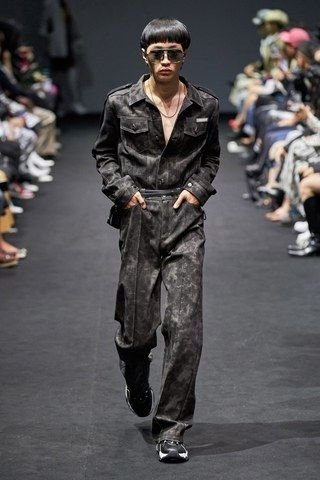
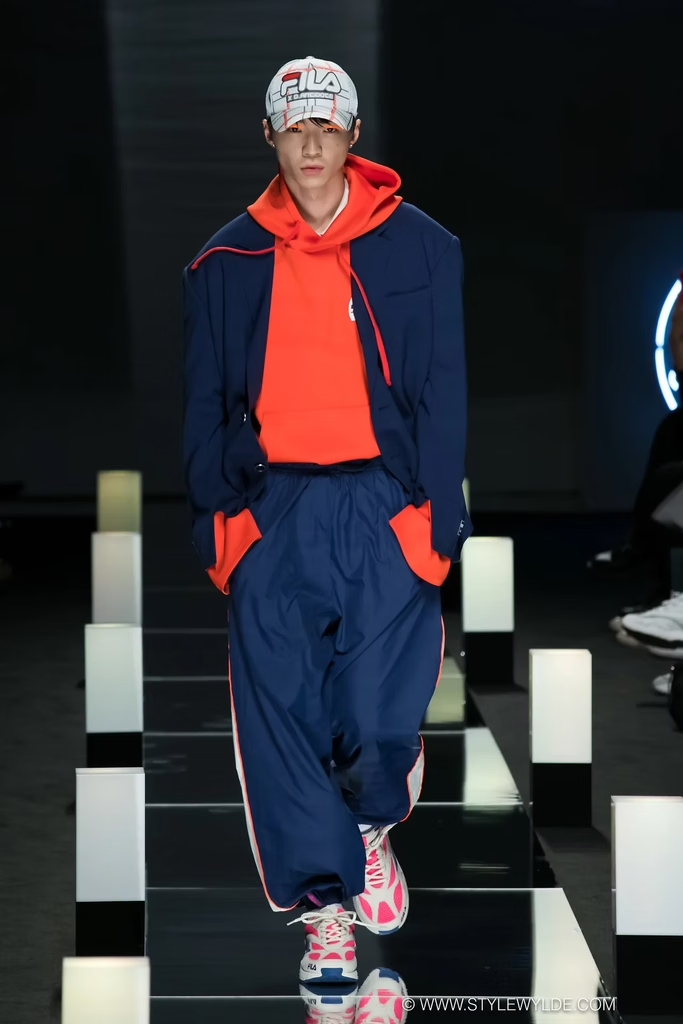
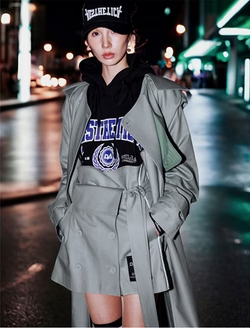
D-Antidote doesn’t try to untangle those influences. It just reflects them back, which is part of why the clothes read as genuinely contemporary rather than performing “futuristic” for effect. The future in Seoul, more often than not, looks like someone walking through Seongsu in an oversized jacket and immaculately cut trousers , not science fiction, just Tuesday
A BIGGER STAGE THAN IT STARTED ON
Seoul Fashion Week itself has grown considerably since D-Antidote’s first FW16 show , its most recent 2026 F/W edition, held at Dongdaemun Design Plaza, generated $7.54 million in order consultations with 99 international buyers from 23 countries in attendance, part of a steady multi-season climb the city’s own government has been tracking closely. The event has shifted from a primarily domestic showcase into something closer to genuine international infrastructure — buyers, not just press, arriving specifically to place orders. D-Antidote belongs to the generation of Korean labels that helped make that shift plausible, treating the international conversation as something to build toward from day one rather than something to wait for permission to join.
AN ANTIDOTE TO PREDICTABILITY, NOT TO FASHION ITSELF
The name suggests exactly what the brand has spent a decade delivering: an antidote to fashion that gets consumed too fast, trends that explode across a feed and vanish just as quickly. D-Antidote was never particularly interested in making something simply because it happened to be trending that month. Park built a label instead around genuine crossover , tailoring’s precision borrowed by streetwear, streetwear’s ease borrowed by tailoring, two cities and eight formative years distilled into one recurring slogan. Ten years on, SEOULONDON still reads less like branding and more like the most honest one-word summary of what the whole label has actually been doing the entire time.
All images featured in this article are credited to owners . They are used for editorial and illustrative purposes only, with no commercial intent. All rights remain with their respective owners.