 111
111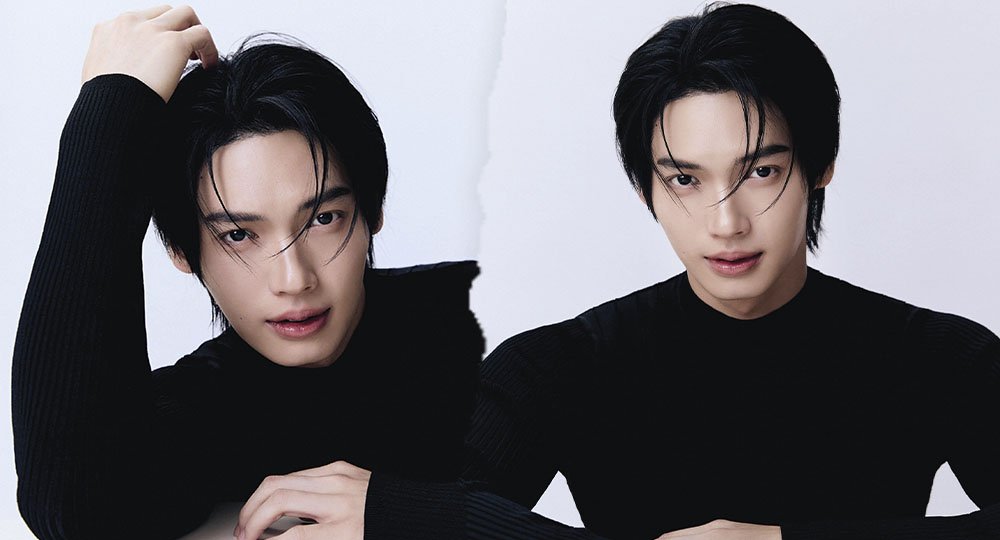 2
2 3
3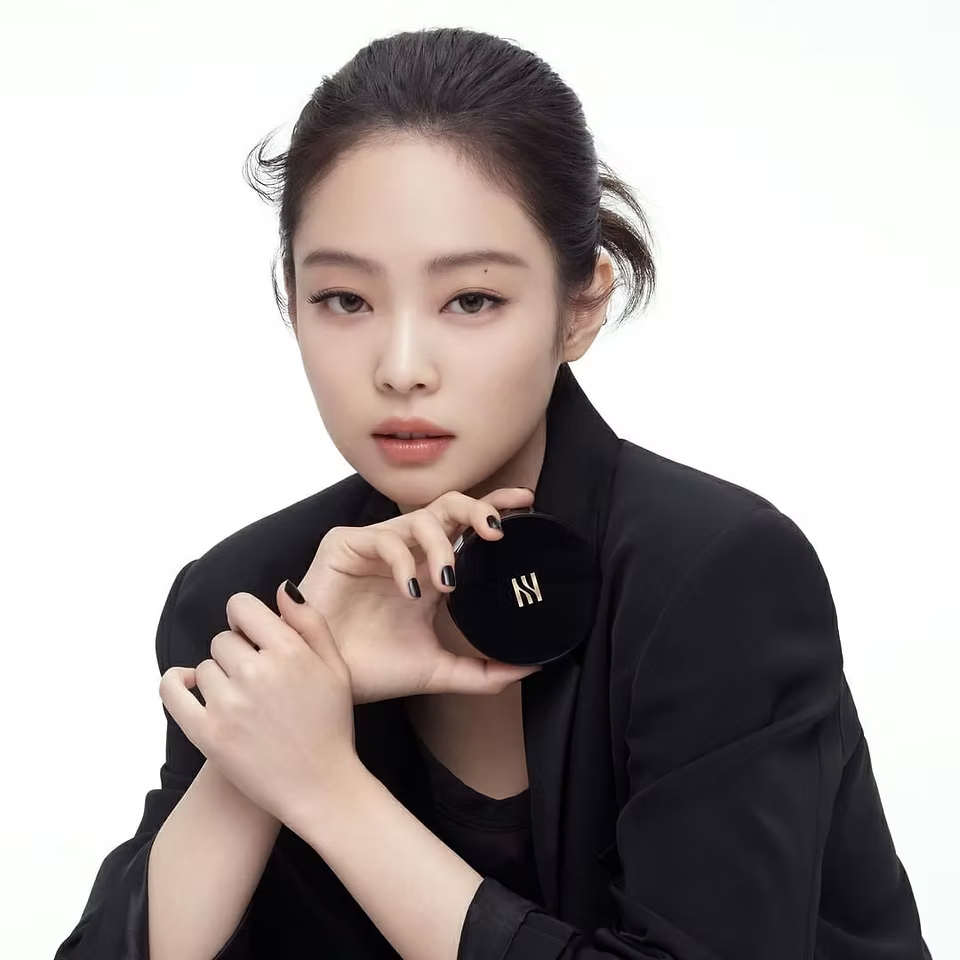 4
4 5
5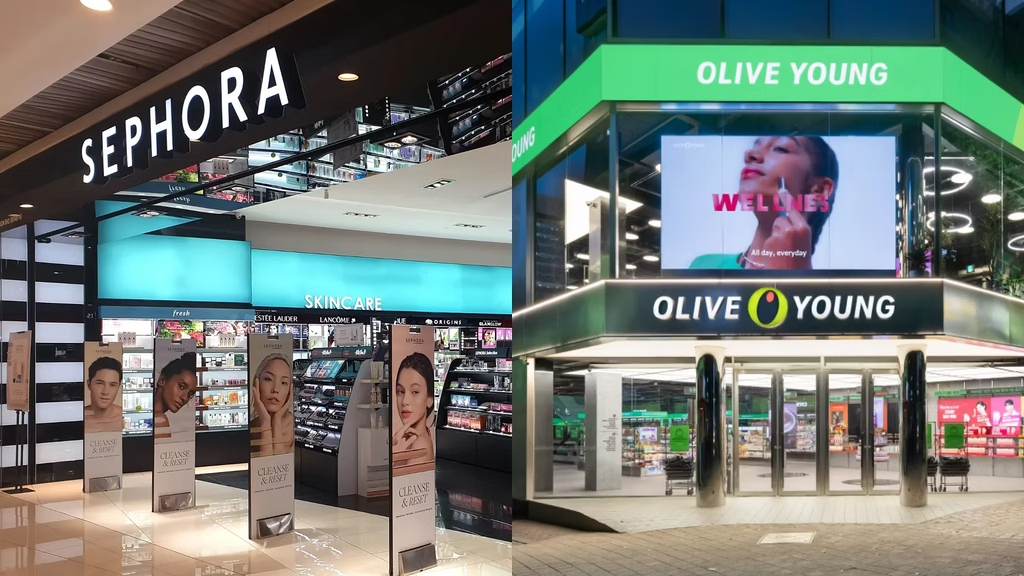 6
6 7
7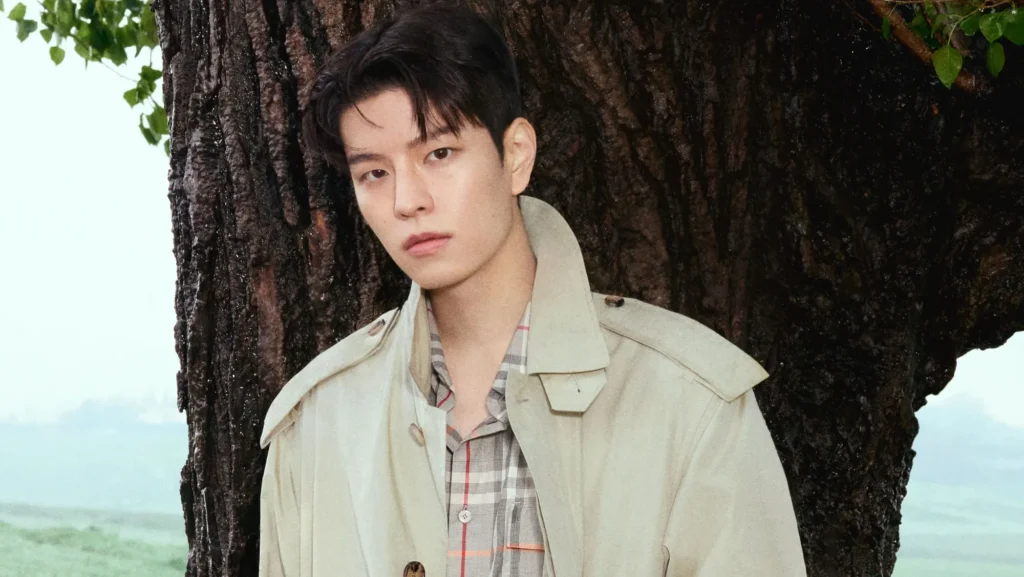 8
8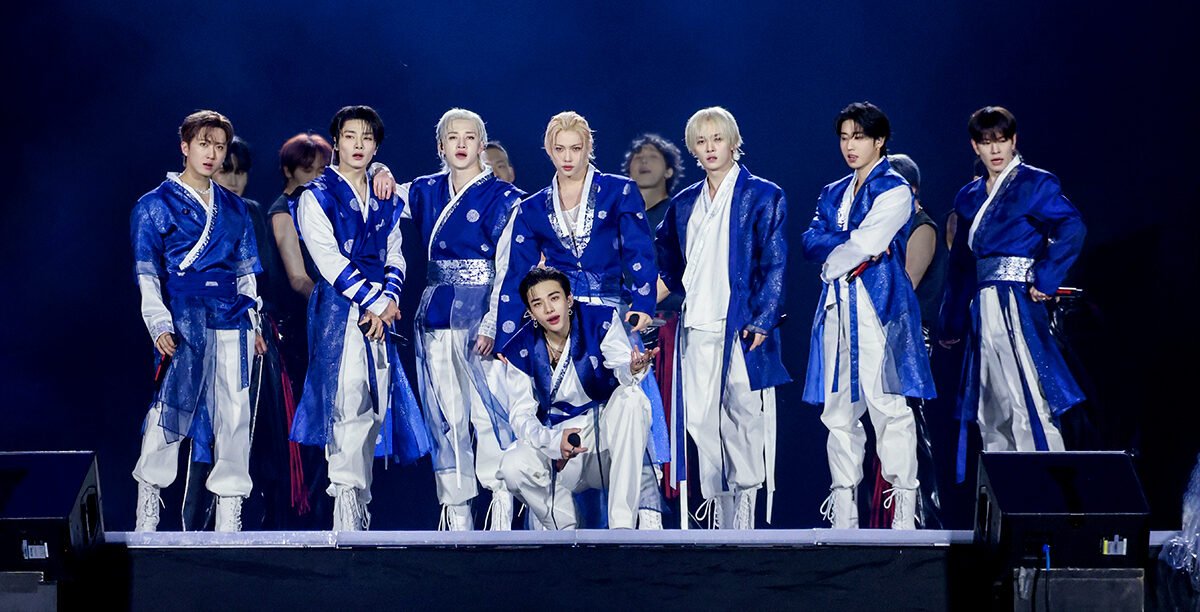
In the global lexicon of contemporary culture, South Korea no longer merely participates in trends, it defines their velocity, aesthetics, and cultural architecture. From the brutalist pop-up spaces of Seongsu-dong to the front rows of Paris Haute Couture Week, K-Style has evolved from a regional movement into the world’s most influential sartorial laboratory.
Yet, to view Korean fashion solely through the lens of recent viral internet moments is to miss its structural genius. At its core, Korean style represents a profound philosophy of the canvas (Kanvas): a blank, resilient surface onto which centuries of textile heritage, subcultural rebellion, digital-first innovation, and hyper-modern luxury are continuously painted and reimagined.
Here is the definitive, in-depth analysis of how South Korea built the ultimate global fashion engine.
Long before Seoul became a global fashion capital, the Korean people were historically known across East Asia as Baek-ui-min-jok (백의민족), “The White-Clad People.” For over two millennia, despite shifting dynasties and imperial bans, Koreans held a deep cultural devotion to wearing un-dyed white garments. White was not seen as an absence of color, but as the supreme symbol of purity, light, spiritual resilience, and harmony with nature.
This historical identity established the ultimate concept of the living canvas:
The global fashion industry’s obsession with South Korea is backed by extraordinary financial reality. According to landmark data from Morgan Stanley, South Korea reached a record $325 per capita annually on personal luxury goods—far surpassing spending in the United States ($280) and China ($55), making South Koreans the #1 per-capita luxury spenders on Earth.
This unprecedented market power is driven by key socioeconomic dynamics:
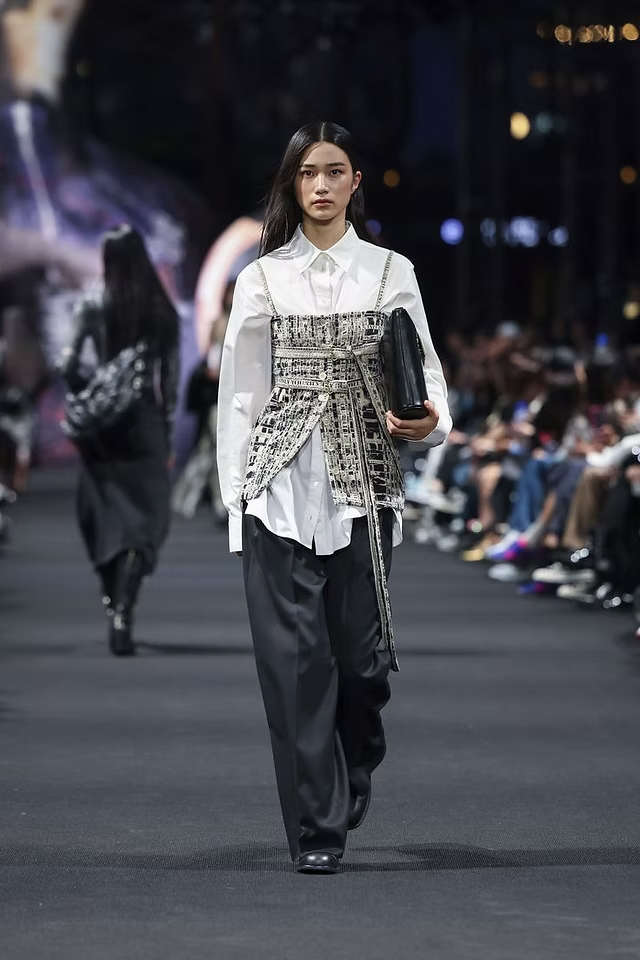
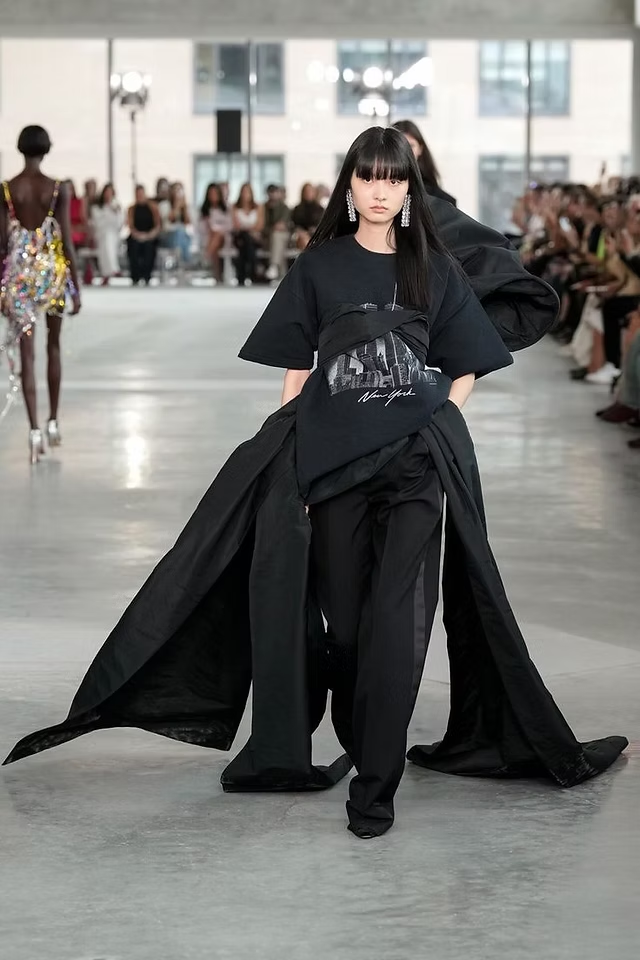
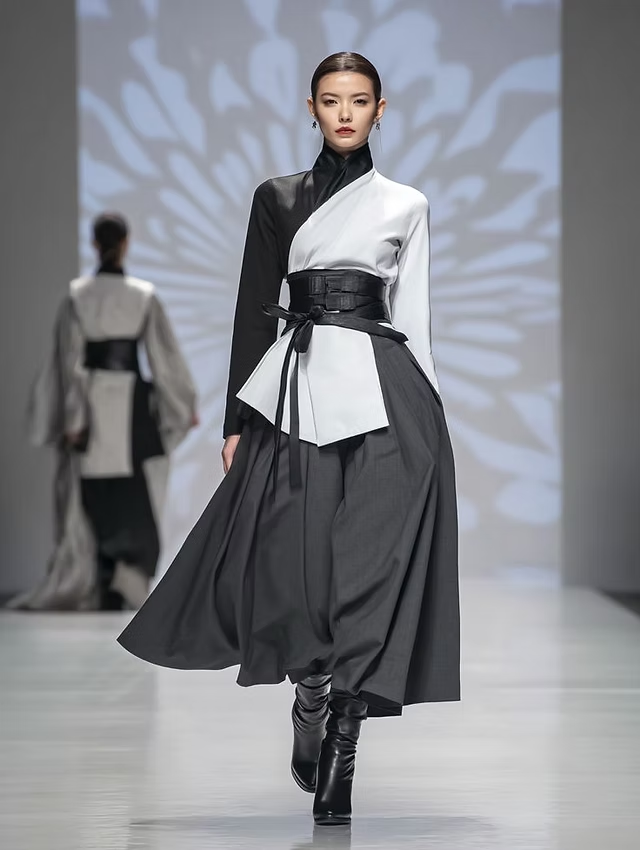
Seoul’s design supremacy rests upon an urban ecosystem where production speed, youth subculture, and architectural retail intersect across three distinct districts:
Seoul possesses a competitive advantage no Western fashion capital can replicate: the Dongdaemun Fashion District. A bustling 24-hour supply chain hub housing thousands of fabric mills, pattern makers, and ateliers, Dongdaemun enables Korean designers to take a sketch from initial design to retail sample in less than 48 hours. This hyper-speed infrastructure fuels Korea’s unmatched trend agility.
Surrounding Hongik University, Hongdae is the birthplace of Korean indie music, vintage streetwear, and gender-fluid styling. Long before mainstream Western luxury embraced fluid dressing, Hongdae street culture normalized oversized tailoring, deconstructed denim, and shared wardrobes across genders, establishing the aesthetic blueprint for modern Gen-Z streetwear.
Known as the “Brooklyn of Seoul,” Seongsu-dong transformed a district of former shoe factories and auto-repair shops into global fashion’s most innovative retail laboratory. Brands like Gentle Monster (with their monumental, museum-like spatial design) and luxury flagships like Dior Seongsu have redefined brick-and-mortar retail into immersive conceptual art galleries.
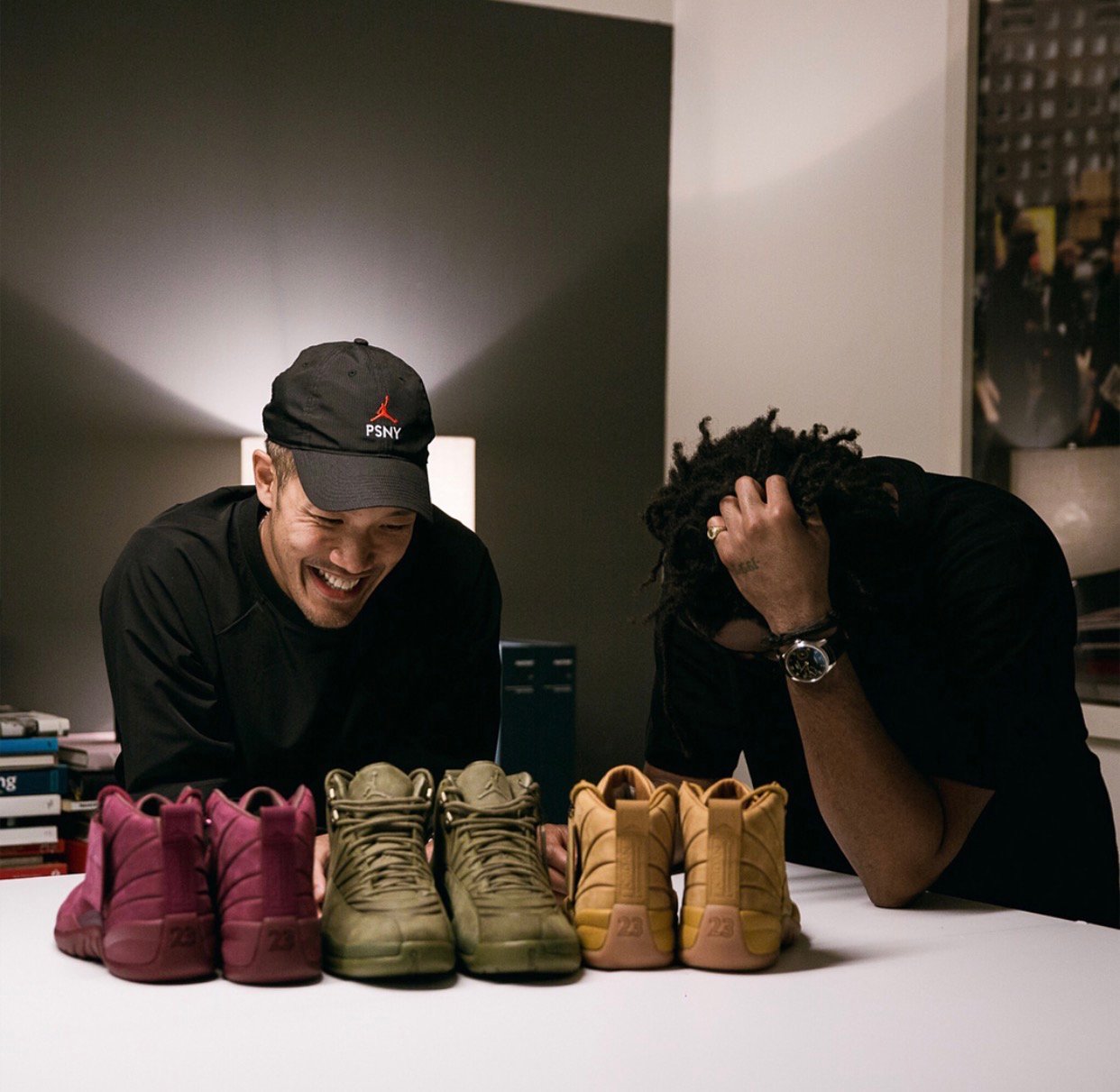
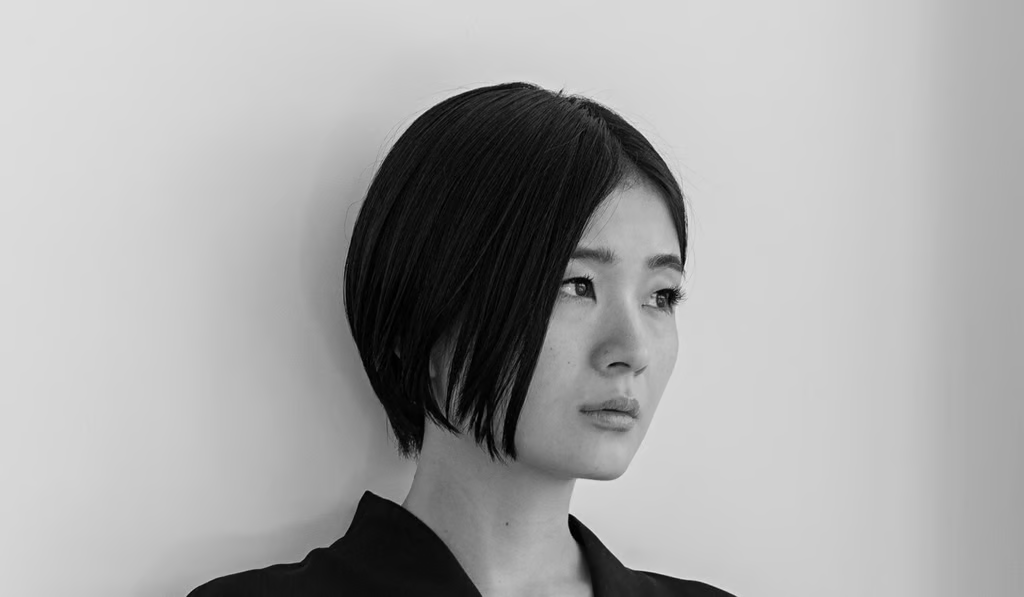
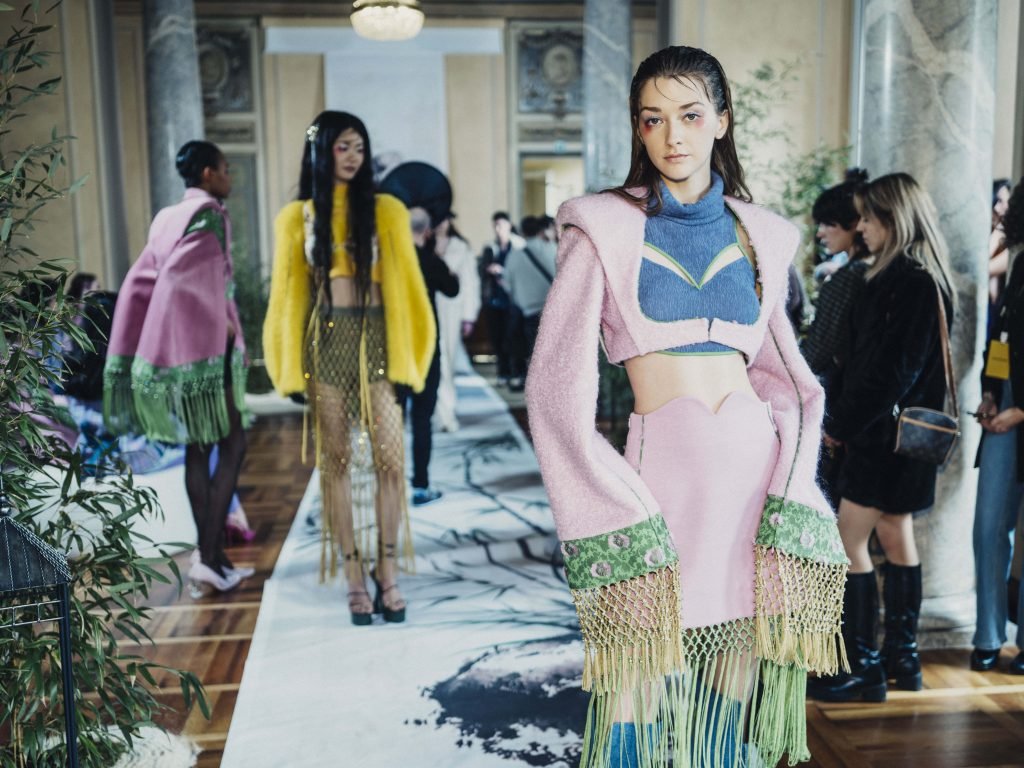
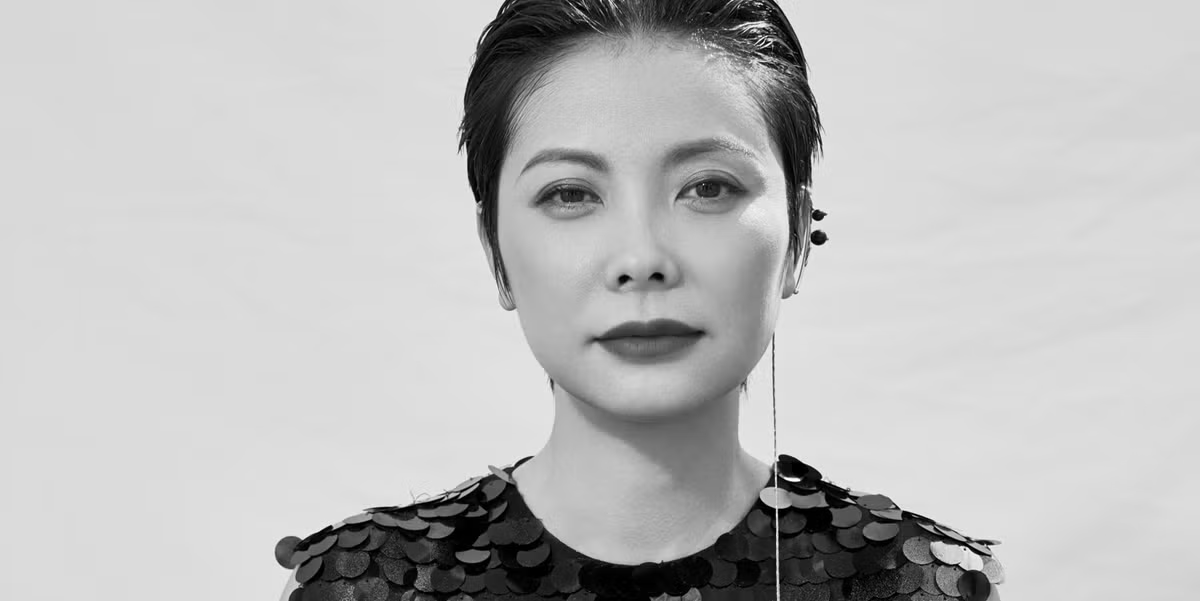
Beyond consumer trends, a generation of visionary Korean creative directors is dismantling traditional haute couture conventions across Paris, London, and New York:
The global expansion of Korean fashion cannot be separated from the meteoric rise of K-Pop. However, the true innovation lies in how K-Pop treats fashion as a core narrative language rather than mere costume design.
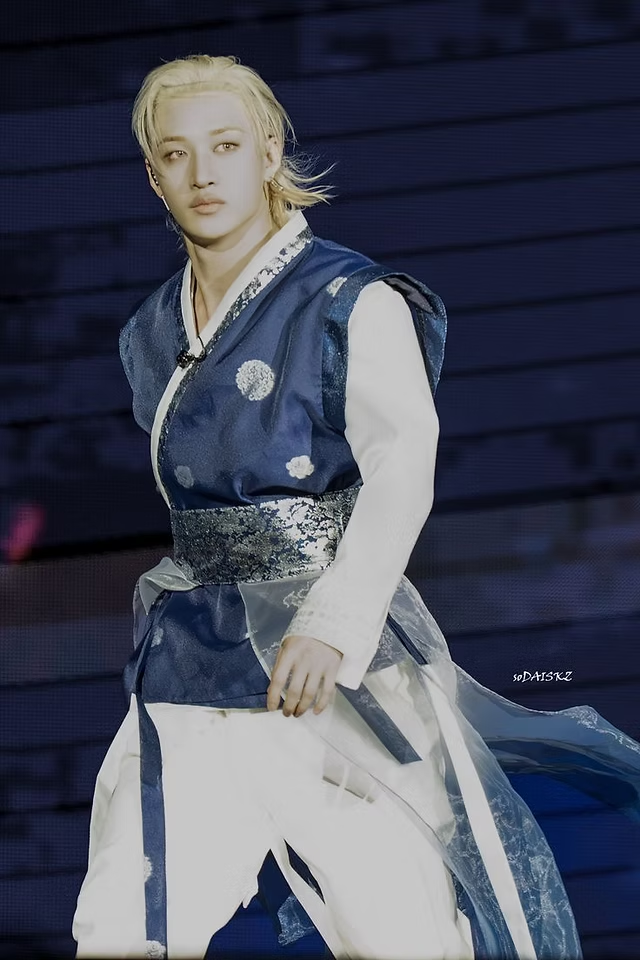
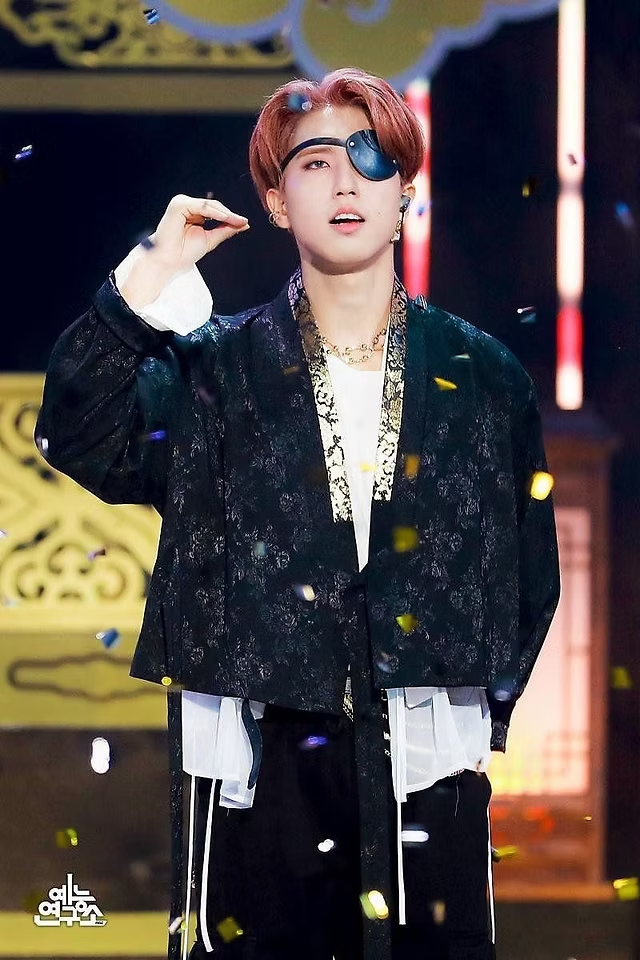
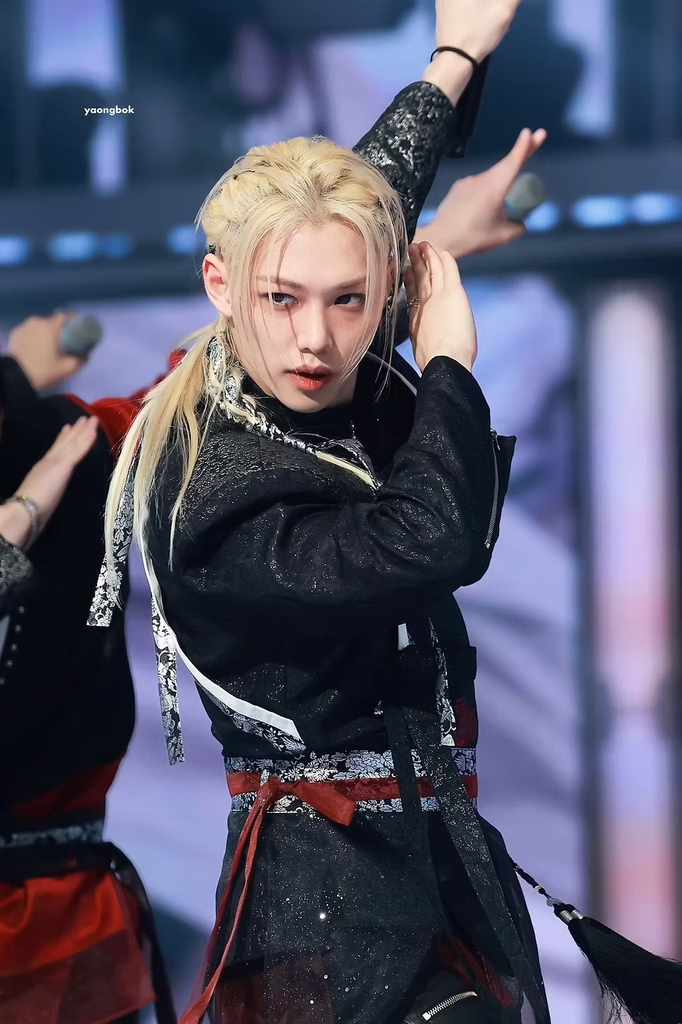
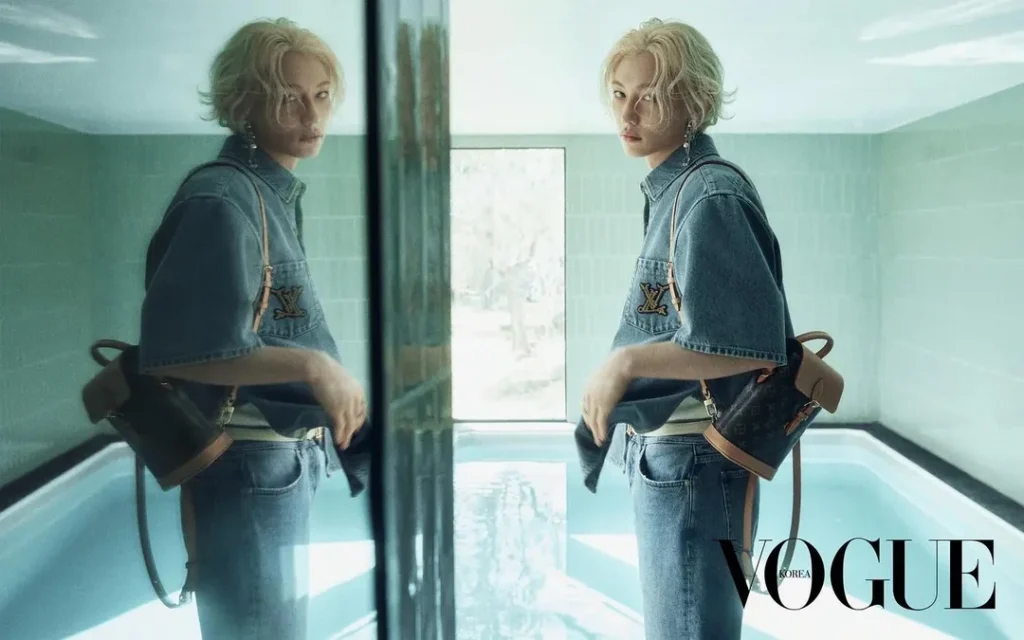
The obsession of Western luxury houses with Asian talent is no longer a regional marketing experiment—it is the central engine of 21st-century global fashion strategy. From Paris to Milan, legacy houses including Louis Vuitton, Dior, Chanel, Prada, and Gucci have fundamentally restructured their global ambassador rosters, positioning East and Southeast Asian stars at the absolute center of their worldwide narratives.
While South Korea established the initial blueprint through the global dominance of K-Pop and K-Drama stars, European luxury conglomerates quickly recognized that the cultural and economic epicenter of fashion had shifted decisively toward a broader Pan-Asian luxury alliance.
In recent years, Thailand has emerged as one of the fastest-growing powerhouses in luxury media engagement. The global explosion of Thai drama series and pop culture has propelled stars like Bright Vachirawit (Burberry), Win Metawin (Prada), Apo Nattawin and Mile Phakphum (Dior), and Jeff Satur (Valentino) directly onto front rows worldwide.
Thai ambassadors bring an unprecedented level of real-time digital engagement and passionate fan mobilization. When Thai talent attends Paris or Milan Fashion Weeks, their dedicated fan bases generate record-breaking Media Impact Value (MIV), frequently outperforming traditional Western Hollywood celebrities within hours of a runway show.
China remains an indispensable cornerstone of global luxury strategy. To capture both domestic high-net-worth consumers and international Gen-Z fashion enthusiasts, fashion houses rely heavily on top-tier Chinese screen actors and global icons.
Figures like Xiao Zhan (Gucci, Tod’s), Wang Yibo (Chanel), Liu Yifei (Louis Vuitton), and Jackson Wang (Louis Vuitton, Cartier) command immense cultural authority. Their appointments represent a vital bridge between centuries-old European craftsmanship and the vast purchasing power of Asia’s largest luxury consumer market.
For modern luxury CEOs and Creative Directors, appointing Pan-Asian ambassadors accomplishes three critical objectives:
This monographic reveals the foundational reason Fashionable Kanvas exists.
Fashion is no longer a one-way broadcast from traditional European houses. It is a dynamic, living Kanvas where regional heritage, subcultural street level energy, digital technology, and high fashion collide. South Korea proved to the world that when you treat identity as an open canvas, unafraid to erase boundaries between the traditional and the futuristic, you can transform global culture forever.
As Fashionable Kanvas continues to document the intersections of high fashion, music, design, and pop culture, this vision remains our guiding North Star.
All images featured in this article are credited to owners . They are used for editorial and illustrative purposes only, with no commercial intent. All rights remain with their respective owners.