 111
111 2
2 3
3 4
4 5
5 6
6 7
7 8
8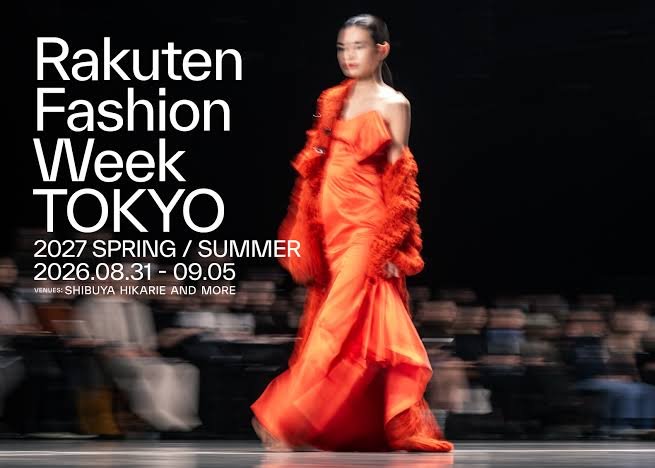
There is a quiet revolution happening on the streets of Tokyo. From August 31 to September 5, 2026, the city hosted its Spring/Summer 2027 Rakuten Fashion Week. Markedly moving away from purely digital spaces to focus entirely on physical, tactile experiences, the Japan Fashion Week Organization (JFWO) took its first steps into its next 20-year chapter. But the real magic of this season wasn’t just about the schedule; it was about the profound human stories, the deep respect for craftsmanship, and the cultural bridges built across East and Southeast Asia.
Here, fashion felt less like an elite closed-door club and more like a shared, living canvas of our collective memories.
In an industry that often moves at a dizzying, machine-like speed, several designers in Tokyo chose to pause and celebrate the slow, imperfect touch of human hands.
Chun-Yuan Jean, the Taiwanese force behind C JEAN, turned her Tokyo debut into an intimate conversation. Under her presentation titled “THE ATELIER IS OPEN,” she invited the public directly into her creative sanctuary, assembling a garment live in front of visitors so they could witness the physical labor and passage of time built into clothing. In her exhibition spaces, she showcased a stunning dialogue between Taiwanese lacquer art and Kyoto’s traditional wax-resist rōketsu-zome dyeing technique. It was a beautiful reminder that a piece of clothing is never just a product—it is a physical vessel for cultural memory and the warmth of a craftsman’s touch.
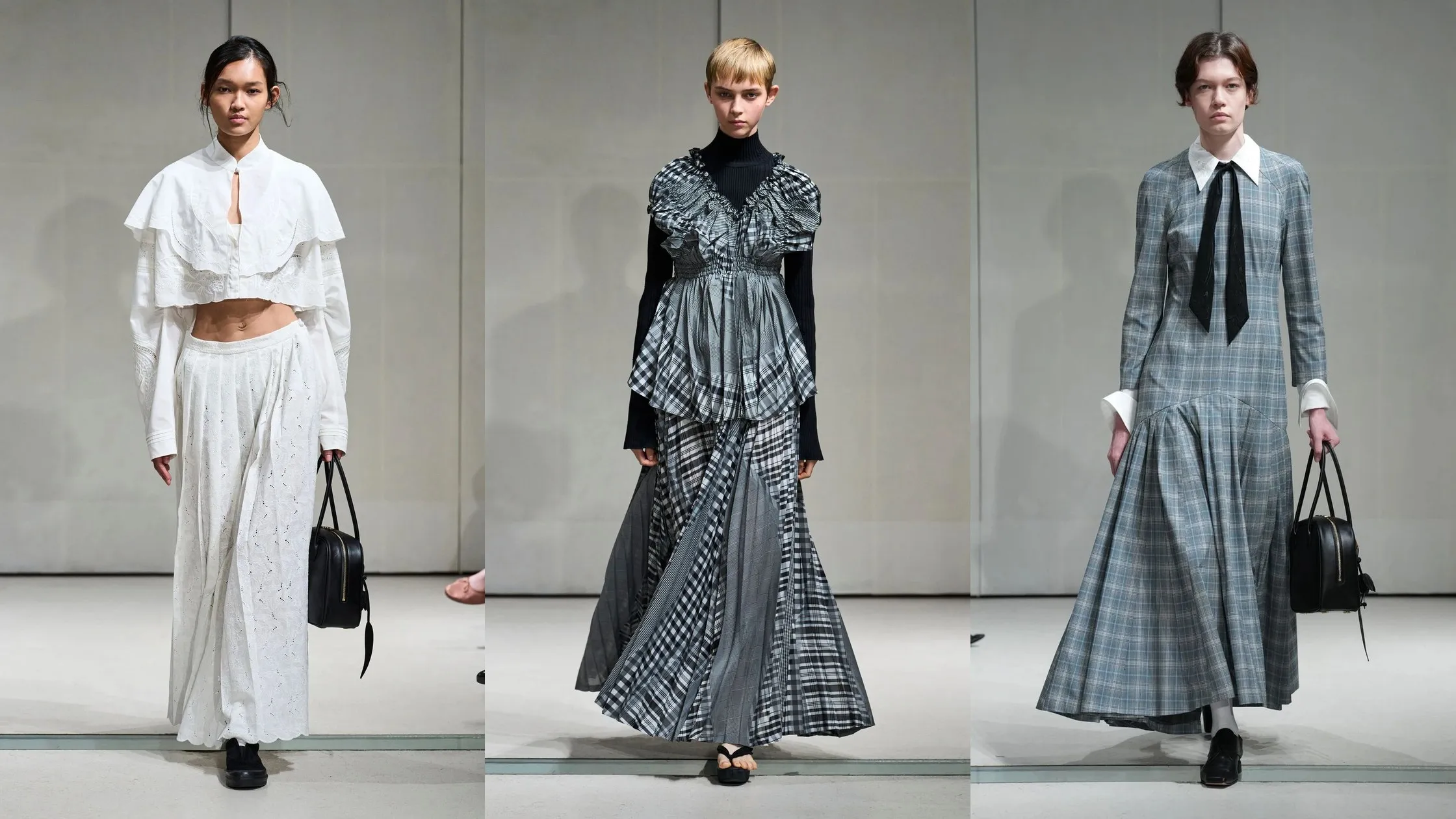
A similar tenderness defined pillings, the label by Ryota Murakami. Murakami’s work is deeply personal, collaborating directly with Japanese hand-knitting artisans to turn knitwear into a canvas of human emotion. For his collection, “Landscapes2,” he looked at the quiet, mundane realities of daily Japanese life, weaving garments that exist in the soft space between reality, memory, and fantasy. By treating craftsmanship not as a trend but as an act of affection, pillings gave the runway a sense of profound intimacy and human touch.
Further south, Southeast Asian designers brought an infectious sense of joy, color, and diplomatic friendship to the heart of Shibuya.
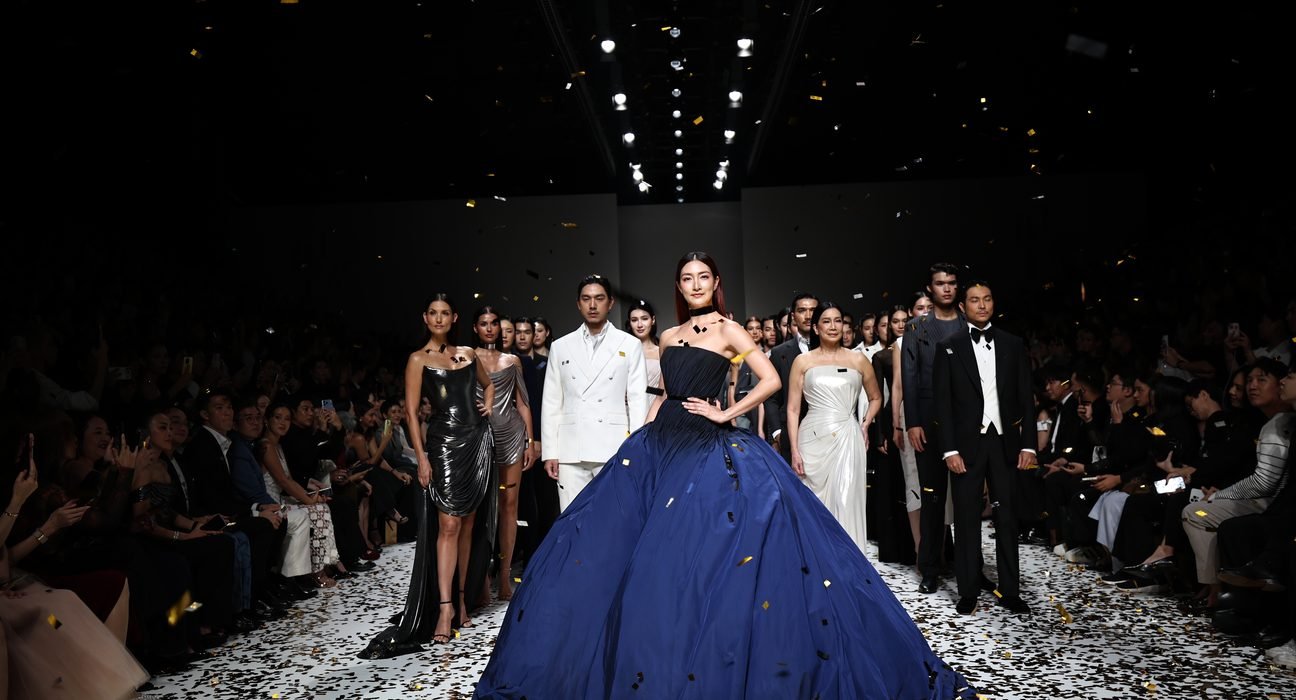
Thailand’s WISHARAWISH, led by Wisharawish Akarasantisook, delivered a love letter to sweet simplicity with his collection, “Salade de fruits”. Inspired by a simple Bourvil song about love and warmth, his runway was a bright celebration of the little moments that bring happiness back into our lives. He balanced botanical prints in candy colors with fluid silks and his signature handwoven Thai silks featuring metallic threads and custom batik. It was a collection that didn’t demand intellectual over-analysis; it simply invited the viewer to smile and live in the moment.
Meanwhile, BENCH/, the iconic lifestyle brand from the Philippines, marked the 70th anniversary of Philippines–Japan relations with a landmark collective show called “Threads of Dreams”. Bringing Filipino designers Rhett Eala, Jaggy Glarino, and Joey Samson to present in Japan for the very first time, the show was a vibrant exploration of shared traditions and cultural exchange. It proved that fashion can be a powerful diplomatic tool—a way to weave shared dreams across borders and remind us of the history that connects us.
For those seeking theatrical, architectural, and gender-inclusive expressions, the physical spaces of Tokyo became extensions of the designers’ inner worlds.
As Tokyo Fashion Week closes this chapter, it leaves us with an enduring feeling: fashion is at its best when it lets us feel the humanity behind the seams. By welcoming diverse pan-Asian voices,from the handwoven textiles of Thailand to the deconstructed men’s tailoring of Taiwan, Tokyo has proved that we don’t need pedantic concepts to make a statement. Sometimes, all we need is a thread, a memory, and the courage to share it with the world.