Few names in fashion carry the weight, history and cultural resonance of Louis Vuitton. What began in 1854 as a revolutionary luggage workshop in Paris has become one of the most influential luxury houses in the world , a brand synonymous not just with status, but with craftsmanship, innovation and cross-cultural collaboration.
1854–1896: Craftsmanship & the Birth of a Legacy
Louis Vuitton was born in 1821 in rural France, where he developed an early appreciation for craftsmanship that would define his career. In 1854, he opened his first workshop on Rue Neuve des Capucines in Paris, introducing flat-topped trunks made of lightweight, airtight canvas. These trunks were easier to stack and transport , a practical innovation that immediately distinguished Vuitton from the traditional, bulky travel luggage of the era.
Within just a few years, Vuitton’s reputation grew. In 1859, he built a purpose-made atelier in Asnières-sur-Seine, which remains a center of craftsmanship for the brand to this day. After his death in 1892, his son Georges Vuitton took over and began transforming the business into an international force. In 1896, Georges introduced the iconic Monogram Canvas, featuring the LV initials alongside floral motifs — a design inspired in part by contemporary tastes for Japanese decorative arts and a strategic move to curb counterfeiting.
1900s–1980s: Expansion, Innovation & Global Reach
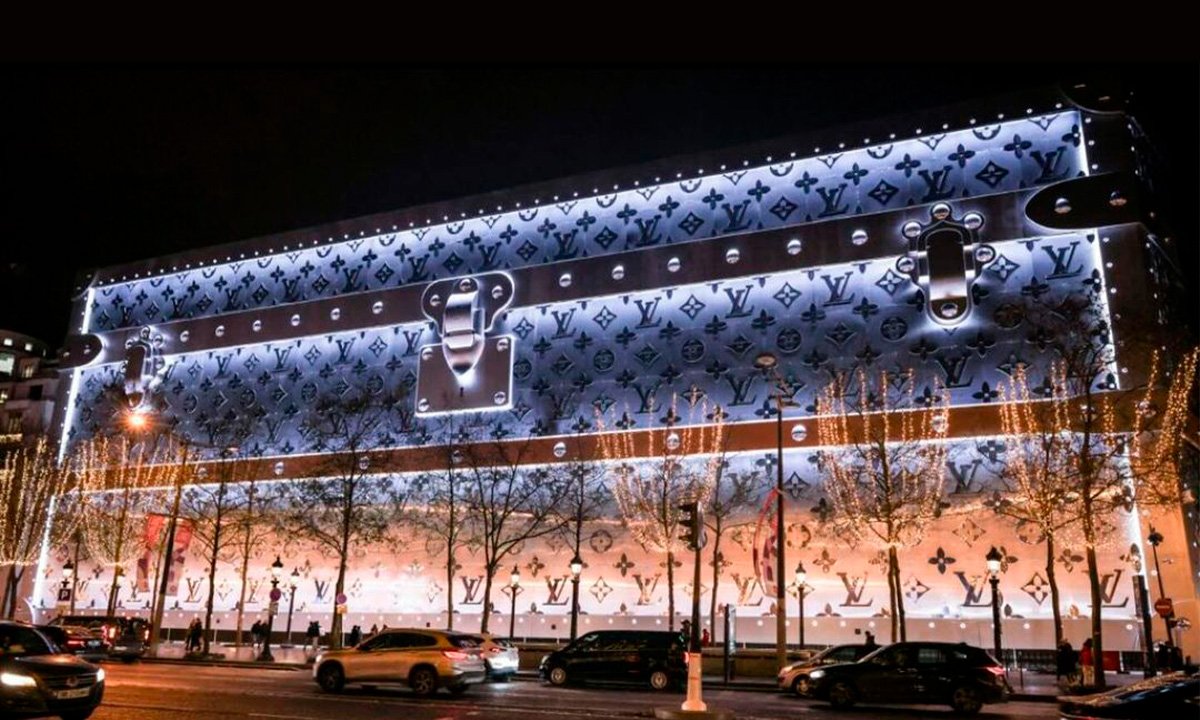
By the early 20th century, Louis Vuitton was no longer just luggage — the brand was synonymous with luxury travel. In 1913, the flagship store opened on Avenue des Champs-Élysées in Paris, signaling the brand’s rise in the global fashion consciousness.
The mid-20th century saw LV expand its materials and products, introducing softer canvas and leather goods that broadened its appeal. In 1987, Vuitton became part of LVMH (Moët Hennessy Louis Vuitton), a luxury conglomerate that positioned the brand for exponential global growth.
By the 1980s, Louis Vuitton had expanded into Asia, opening stores in Tokyo and Osaka in 1978, and later Taipéi and Seoul in the early 1980s moves that would lay the groundwork for the brand’s deep cultural engagement in the region decades later.
1997–2000s: Artistic Direction & Pop Culture Infusion
A major turning point came in 1997 with the appointment of Marc Jacobs as Artistic Director. Jacobs brought a bold vision that expanded Vuitton beyond luggage and accessories into clothing and limited-edition cultural collaborations.
One of the earliest examples was the partnership with Stephen Sprouse in 2001, who overlayed graffiti on classic Monogram Canvas pieces , a radical move that fused street culture with heritage luxury. Shortly after, in 2003, Jacobs invited Japanese artist Takashi Murakami to collaborate on a new interpretation of the LV Monogram.
Murakami’s playful, pop-inspired designs featuring the Monogram Multicolore and motifs like cherry blossoms and pandas reframed Louis Vuitton for a younger, culturally savvy audience. It wasn’t just fashion; it was wearable art. This collaboration became a defining moment in early 21st-century luxury, and its legacy persists with Louis Vuitton even relaunching the collaboration in 2025 with over 200 pieces revisiting the original aesthetic.
In the following years, LV continued to explore artistic collaborations, including projects with Yayoi Kusama whose signature dots adorned bags and accessories and others that blurred the boundaries between fine art and fashion.
Louis Vuitton & Japan: A Deep Cultural Dialogue
Louis Vuitton’s ties with Japan go beyond occasional collaborations. The brand’s history reveals a long-standing appreciation for Japanese aesthetics from early Monogram influences to cultural exhibitions like Visionary Journeys, which celebrated LV’s heritage and creative evolution through installations and curated objects, including works by Japanese artists such as Rei Kawakubo and Murakami.
This dialogue has been both conceptual and commercial, strengthening the brand’s presence in Asia while respecting regional creativity and history a strategy that continues to resonate with global audiences.
Louis Vuitton in the 21st Century: Innovation, Culture & Influence
Today, Louis Vuitton is consistently ranked among the most valuable luxury brands in the world, with a brand valuation reaching over $29 billion USD in 2017 a testament to its enduring cultural influence and commercial strength.
LV’s strategy has evolved to embrace multidisciplinary storytelling. It isn’t just about handbags or runway shows it’s about cultural moments. From immersive exhibitions to pop-ups that engage art and fashion alike, Vuitton has expanded how luxury is experienced.
In 2026, the brand celebrated the 130th anniversary of the Monogram, underscoring how a 19th-century design continues to shape the future of luxury by inspiring collaborations spanning art, fashion and pop culture.
Louis Vuitton & Korean Influence: A Modern Cultural Strategy
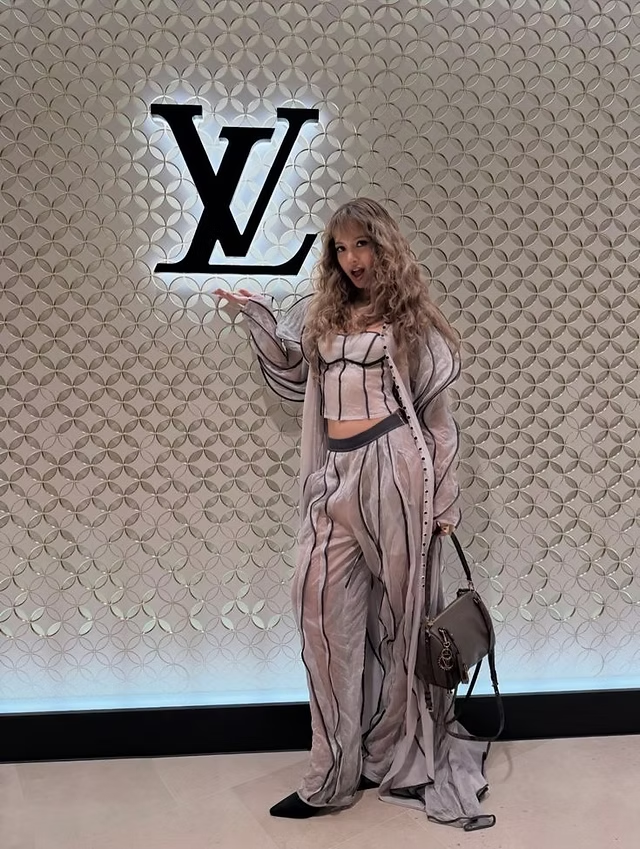
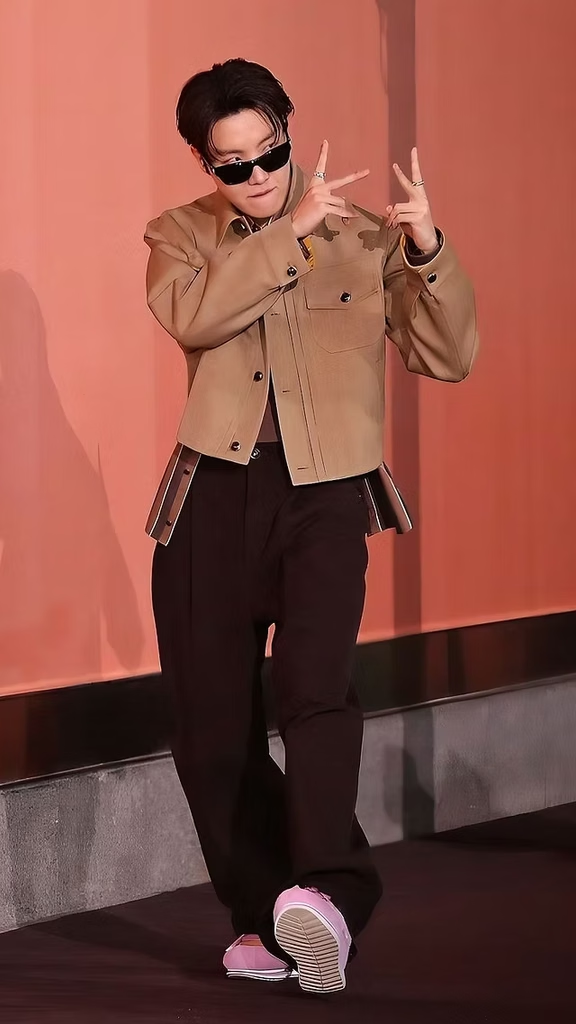
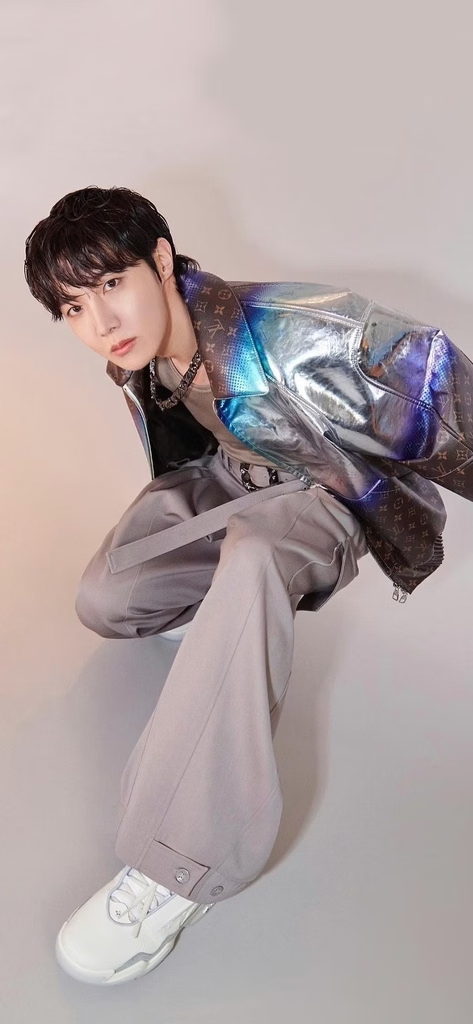
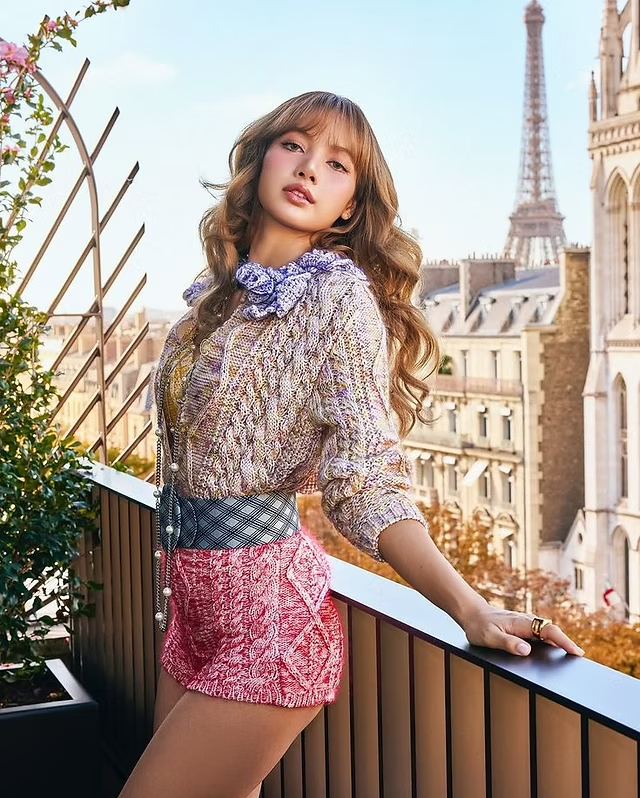
In recent years, LV has strategically aligned itself with Korean cultural power particularly through ambassador roles and prominent partnerships. In 2024, global superstar Lisa of BLACKPINK was announced as a Louis Vuitton House Ambassador, representing the brand in major campaigns and reinforcing its relevance among Gen Z and global luxury consumers.
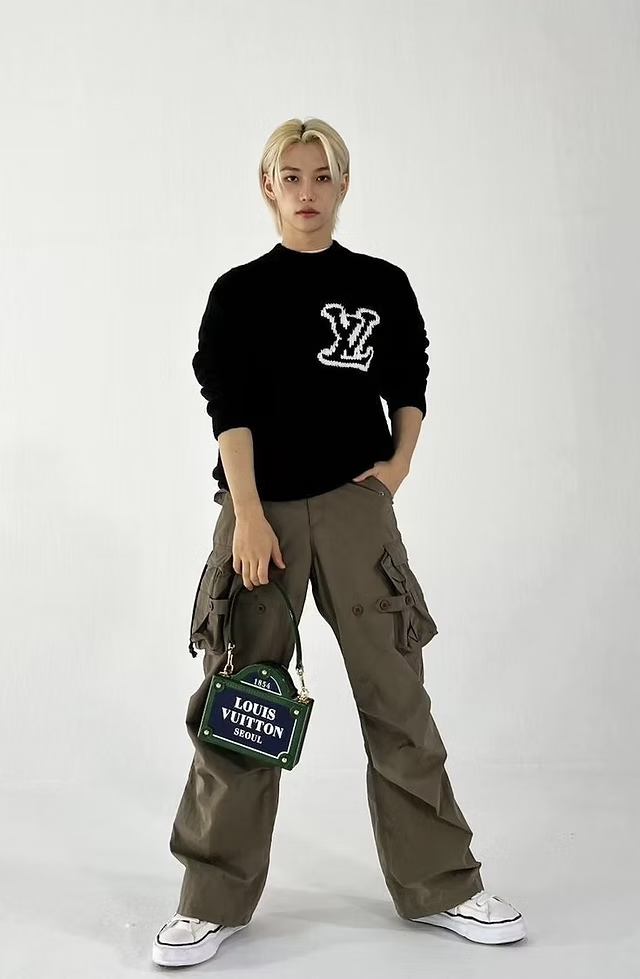
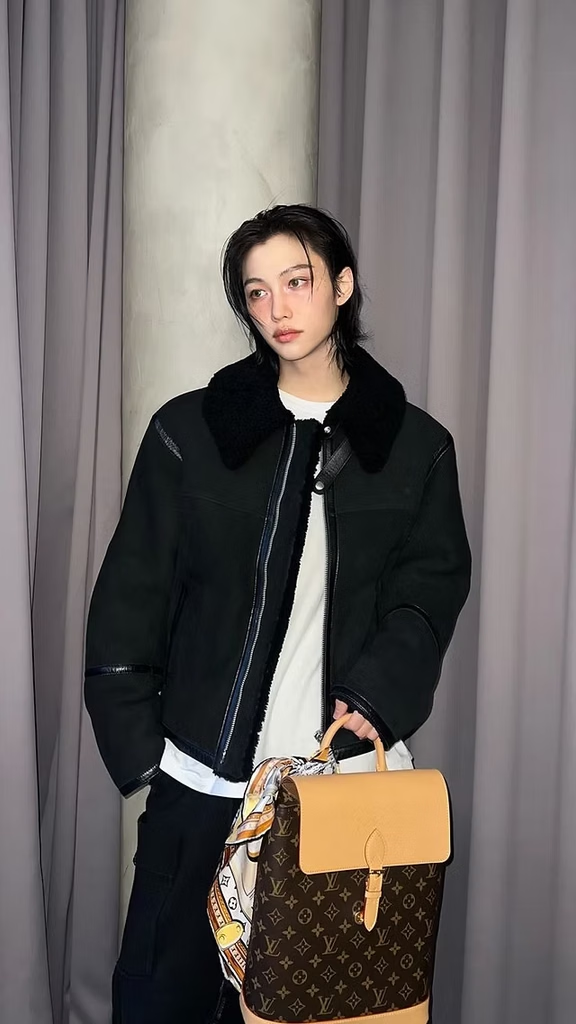
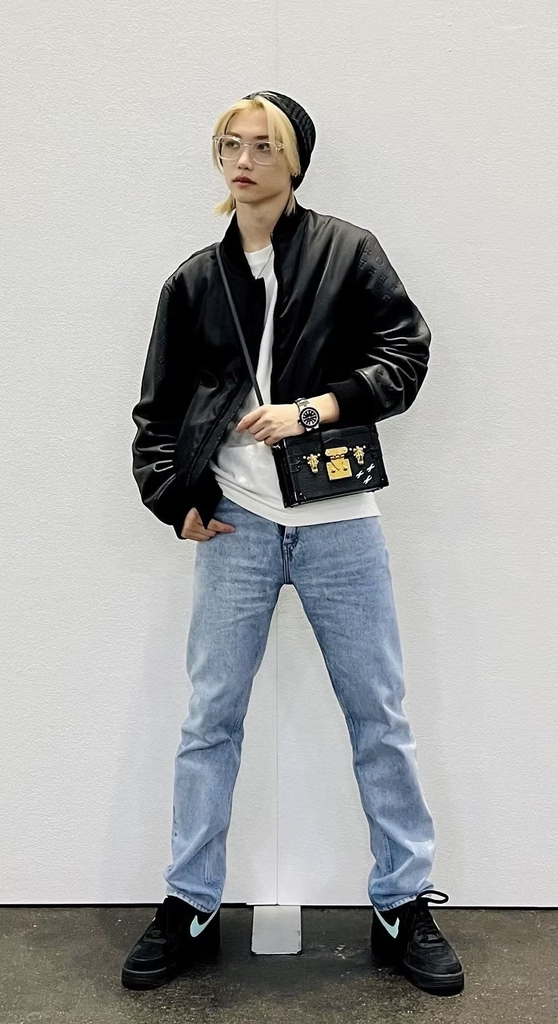
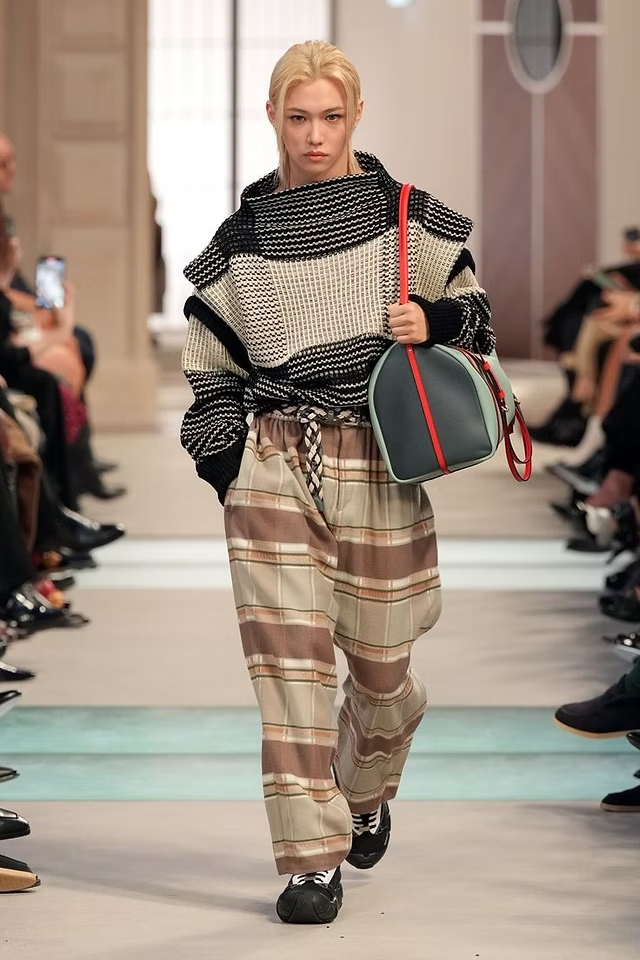
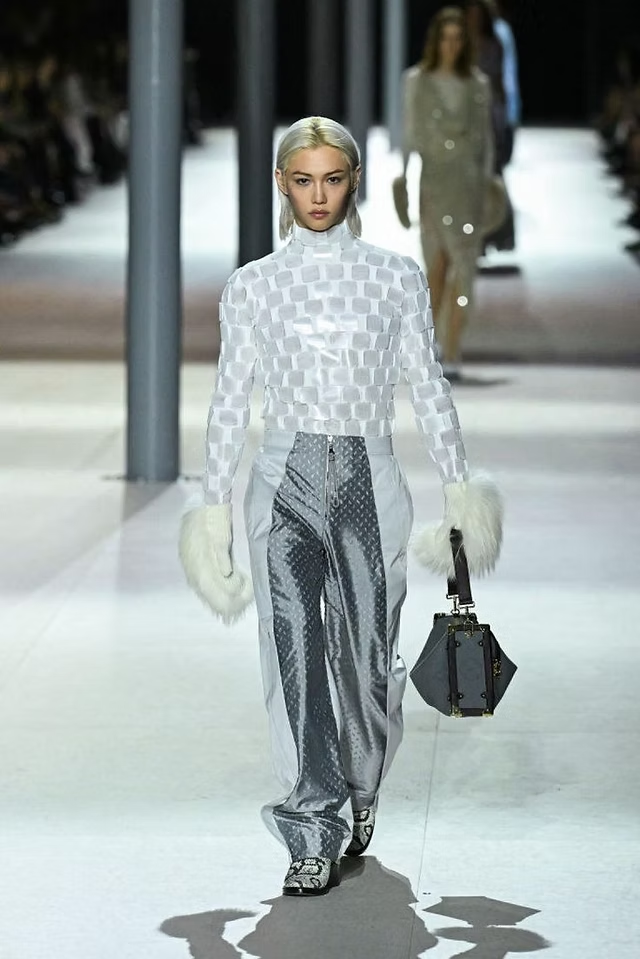
Notably, during Paris Fashion Week Fall-Winter 2025–26, Stray Kids’ Felix Lee emerged as a Louis Vuitton muse, walking for the brand and embodying its aesthetic on a global platform. His social media reach in the tens of millions highlights how LV is leveraging cultural influence and fandom to deepen emotional resonance with younger audiences, particularly across Asia.
Why Louis Vuitton Still Matters
Louis Vuitton’s story is not just about fashion. It is a narrative of:
- Innovation — from luggage engineering to haute couture
- Cultural collaboration — bridging art and fashion across continents
- Craftsmanship — a legacy passed from workshop to global ateliers
- Strategic cultural engagement — from Japan to Korea and beyond
- A brand identity that evolves with each generation
What began as a solution for travelers has become a global symbol of creativity and aspiration not because it stayed the same, but because it consistently reinvented itself without losing its roots.
Conclusion
Louis Vuitton’s journey from a Parisian trunk maker to a global luxury powerhouse spans nearly 170 years. Its legacy of craftsmanship, cultural relevance and strategic reinvention has kept it at the forefront of luxury fashion. Whether through landmark collaborations with artists like Takashi Murakami or modern partnerships with Korean cultural icons, Vuitton continues to define what it means to be truly timeless and ever aspirational.