 111
111 2
2 3
3 4
4 5
5 6
6 7
7 8
8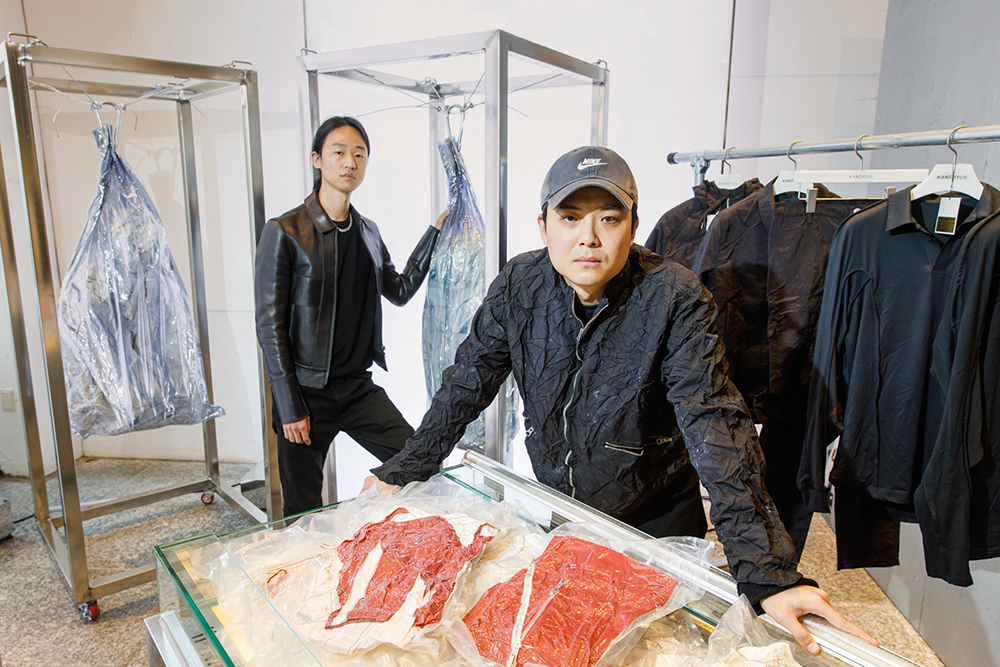
Fashion has always had a complicated relationship with waste. The industry loves talking about newness, but most of the time “newness” just means manufacturing something that didn’t exist yesterday , a new fabric, a new silhouette, a new collection built to make the previous one feel finished. KANGHYUK looked at that whole premise sideways and asked a different question entirely: what if the interesting material wasn’t something new at all? What if it was something everyone had already agreed wasn’t beautiful?
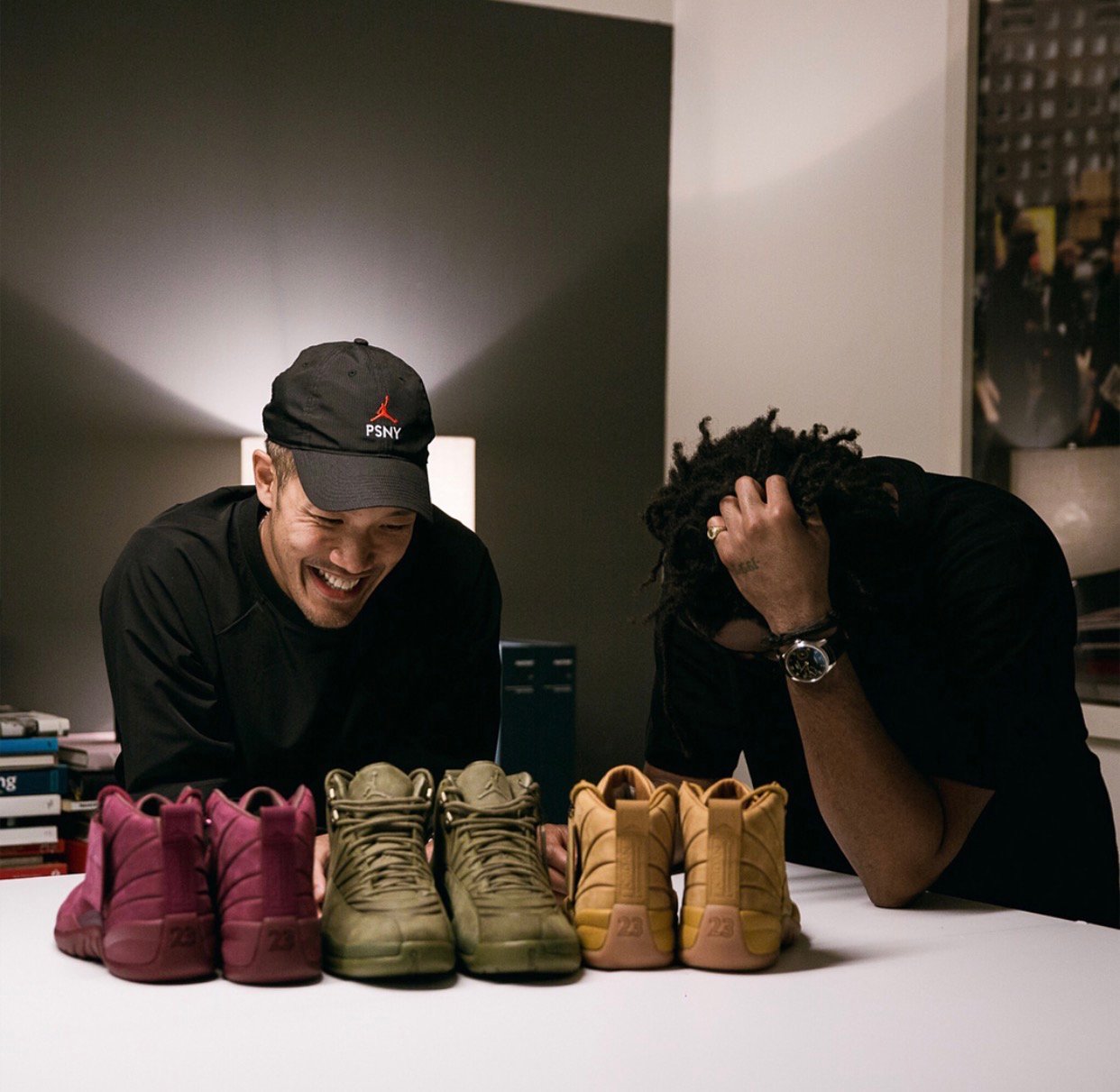
That question sits at the centre of everything Kanghyuk Choi and Sanglak Shon have built together. The two met while studying at London’s Royal College of Art , Choi arriving after completing a BA in bespoke tailoring at the London College of Fashion , and Choi launched the label with his own name attached straight off his MA graduate collection in June 2016. Shon joined officially the following February, in time for the brand’s third season, after flying back from the UK to build the company properly with Choi in Seoul. By 2019, the pair had made the semi-final top twenty of the LVMH Prize , serious, fast validation for a label that had started, quite literally, as one designer’s graduation project less than three years earlier.
THE MATERIAL NOBODY THOUGHT TO LOOK AT TWICE
None of that, though, is the part of the story that actually stops people mid-scroll. The airbags do.
At first glance, a car airbag doesn’t sound like fashion material at all , it belongs folded inside a steering column, forgotten until the one moment it becomes the most important object in the vehicle. Choi saw something else in it entirely: a fabric that was, in his own words, remarkably pure in its nylon construction, with seams and a wearability logic he found genuinely compelling on their own technical terms. Rather than disguising the airbag’s former life, KANGHYUK builds it directly into the finished garment , the seams, the folds, the manufacturer’s stamping and barcodes stay visible, not smoothed away as flaws to hide, but kept as the actual point of the piece.
Sourcing the material is, by the designers’ own admission, genuinely complicated , unused airbags have to be tracked down from different parts of the world before they can even reach the studio to be taken apart and reshaped. It’s less a supply chain than a salvage operation, and that difficulty is baked into the final price and process rather than something the brand tries to make look effortless.
WHY THIS ISN’T “SUSTAINABILITY MARKETING”
Fashion has spent years trying to make sustainability look beautiful in a very specific, very polished way — campaigns shot in pristine landscapes, natural fibres photographed in soft light, careful language that turns environmental responsibility into another flavour of luxury storytelling. KANGHYUK skips that romance entirely. You can see exactly where the material came from. That refusal to disguise it is precisely what makes the work interesting rather than performative , the sustainability angle was never bolted on afterward as a talking point. It was the entire premise from Choi’s very first graduate collection, before “sustainable fashion” was a phrase every brand felt obligated to have a position on.
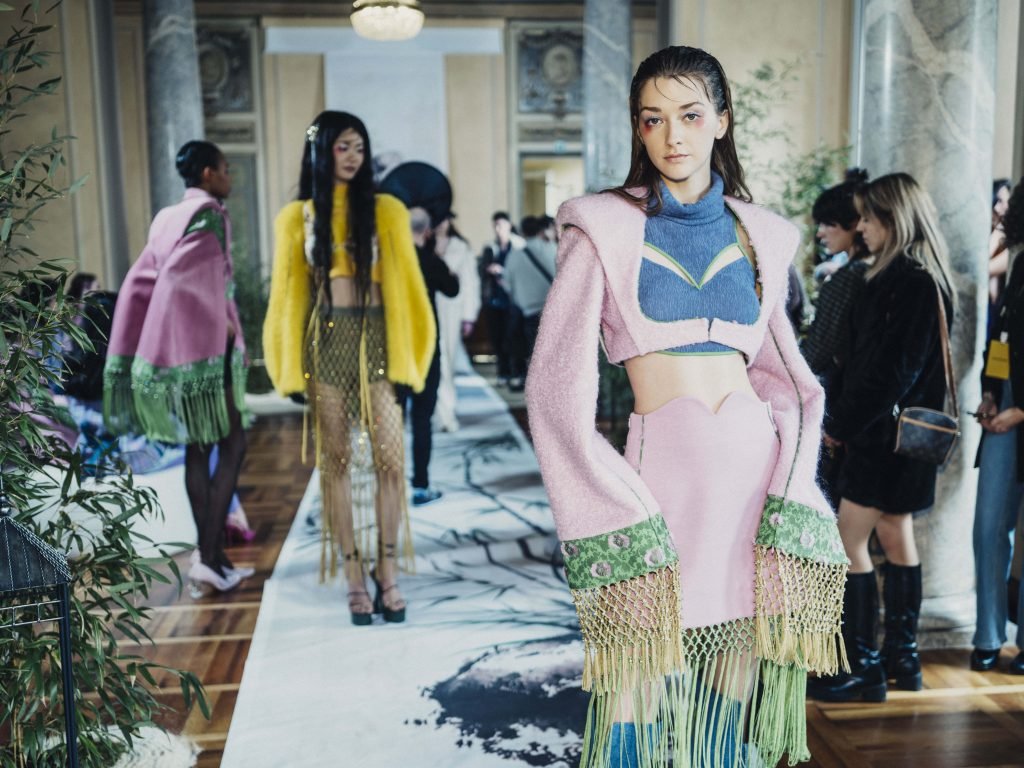
The clothes carry something of that industrial past even once they’ve become jackets, trousers, or the sculptural, near-armour pieces the label has become known for. There’s real tension in the finished garments between the precision of the original engineered material and the unpredictability of what happens once it’s cut and reassembled by hand , technical without turning cold, experimental without becoming unwearable. It’s a genuinely difficult balance, and one the label has clearly been refining since that very first collection, which drew international attention at Paris Fashion Week in 2017 and was staged, fittingly, around the concept of a refrigerated butcher’s warehouse , the same unglamorous, methodical process, Choi and Shon have said, that airbags go through in their own studio: arriving by mail, being taken apart, reshaped, refined.
FROM A GRADUATE PROJECT TO A$AP ROCKY
The recognition escalated quickly once the LVMH Prize nomination put KANGHYUK on the industry’s radar. In January 2019, A$AP Rocky wore a full KANGHYUK look in the music video for “Tony Tone”,
reportedly the first time a Korean designer’s work had been featured by a figure of that stature in hip-hop and street culture. The brand picked up the 16th Samsung Fashion & Design Fund award that same period, recognised specifically for originality, technical completeness, and genuine commercial marketability , not just conceptual interest. Selective retail followed: Dover Street Market, Machine-A, H. Lorenzo in Los Angeles, and installation work at the Comme des Garçons Trading Museum in Paris, where Shon has exhibited sculptural “artificial creature” pieces built from bolts and scrap metal alongside the clothing , proof the studio’s interest in manufactured materials extends well past garments into a broader fascination with what gets discarded, and why.
THE QUESTION HIDING INSIDE EVERY GARMENT
Once you understand what KANGHYUK is actually doing, the same question starts showing up throughout the whole body of work: why does a material have to stay what we’ve already decided it is? Why should something discarded have a less interesting future than something brand new? Why does luxury have to start from something pristine in the first place?
Those aren’t only fashion questions. They’re broader ones about value itself , and it’s part of why the label’s reach has extended well beyond Korea’s own fashion scene. The industry has spent decades quietly convincing everyone that luxury means rarity. KANGHYUK offers a different definition: luxury as imagination, the ability to look at something ordinary, or worse than ordinary, and notice a possibility nobody else bothered to. Not the loud, ripped-denim version of rebellion fashion usually reaches for , a quieter one. A refusal to accept that an object’s value has to be fixed by whatever it was originally built to do.
That refusal feels particularly relevant right now, as fashion runs out of room to pretend every collection exists in isolation from what happens to clothing once a season ends. Choi and Shon were asking these questions years before they became unavoidable industry-wide, and they did it without turning the clothes into a lecture , which matters more than it sounds like it should, because the moment fashion starts feeling like homework, people stop looking closely enough to notice anything at all.
KANGHYUK gives you a reason to look twice instead. First you see an unusual jacket. Then you notice the material. Then you realise what that material used to be, sitting inside a dashboard, waiting for a collision that , in this second life , never actually needs to happen for the object to matter.