 111
111 2
2 3
3 4
4 5
5 6
6 7
7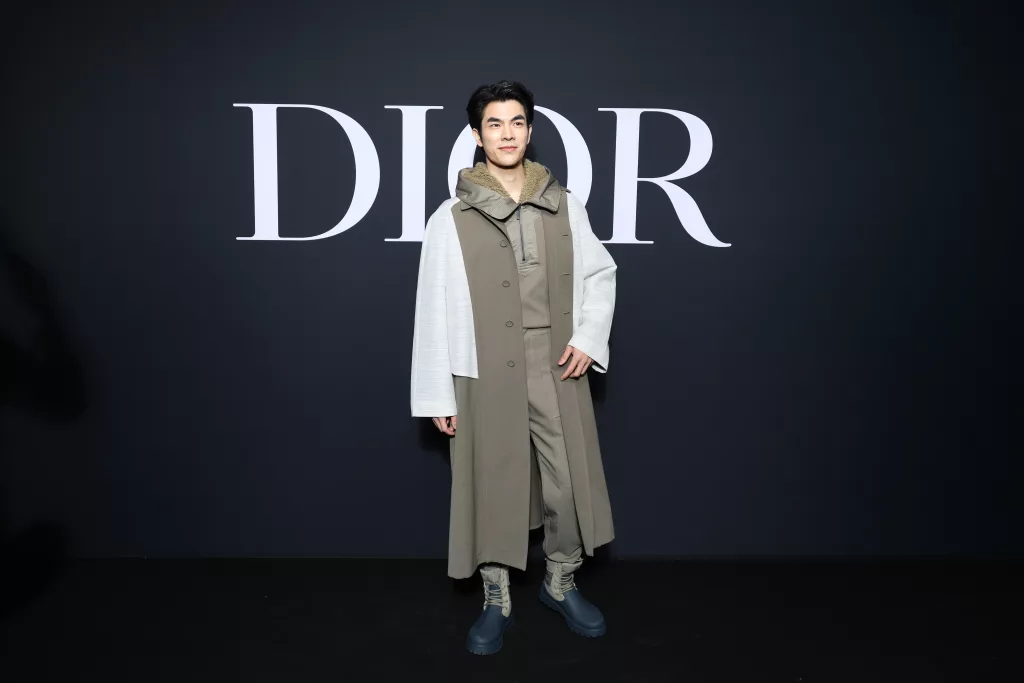 8
8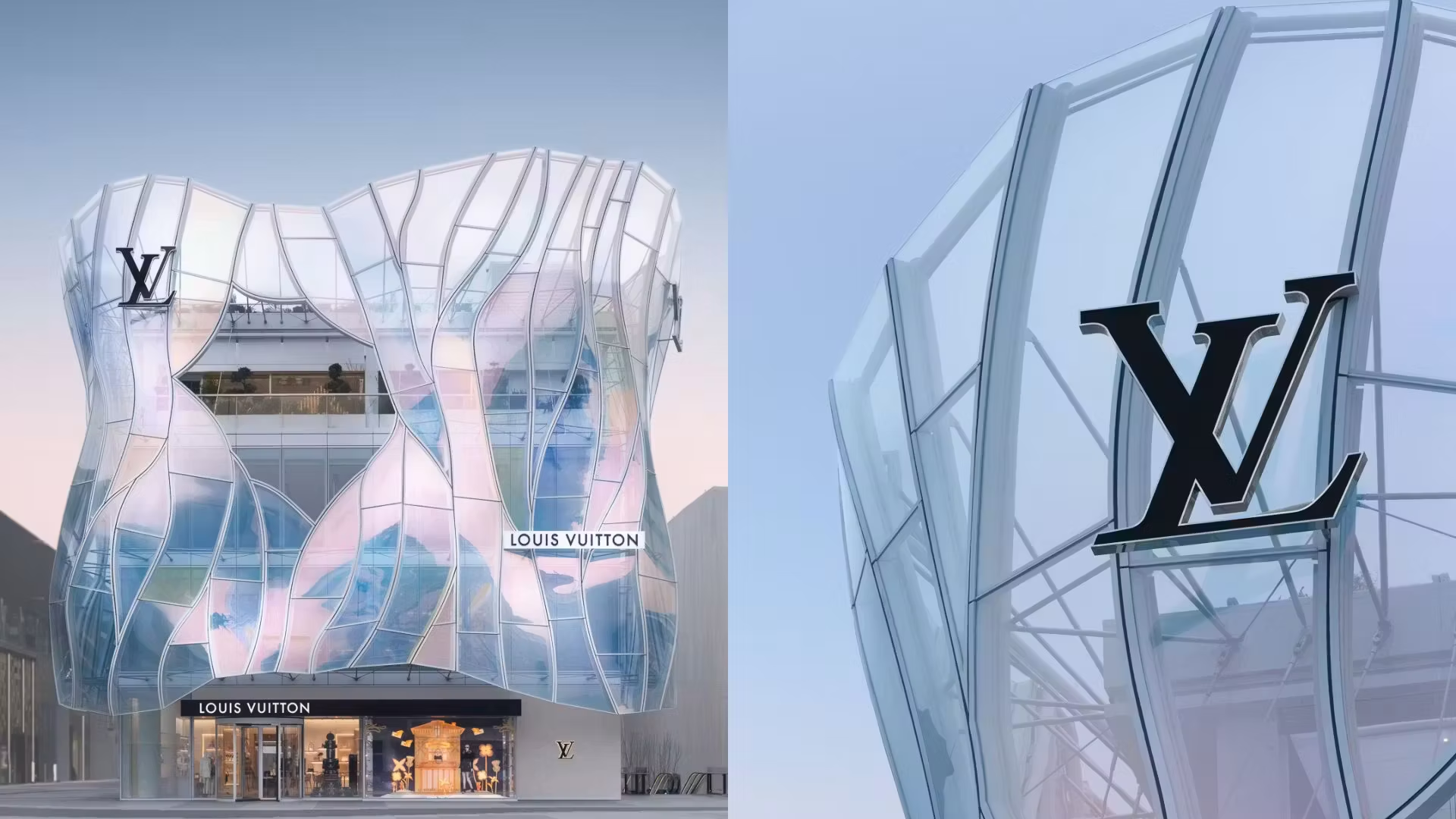
From Xiao Zhan at Gucci to Arthur Chen at Balenciaga and Chen Xingxu at Dior , how Chinese television created luxury fashion’s most valuable audience
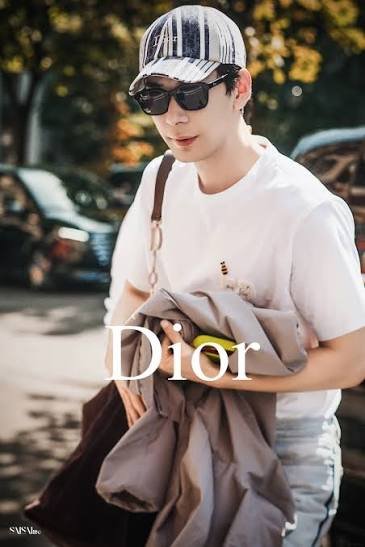
There is a photograph taken outside the Dior show at Paris Fashion Week on June 24, 2026, that tells you more about the current state of luxury fashion than any runway review could. Two Chinese actors , Chen Xingxu and Deng Wei , arrive together. They are dressed impeccably. They say nothing. They do not need to. The crowd waiting outside the venue is already documenting everything. The photograph of their arrival will have circulated across Weibo, Xiaohongshu, Douyin, Instagram and X within the hour, generating a volume of engagement that no advertising campaign of equivalent cost could have produced.
This is the new front row. Not the Hollywood actor fulfilling a contractual obligation. Not the pop star performing for the cameras. The C-drama actor , measured, deliberate, connected to an audience that is simultaneously the most passionate and the most commercially significant in the world , sitting quietly in the second row of a Paris show and generating tens of millions of impressions before the first look has even hit the runway.
The houses understood this a while ago. The question now is whether everyone else is paying attention.
HOW IT STARTED: THE PANDEMIC PAUSE AND THE CHINESE RETURN
To understand why C-drama actors are sitting in the front rows of Paris and Milan in 2026, you have to understand what happened to those front rows between 2020 and 2023.
The pandemic closed the world, and Chinese consumers , who had previously represented the engine room of global luxury growth , were locked out of the physical fashion calendar for nearly three years. During that period, the houses turned their attention elsewhere. K-pop had been building as a fashion week presence since the mid-2010s, and in the vacuum left by China’s absence, Korean talent flooded the front rows of every major show. The K-pop boom in luxury fashion was not entirely strategic , it was also practical. The audiences were there, the engagement rates were extraordinary, and the houses filled the gap with what was available.
Then, on January 8, 2023, China fully reopened its borders. And what happened next changed everything.
A wave of Chinese celebrities, buyers and press returned to the fashion calendar with an ambition that surprised even the houses who had been waiting for them. One analyst who tracks Chinese fashion week presence noted at the time that the returning Chinese stars were “ambitiously building their image overseas” , not simply attending shows as guests, but consciously positioning themselves as global cultural figures. The numbers that followed were hard to argue with. During Fashion Month in early 2023, the top ten Chinese celebrities present generated $49 million in earned media value across platforms. Liu Yuxin, the face of Dior in China at the time, generated $23.6 million from her appearance alone ,roughly half the total, from a single person attending a single show.
These were not the numbers of a niche interest. They were the numbers of a market coming home.
THE ACTORS: WHO THEY ARE AND WHY THEY MATTER
C-drama , Chinese television drama , is one of the most consumed entertainment formats on the planet. The best dramas reach audiences of hundreds of millions of viewers across China, with international distribution through platforms like Netflix expanding their reach into Southeast Asia, Europe and North America. The actors who headline these productions carry with them fanbases of a scale and intensity that the Western entertainment industry has rarely seen outside of the biggest pop music acts.
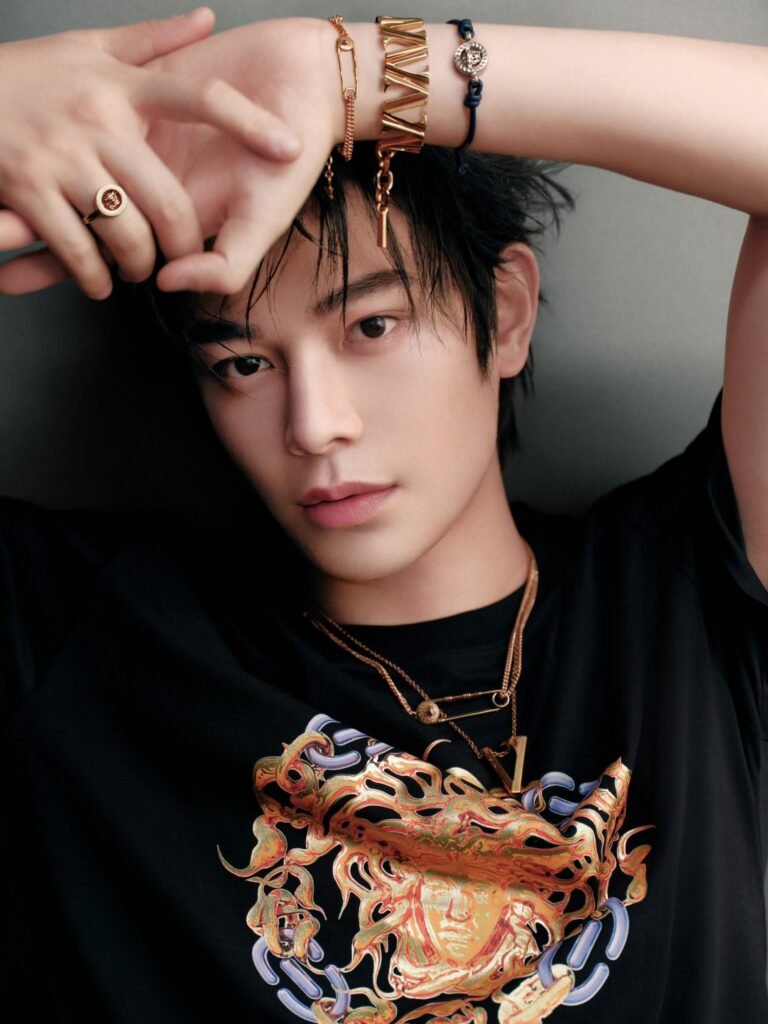
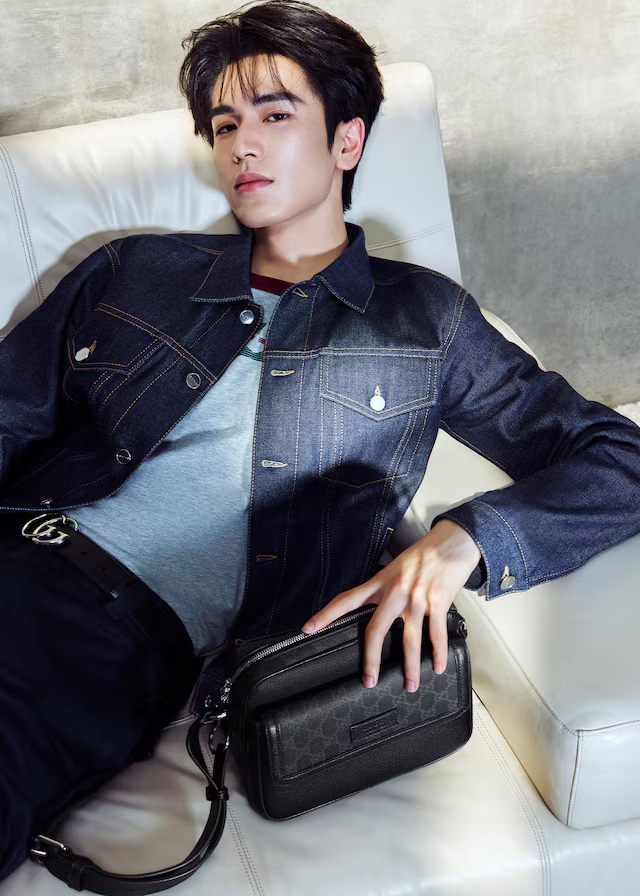
Xiao Zhan is the clearest illustration of what this looks like in commercial terms. Known internationally for his role as Wei Wuxian in The Untamed , the 2019 drama that became a global phenomenon largely through Netflix , he rose to prominence as the most-endorsed celebrity in China, earning the nickname that has stuck ever since: China’s King of Luxury. His Gucci global ambassadorship, announced in 2021, was followed within the same year by partnerships with Tod’s, Ralph Lauren Fragrances, Zenith and SAIC Audi. When the luxury watchmaker Zenith announced its partnership with Xiao Zhan in 2021, fans flooded Weibo with purchase receipts within days. Chinese media analysis confirmed that his fan purchasing power was so concentrated that brands could earn back their investment in five hours and double it to equal revenue within a single day. When he attended Milan Fashion Week and opened an Instagram account, he gained 463,000 followers in a week , a figure that most Western celebrities would take months to accumulate. Xiao Zhan on Weibo during Fashion Month alone generated $9.3 million in earned media value, according to data from influencer marketing agency Lefty.
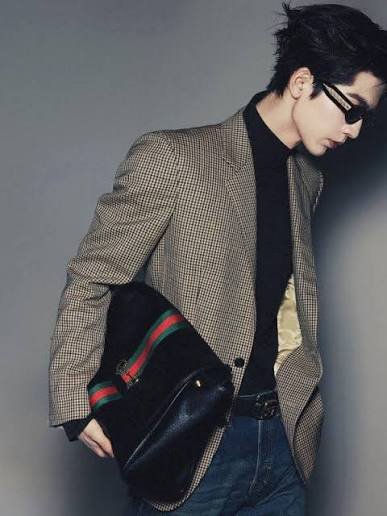
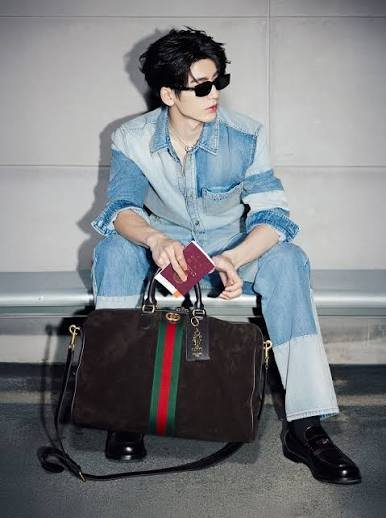
Zhang Linghe represents the next generation of this phenomenon. Known for his lead role in Pursuit of Jade and Story of Kunning Palace, he arrived in the luxury fashion world in 2024 when Roger Vivier named him brand ambassador, followed by Gucci and then Bvlgari in 2025. His Gucci campaign, shot alongside Pursuit of Jade co-star Tian Xiwei in an editorial described by those who saw it as “jaw-dropping,” positioned the house as genuinely engaged with Chinese celebrity culture rather than simply transactional about it. At the 78th Cannes Film Festival in 2025, he attended as a Chopard guest , making him one of the very few Chinese actors to cross from fashion week into the European film circuit, the other great cultural arbiter of luxury credibility.
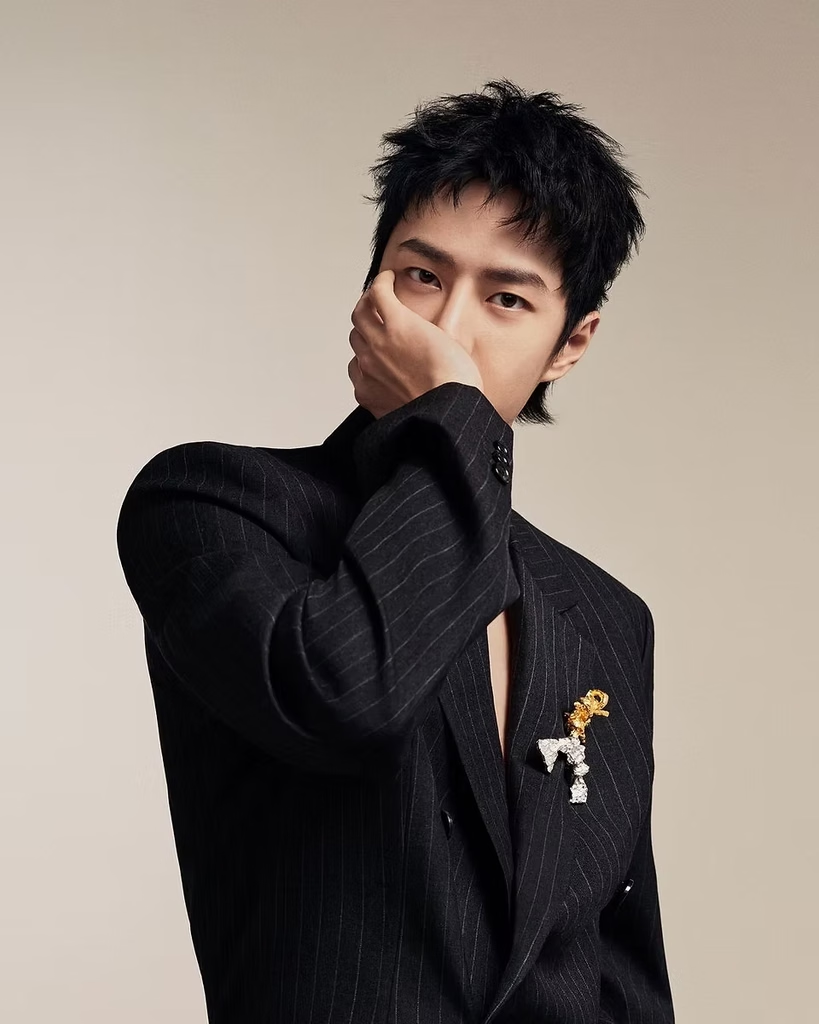
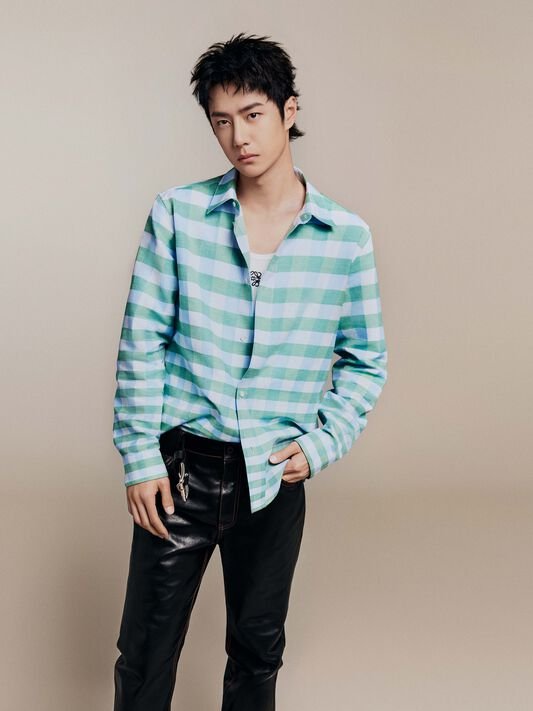
Wang Yibo’s trajectory is different again, and in some ways more interesting. His career began in K-pop , as a member of the Korean-Chinese group Uniq , before transitioning into C-drama, where roles in The Untamed alongside Xiao Zhan and the military action drama Born to Fly turned him into one of the most commercially sought-after faces in Asia. Add to that a serious motorsports career and the result is a talent who cannot be placed neatly into any single category. Loewe came for him in 2024, naming him global ambassador. The partnership makes obvious sense: Loewe under Jonathan Anderson has spent the past decade building itself as the luxury house most interested in genuine cultural credibility , and Wang Yibo, who operates at the intersection of music, film and professional sport, carries exactly that kind of credibility in spades. His short film for Loewe in commemoration of the Year of the Horse, released in January 2026, was not a standard celebrity campaign. It was a piece of visual storytelling that used his personal identity rather than simply borrowing his image.
Arthur Chen , Chen Feiyu in Chinese, the son of celebrated filmmaker Chen Kaige , represents yet another profile. His background is in international education (he attended Tabor Academy in the United States) and his career has straddled the Chinese and Western entertainment industries in a way that gives him a cultural fluency that is genuinely unusual. When he arrived at Pierpaolo Piccioli’s debut Balenciaga show at Paris Fashion Week SS26, dressed in an all-black ensemble of leather jacket over plain tee and jeans with chunky boots, the internet took note not because he was performing for the cameras but because he clearly was not. He has previously appeared in Balenciaga’s winter 2025 campaign alongside Nicole Kidman and Patrick Schwarzenegger , company that tells you everything about where Balenciaga sees him in their hierarchy of faces.
Gong Jun’s story begins with a drama that almost never happened. Word of Honour, the 2021 boys-love series that he starred in alongside Zhang Zhehan, became one of the most-watched dramas of the year globally, later picked up by Netflix. It also launched him into the luxury world , Charlotte Tilbury named him global ambassador, Tissot followed, Messika appointed him APAC ambassador in 2024. He is, perhaps, the C-drama actor who has most successfully translated genuine character work into fashion credibility. His Paris and Milan appearances are consistent, low-key and effective in exactly the way that the most durable luxury ambassador relationships tend to be.
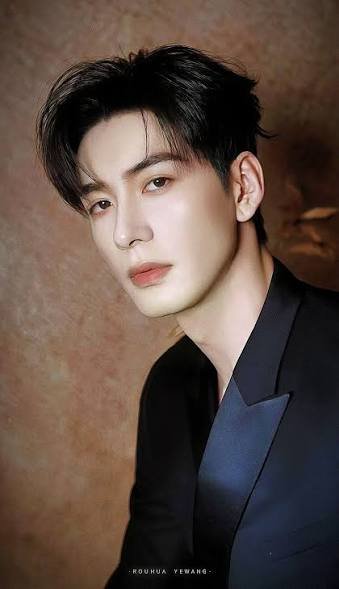
Deng Wei , known to international audiences from Lost You Forever and Till the End of the Moon , has been attending Dior shows since the brand’s SS25 season, building the kind of relationship with a house that precedes a formal announcement. His arrival at Dior’s Paris show in June 2026 alongside Chen Xingxu was one of the most documented front row moments of the season.
THE DATA BEHIND THE GLAMOUR
The front row is beautiful. The numbers behind it are extraordinary.
China’s luxury market was valued at $69.12 billion in 2026 and is projected to reach $93.17 billion by 2031 , growing at 6.15% annually. This is not, it is worth emphasising, a recovery story in the traditional sense. The luxury market in China contracted by 3 to 5 percent in 2025, following an even sharper decline the year before. The easy growth years , the era when almost any luxury brand could post extraordinary China numbers simply by opening stores and waiting , are definitively over.
What has replaced them is more demanding and more interesting: a market defined by cultural intelligence, genuine brand desirability, and the understanding that the most powerful thing a luxury house can offer the Chinese consumer in 2026 is not a product but a story. “Luxury is not in decline; it is undergoing a structural evolution,” Jacques Roizen, managing director of consulting at the Shanghai-based Digital Luxury Group, said in early 2026. “2026 will favor brands that prioritize cultural intelligence, concentrate on serving their core consumers, and optimize their end-to-end value chains.”
Cultural intelligence, in the context of the Chinese luxury market, means knowing which faces carry genuine cultural weight , and sending them to Paris.
The earned media value generated by Chinese celebrities at Fashion Week is the most concrete evidence of this understanding working in practice. The top ten Chinese celebrities at Fashion Month in 2023 generated $49 million in EMV. The top ten global key opinion leaders across all markets generated $75 million. The Chinese contribution, from a cohort of largely unknown names in the Western market, represented nearly two-thirds of the global total from a fraction of the attendees. These are not numbers that luxury houses can afford to ignore. And they are not ignoring them.
The mechanism is specific and worth understanding. When a C-drama actor attends a Paris fashion week show, their fandom does not simply admire their photographs. It organises. Fan communities coordinate hashtags across multiple platforms simultaneously. On Weibo , the Chinese microblogging platform where fashion week content generates the highest volume of luxury-related conversation of any platform in the world , fan accounts run real-time updates from the venues, dissect the styling in detail, and push the content to the top of trending lists within minutes. The engagement rates involved make Western Instagram metrics look modest by comparison. And behind that engagement sits the purchase intention of the world’s most ambitious luxury consumer class.
WHAT THE HOUSES ARE ACTUALLY DOING
Understanding that this dynamic exists is one thing. Knowing how to work with it is another. The houses at the top of the list , the ones generating the strongest returns from their C-drama relationships — are doing something more sophisticated than simply putting a famous Chinese face in a front row seat.
Gucci’s relationship with Xiao Zhan, which began in 2021, has deepened across five years into something that has survived a difficult period in Chinese luxury spending and emerged intact. The house has used him not just for product campaigns but for editorial content, for live events, for the specific kind of storytelling that reaches his audience where it actually lives , on Weibo, on Douyin, in the streaming platforms where his dramas continue to find new audiences. Similarly, Loewe’s partnership with Wang Yibo has been characterised by creative investment rather than transactional celebrity placement. The Year of the Horse short film is one example. It is the kind of content that respects the audience it is made for , which is, in the end, the only kind that works.
Louis Vuitton’s new flagship in downtown Beijing, which opened on January 13, 2026, offers a different illustration of the same principle. When it opened, crowds of young people gathered outside. When celebrities arrived , climbing the stairways of the store’s translucent, bubble-shaped exterior , people screamed. The store opening generated a level of excitement that a CNBC correspondent on the ground described as surpassing even the annual iPhone releases at a nearby Apple complex.
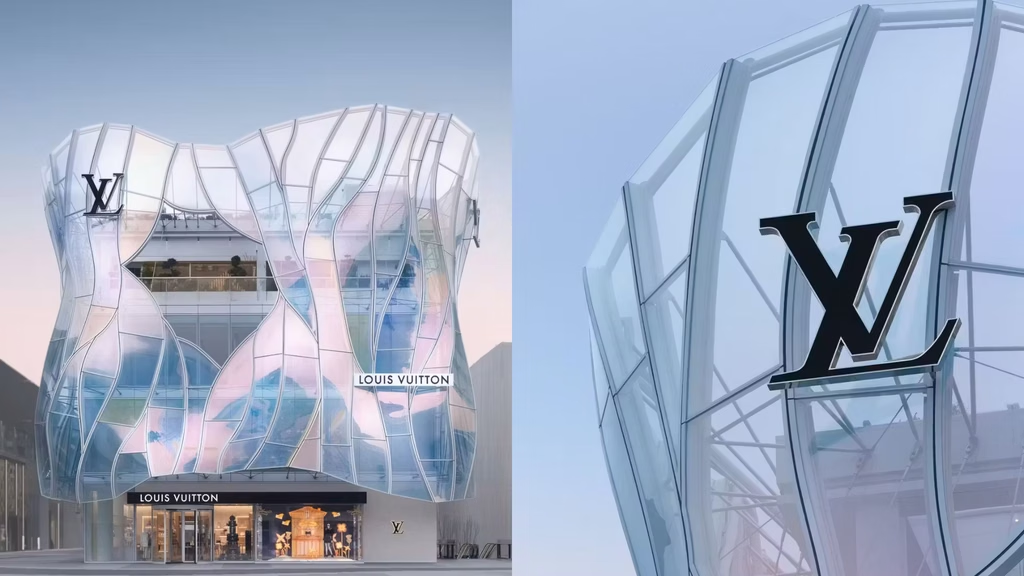
This did not happen because the store existed. It happened because the house had spent years building cultural relationships , through front row placements, through ambassador partnerships, through genuine creative engagement with Chinese celebrity culture , that made the opening of a retail space into a cultural event.
Balenciaga’s trajectory is instructive in a different way. After a difficult period in 2022 and 2023, the house rebuilt its position in the Chinese market in part through deliberate investment in Chinese celebrity relationships. Arthur Chen’s inclusion in the The Clients campaign alongside Nicole Kidman was not a China-market play , it was a global campaign featuring one of the most bankable Chinese faces of his generation, signalling that Balenciaga considered him front-rank globally, not simply relevant regionally. The distinction matters. Chinese consumers, who are among the most sophisticated luxury customers in the world, can tell the difference between a house that treats Chinese talent as a market strategy and one that treats them as a genuine creative asset.
PARIS IN JUNE 2026: THE SEASON THAT MADE IT DEFINITIVE
Paris Fashion Week Men’s SS27, held in June 2026, was the moment that made the C-drama front row impossible to describe as a trend rather than a structural shift.
At Dior, Chen Xingxu and Deng Wei arrived together and generated the kind of documentation that followed them out of the venue and across every platform for days. At Amiri, Zhan Xuan attended a show that would previously have been covered almost exclusively through the lens of Western streetwear culture. The heat during Paris Fashion Week SS27 was record-breaking , 40 degrees at peak , and one of the more unexpectedly viral moments of the season was a short drama actor named Zhangchi, entirely unfazed in thick clothing, without a trace of sweat visible in close-up footage. The comment sections across platforms united on a single observation: short drama actors film in hanfu during summer, so a Paris heatwave was genuinely nothing.
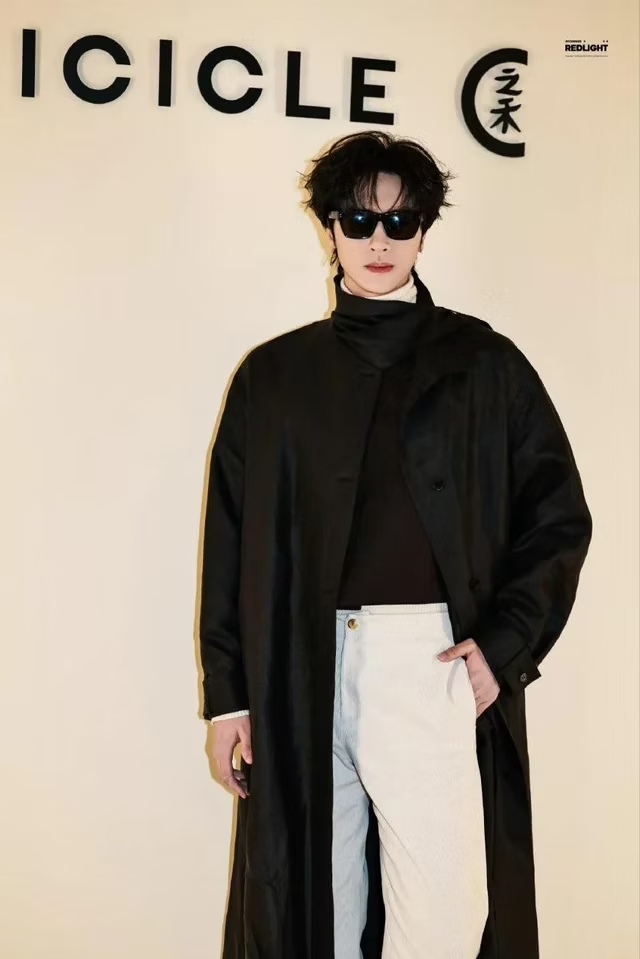
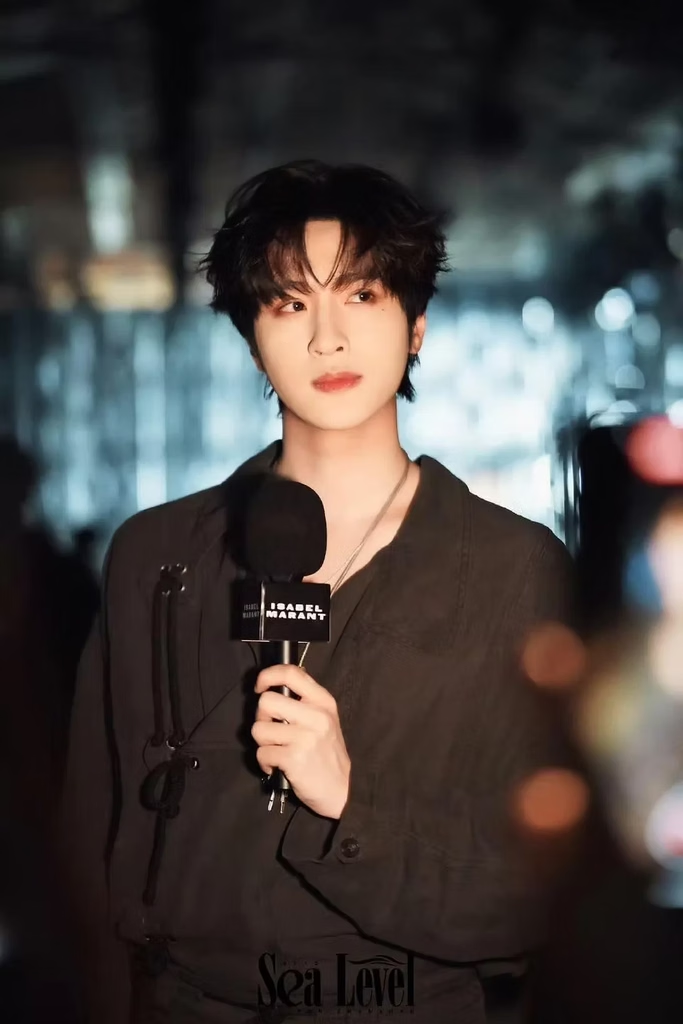
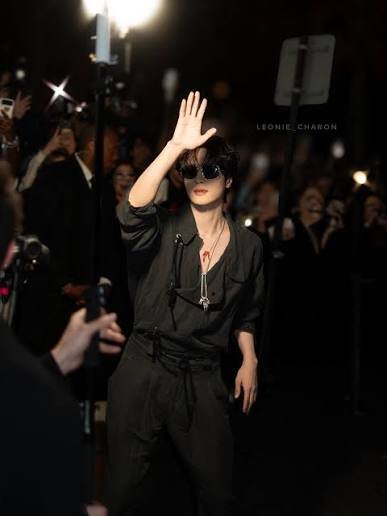
It was the kind of moment that happens when a cultural presence becomes genuine rather than curated. The C-drama actors at Paris Fashion Week in June 2026 were not performing for the cameras. They were simply there , interested, present, comfortable in the spaces they were occupying. And that ease, that absence of performance, generated more engagement than any carefully orchestrated arrival could have produced.
WHY IT MATTERS BEYOND THE NUMBERS
Here is the thing that the earned media value figures, the Weibo trending hashtags and the Paris front row photographs do not fully capture: what is happening with C-drama actors and luxury fashion is not primarily a marketing story.
It is a cultural story about what happens when two industries built on aspiration, craft and emotional resonance find each other at the right moment. Chinese television drama, at its best, does something that Western entertainment has largely moved away from: it takes its time. It builds characters across sixty or seventy episodes. It develops relationships with its audience over months. The actors who emerge from this environment carry with them a depth of connection to their viewers that no fifteen-second video and no single-campaign placement can manufacture.
The luxury houses that are working most effectively with C-drama actors understand this. They are not buying attention. They are aligning themselves with people who have already earned it — over years, through the kind of slow, cumulative, emotionally invested relationship-building that, when you think about it, is precisely what the best luxury brand building also requires.
Xiao Zhan did not become China’s King of Luxury because his face appeared on a Gucci bag. He became it because over years of consistent, genuine engagement , with his work, with his audience, with the brands he chose to represent , he built something that money cannot manufacture: trust. The houses that have understood this are the ones generating the most extraordinary returns from their Chinese celebrity relationships.
The ones that are still treating C-drama actors as a distribution channel rather than a creative partnership are, as the numbers make increasingly clear, missing the point entirely.
THE CONCLUSION: A NEW KIND OF FRONT ROW
Twenty years ago, the front row of a Paris fashion show communicated one thing to the world: here are the people whose approval this house seeks. Actresses. Editors. Models. The gatekeepers of taste in the Western tradition.
Today, that front row communicates something considerably more complex. It still says: here are the people whose approval this house seeks. But the people sitting in those seats , the ones whose arrival generates the most content, whose presence carries the most commercial weight, whose fanbases watch every photograph with the most invested attention , are increasingly likely to have their names written in characters, not letters.
Chen Xingxu and Deng Wei at Dior on June 24, 2026. Arthur Chen at Balenciaga. Zhang Linghe at Chopard in Cannes. Gong Jun at Charlotte Tilbury and Tissot and Messika. Wang Yibo at Loewe. Xiao Zhan at Gucci and Tod’s and Boucheron. A generation of Chinese actors who became global luxury fashion’s most valuable faces not through marketing decisions but through the slow, genuine, undeniable accumulation of something the industry has always been chasing and rarely been able to buy outright.
Cultural credibility. An audience that actually cares. A connection that runs deeper than the front row.
The C-drama actors did not come to Paris to be seen. They came because the houses came to them first. And that, in the end, is the most important sentence in this story.
All images featured in this article are credited to owners . They are used for editorial and illustrative purposes only, with no commercial intent. All rights remain with their respective owners.