 111
 2
 3
 4
 5
 6
 7
 8

In an industry increasingly dominated by viral spectacles, digital noise, and logo-driven luxury, Myungshin Lee built something far more challenging: a fashion house that whispers rather than shouts. For over fifteen years, LOW CLASSIC has stood as one of South Korean fashion’s most influential success stories, choosing to move deliberately in the opposite direction of hyper-commercial trend cycles. While international observers frequently associated Korean fashion with idol culture, rapid social-media trends, and graphic streetwear, LOW CLASSIC introduced precision tailoring, architectural simplicity, and a deeply intellectual vision of modern femininity. Today, the label occupies a revered position within the global fashion ecosystem as a respected Seoul house beloved by editors, stylists, buyers, and creative professionals who value longevity over fleeting attention.
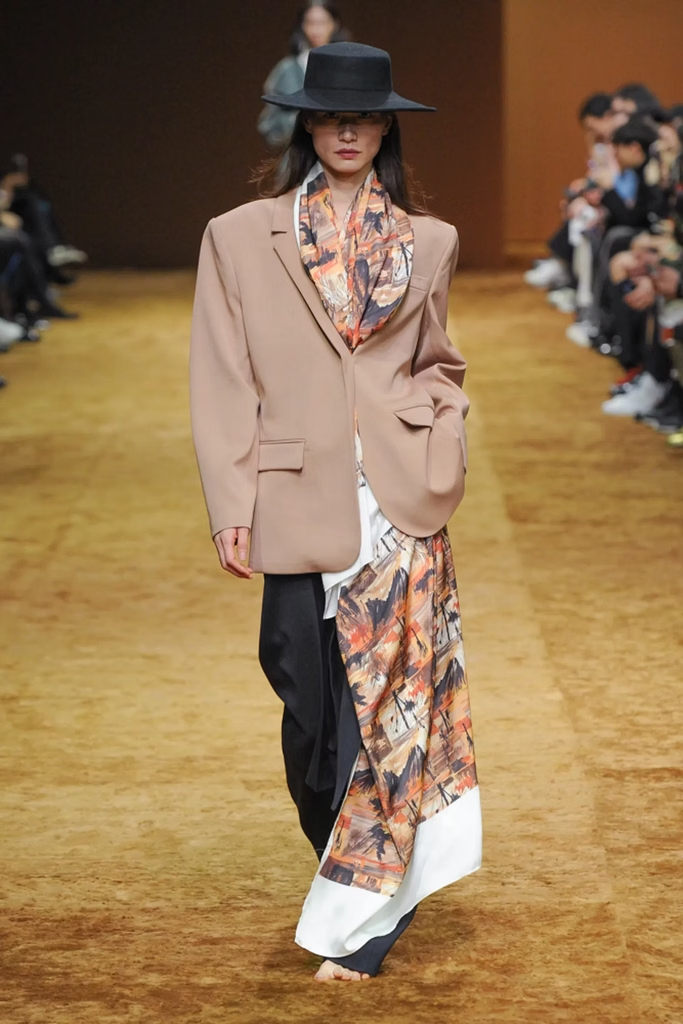
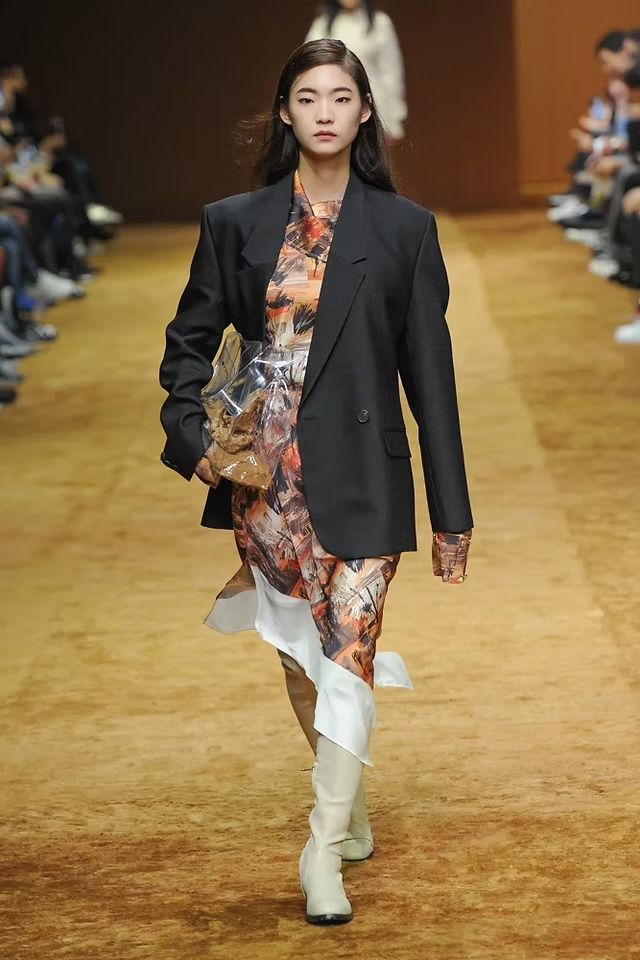
To understand the cultural magnitude of LOW CLASSIC, one must examine the landscape of Seoul in the late 2000s. When Myungshin Lee and her co-founders were fashion students, Korean designer brands faced a market where domestic luxury consumers gravitated almost exclusively toward European heritage houses, while local fashion remained split between fast commercial manufacturing and emerging streetwear. Seeing an unfulfilled void for elevated, contemporary designer womenswear capable of competing internationally, Lee partnered with her Konkuk University classmates Hwang Hyun-ji and Park Jin-sun. Their union combined complementary expertise: Lee focused on garment design and pattern-making precision, Hwang specialized in merchandising and product development, while Park brought visual storytelling to define the brand’s art direction. Founded in 2009, LOW CLASSIC set out to construct a modern wardrobe built around longevity, emotional minimalism, and sophisticated wearability.
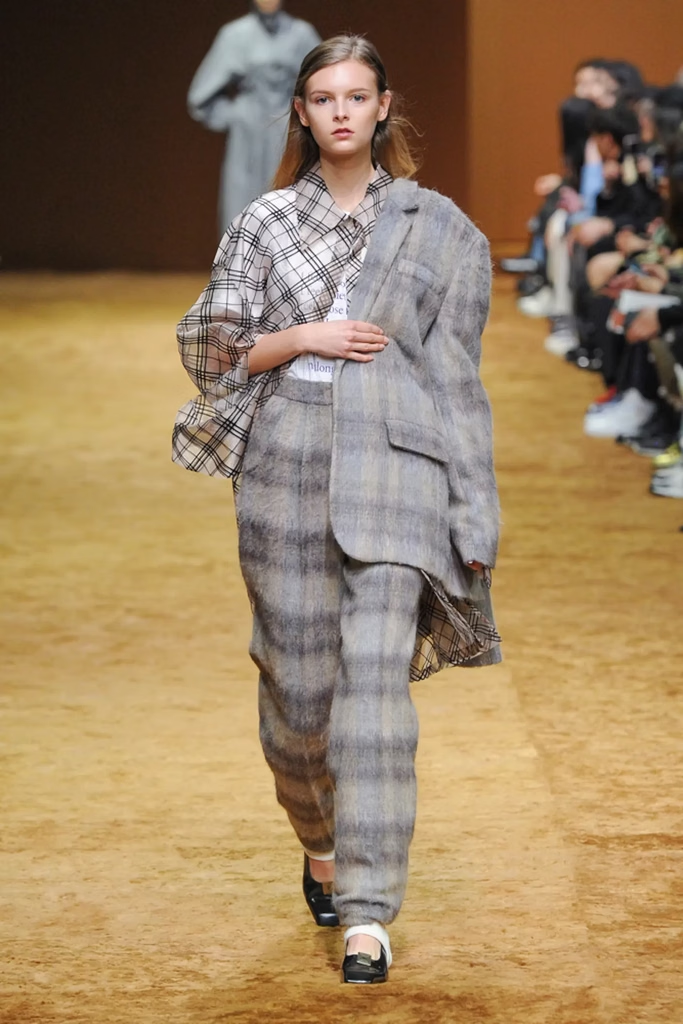
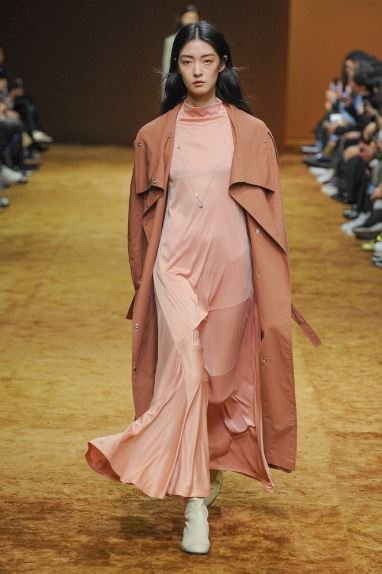
The name LOW CLASSIC itself encapsulates its founding philosophy: a classic is not a static homage to the past, but a fluid concept designed to evolve across time. Lee envisioned a classic that could exist as warm or cool, feminine or masculine, minimal or emotional, prioritizing structural balance over strict austerity. Rather than relying on overt logos or flashiness, the house established recognizable codes through architectural tailoring, elongated silhouettes, utilitarian details, precise construction, neutral color palettes, subtle asymmetry, and elevated everyday dressing.
LOW CLASSIC never constructed a fictional fantasy persona; instead, the house designed for real women who dress for self-expression rather than external validation. Described by Lee as independent and self-directed, the LOW CLASSIC woman values clothing that amplifies her presence without overwhelming her personality. This philosophy organically attracted creative professionals, architects, designers, and fashion editors seeking quiet sophistication.
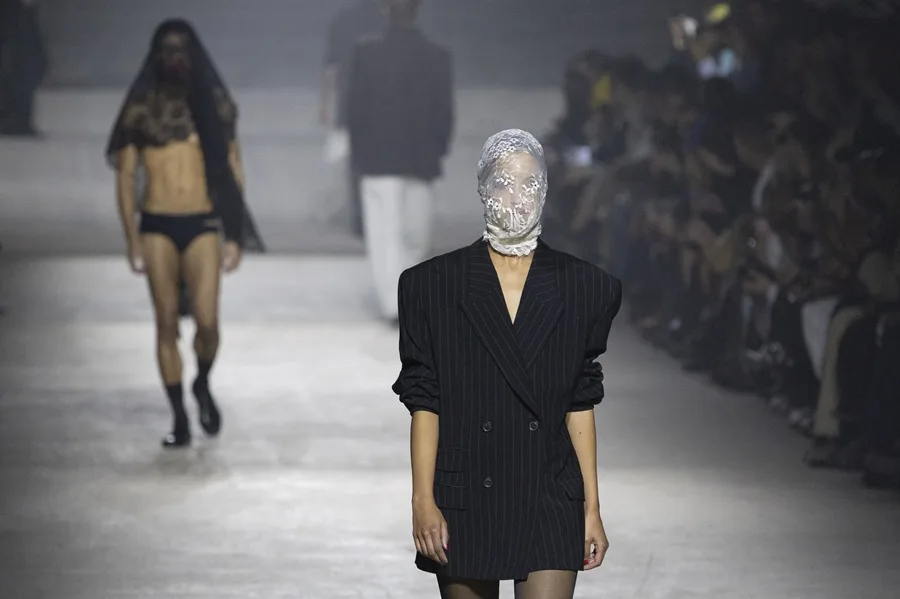
The brand’s Spring/Summer 2018 collection, returning to Seoul Fashion Week after a two-year hiatus, encapsulated Lee’s artistic maturity through the concept of the Asian Traveler. Conceived after Lee observed Asian cultural nuances within Western environments, the show featured an understated runway with wooden flooring and white fabric panels. Models walked in floating silk tunics, fluid white trousers, and draped black textiles referencing traditional Korean carrying cloths, alongside tea-stained mandarin-button tops and folk-inspired motifs of paper fans, mountains, and goblins. Most remarkable were the leather handbags inspired by traditional Korean earthenware water jars, suspended from single straps to mimic carrying water across a natural landscape. For Fall/Winter 2018, Lee turned to American modernist artist Georgia O’Keeffe and her years in New Mexico. Translating O’Keeffe’s desert sanctuary into fashion, the collection featured chocolate knife-pleated skirts, dusty rose trench coats, beige wool-cashmere capes, burnt orange textures, hand-knit sweaters woven with silk ribbons, and transparent bags filled with sand, soil, and branches.
LOW CLASSIC built its reputation organically, drawing cultural icons such as Krystal Jung—whose effortless, minimal aesthetic mirrored the brand’s core values—and HyunA, as well as prominent Korean actresses and stylists who frequented its Seoul stores. The brand reached a global milestone with its Spring/Summer 2024 debut at Paris Fashion Week, earning praise from international critics for balancing wearable practicality with intellectual experimentation. This international expansion secured placement across global luxury stockists including Net-a-Porter and SSENSE.
Long before “stealth wealth” and “quiet luxury” dominated global fashion discourse, LOW CLASSIC was perfecting logo-free, craftsmanship-first garments. Rather than pivoting to meet industry shifts, the house maintained its commitment to timeless tailoring until the global fashion ecosystem caught up. Myungshin Lee proved that the most lasting statements in fashion are delivered softly, cementing LOW CLASSIC as an enduring pillar of modern Korean design.
All images featured in this article are credited to owners . They are used for editorial and illustrative purposes only, with no commercial intent. All rights remain with their respective owners.