 111
111 2
2 3
3 4
4 5
5 6
6 7
7 8
8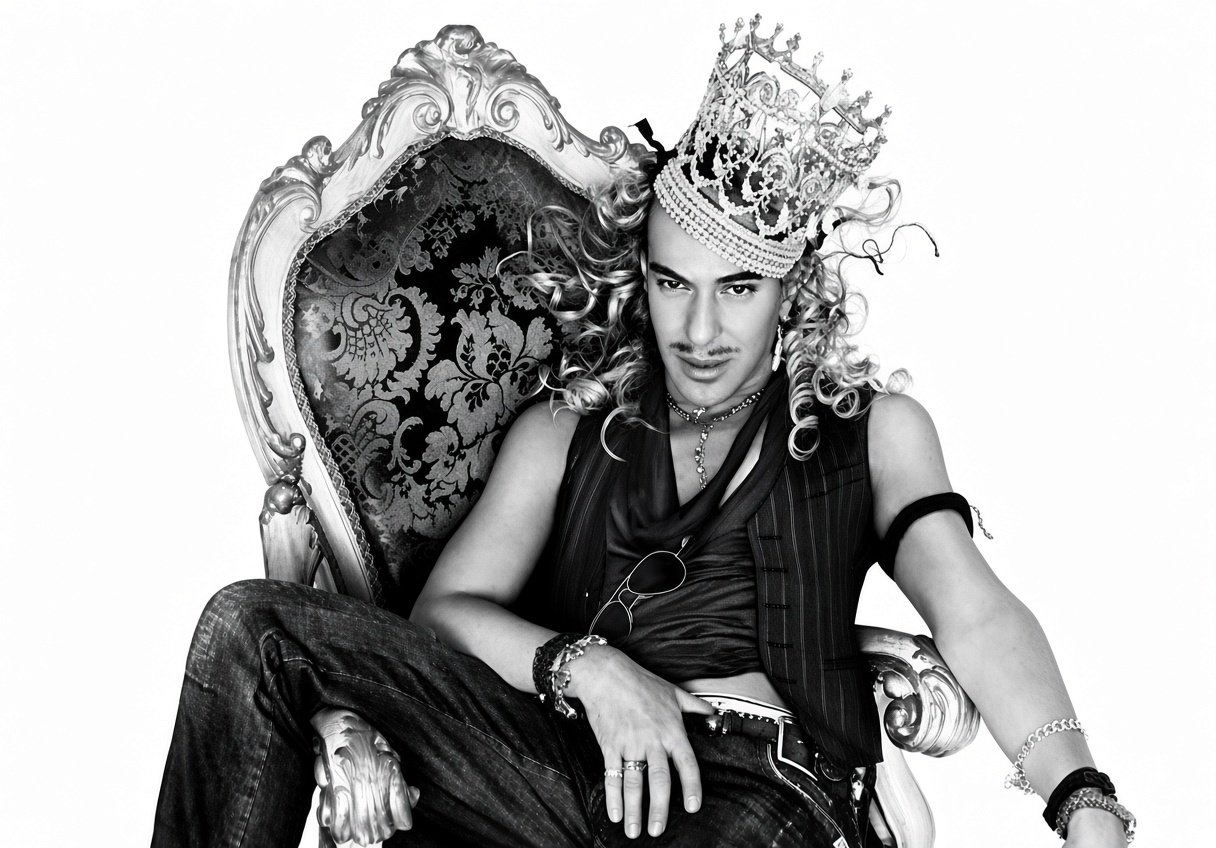
John Galliano’s arrival in Paris was never a mere transition of ateliers; it was an invasion of pure romantic historicism into the sterile corridors of modern luxury. Graduating from Central Saint Martins in 1984 with his seminal Les Incroyables collection—inspired by the french revolutionary dandyism, Galliano established a design language where narrative, historical obsession, and pattern-making precision converged.
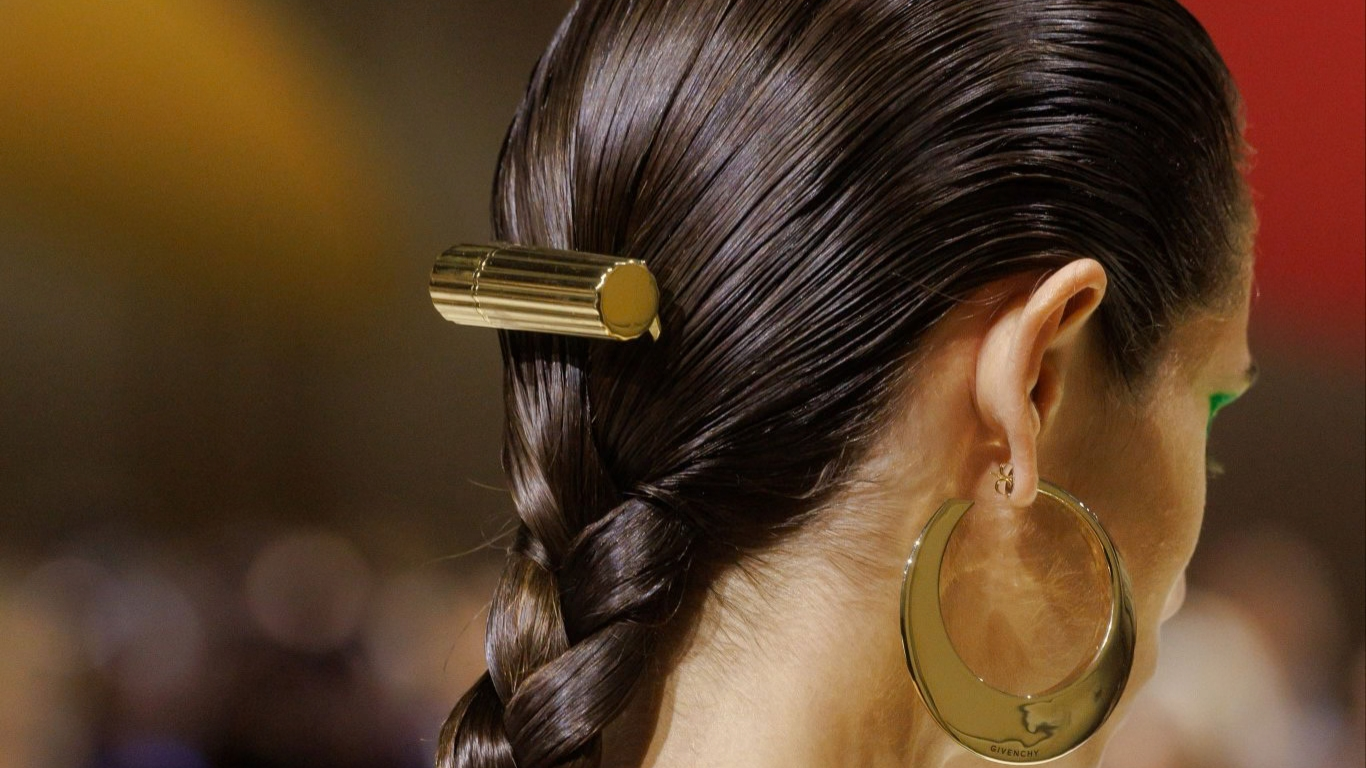
His mastery of the bias cut, a technical feat popularized by Madeleine Vionnet, allowed woven fabric to cling, drape, and flow organically around the human form without losing structural integrity. When Bernard Arnault appointed him first to Givenchy (1995) and subsequently to Christian Dior (1996), Galliano transformed the haute couture runway from a presentation of garments into immersive, theatrical cinema.
Throughout his fifteen-year tenure at Avenue Montaigne, Galliano redefined what a luxury house could represent. Each collection was anchored in a vivid fictional character, from 1997’s Misia Sert and Belle Époque courtesans to 2004’s Egyptian pharaohs and 2007’s Madame Butterfly homage.
- Technical Mastery: Unprecedented manipulation of bias-cut silk bias, corsetry, and hand-embroidered tulles.
- Theatrical Production: Cinematic set designs, grand operatic pacing, and extreme runway characterization.
- Commercial Synthesis: Balancing avant-garde runway fantasy with the iconic Saddle Bag and Lady Dior re-interpretations.
The runway shows were not simply marketing exercises; they were high-budget theatrical productions where models became actresses, and Galliano’s own post-show bows were staged as grand dramatic performances.
In 2011, the illusion collapsed. A public breakdown and anti-Semitic rant at a Paris café resulted in his immediate dismissal from Christian Dior, criminal conviction, and total exile from the fashion industry. The downfall marked a watershed moment for the industry, exposing the destructive pressures of the modern fashion calendar and the fragile line between unbridled artistic genius and personal ruin.
Galliano’s return in 2014 as Creative Director of Maison Margiela was one of the most improbable second acts in fashion history. Under the stewardship of Renzo Rosso (OTB Group), Galliano was tasked with steering a house built on Martin Margiela’s legacy of anonymity, deconstruction, and conceptual subversion.
Rather than imposing his historical romanticism onto Margiela, Galliano fused the two philosophies. He introduced decortiqué—the process of stripping a garment down to its bare structural skeleton—and elevated Margiela’s Artisanal couture line to unprecedented heights. This renaissance culminated in the viral Maison Margiela Artisanal SS24 show beneath the Pont Alexandre III, featuring porcelain glass-skin makeup by Pat McGrath and dramatic, hourglass-sculpted corsetry that captured global pop culture consciousness.
John Galliano’s relationship with the Met Gala spans nearly three decades of red-carpet iconography, serving as the ultimate platform where his narrative-driven couture collides with global pop culture. Long before his recent creative renaissance, it was the late Princess of Wales who delivered one of the museum’s most historic fashion moments in 1996. Attending her first and only Met Gala, Princess Diana wore a revolutionary navy-blue satin bias-cut slip dress from Galliano’s debut collection for Christian Dior, a daring, intimate statement that signaled both a new era of royal modernism and Galliano’s arrival as haute couture’s new master dramatist. Over a decade later, in 2007, supermodel Gisele Bündchen honored the French house’s 60th anniversary in a liquid-silver Dior gown, proving the immortal allure of his body-sculpting bias technique on the iconic museum steps.
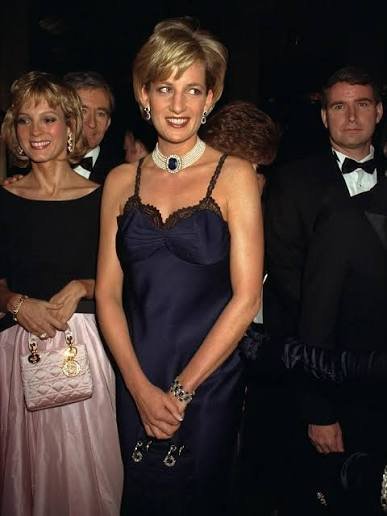
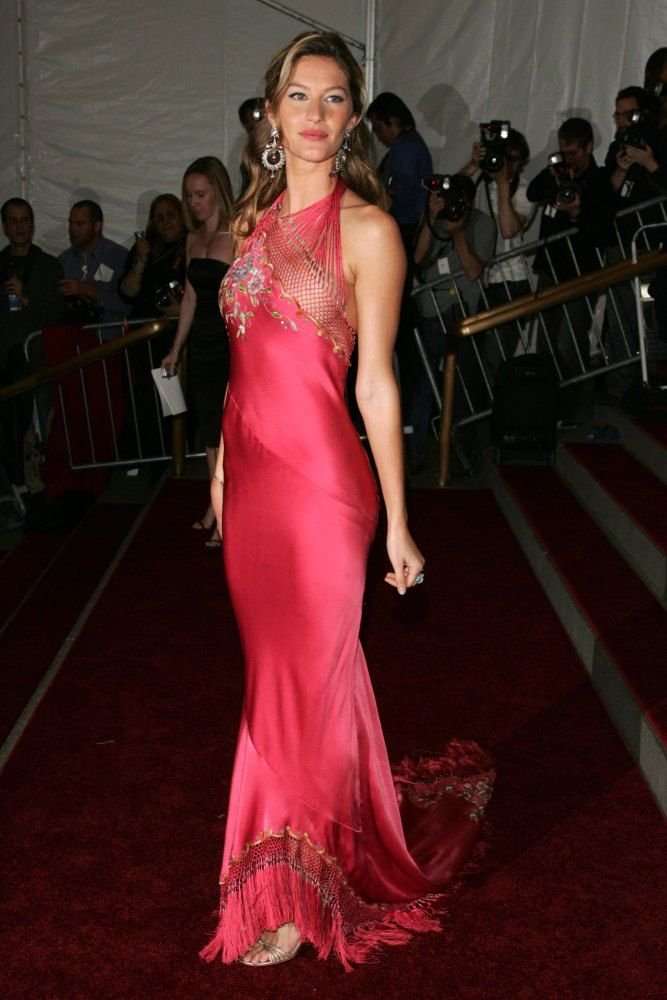
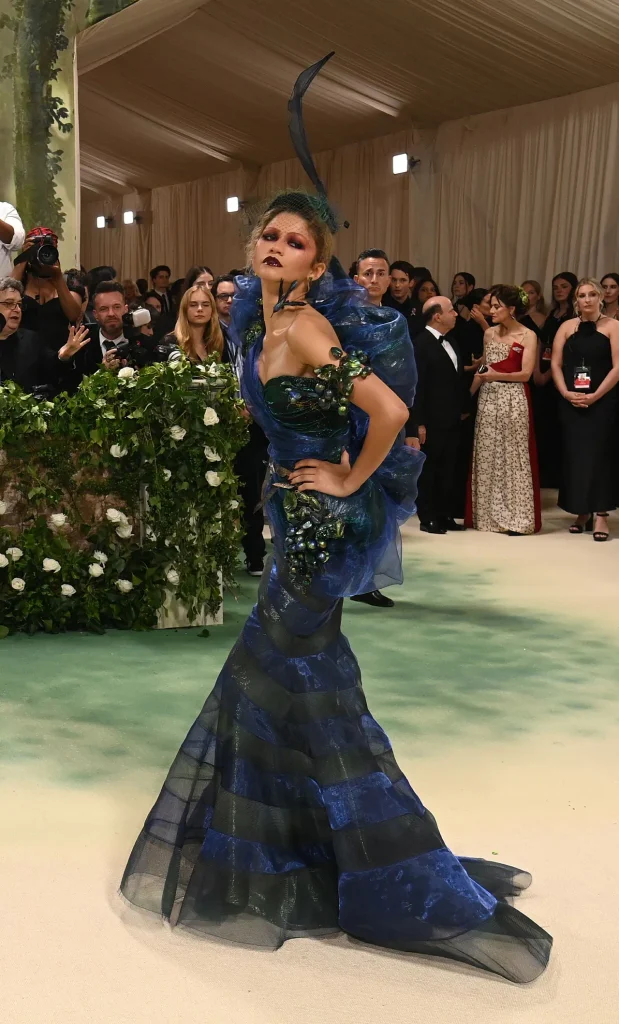
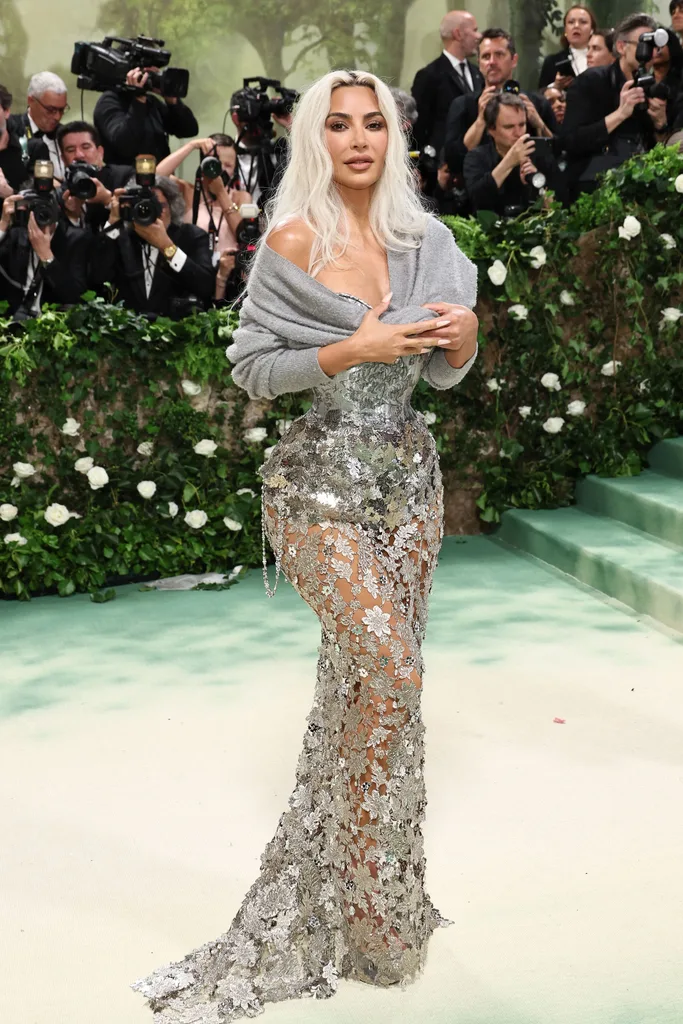
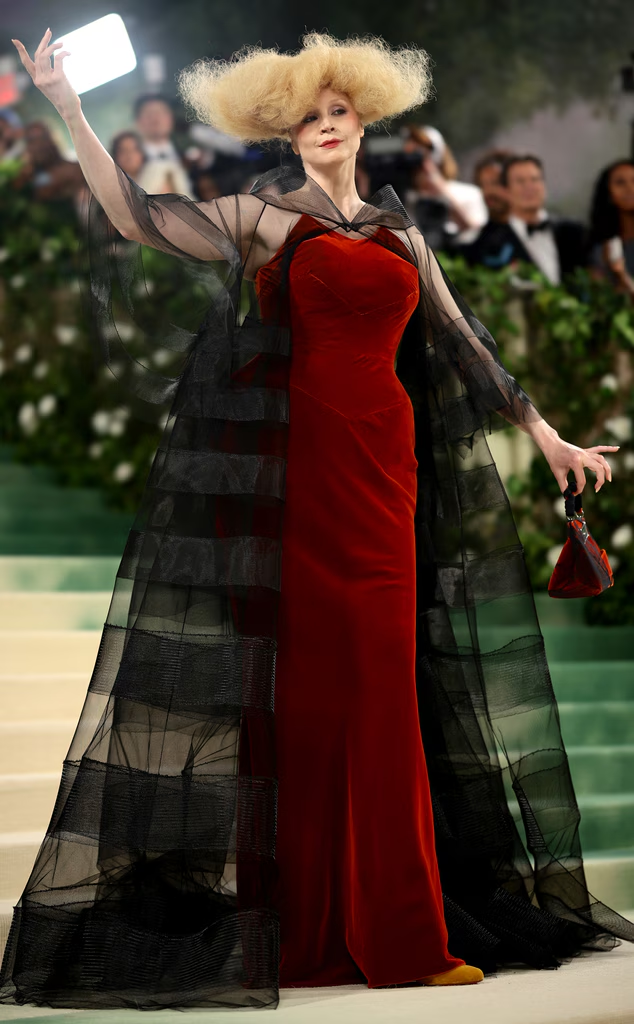
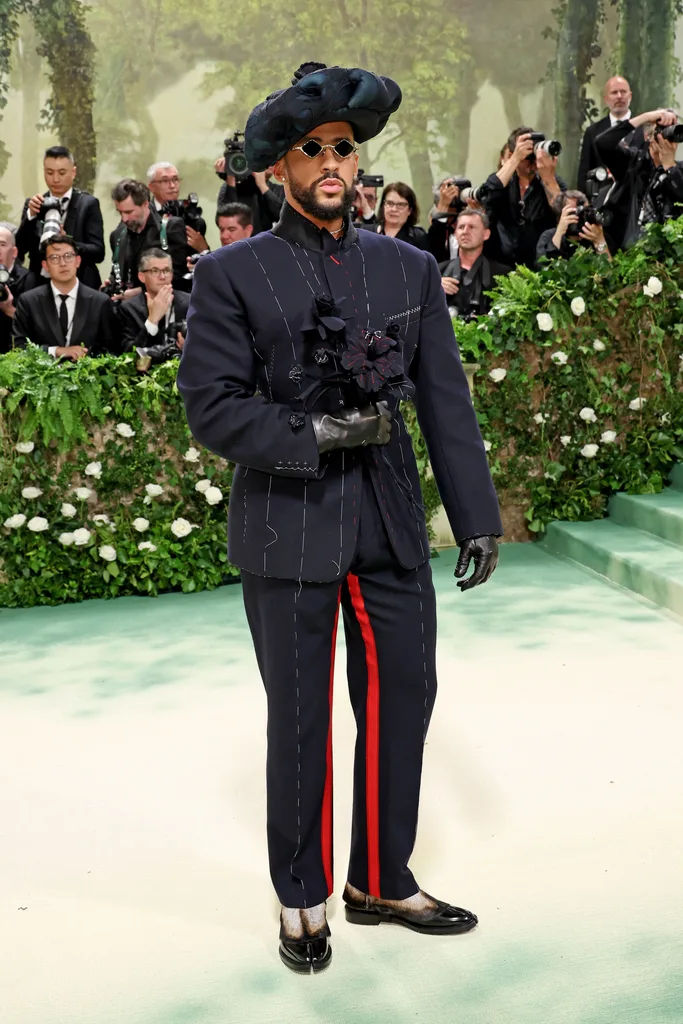
Yet, it was the 2024 Met Gala that officially cemented Galliano’s design language as the beating heart of contemporary red-carpet storytelling. In a tour de force of personal styling, Zendaya offered a masterclass in his creative evolution by appearing in two distinct looks: first, a surrealist, jewel-toned custom Maison Margiela Artisanal gown that mirrored the theatrical romance of his current work, followed by a dramatic archival 1996 black Givenchy dress that honored his early Paris tenure.
That same evening, the Met steps became a direct extension of his viral Artisanal SS24 runway. Kim Kardashian arrived encased in an hourglass-sculpted silver corset juxtaposed with a delicate chainmail skirt, while co-chair Bad Bunny embodied deconstructed tailoring in a basting-stitched navy Margiela tuxedo paired with a custom floral headpiece. Gwendoline Christie further amplified the operatic atmosphere in a billowing velvet coat over sheer crinoline. Whether draped on British royalty in the nineties or worn by global icons today, Galliano’s pattern-making genius remains haute couture’s most potent theatrical weapon.
The latest chapter in Galliano’s evolving narrative lies in his strategic engagement with mass-market retail through his high-profile collaboration with ZARA.
Bringing haute-couture pattern-cutting logic, bias-cut drapes, and deconstructed tailoring to a global high-street audience represents a radical shift. For decades, Galliano’s work was accessible only to haute couture VICs and museum archives. Through this partnership with ZARA, the architectural rigor and theatrical drape of his design philosophy become available to a new generation of digital-native fashion enthusiasts, democratizing haute couture without diluting its technical soul.
John Galliano remains haute couture’s ultimate contradiction: a creator who pushed the boundaries of human imagination to its absolute limits, suffered an explosive public fall, and rebuilt his legacy through pure craft and technical genius. In an era increasingly dominated by commercial minimalism, his work stands as an unyielding testament to fashion as a living, breathing art form.
All images featured in this article are credited to owners . They are used for editorial and illustrative purposes only, with no commercial intent. All rights remain with their respective owners.