 111
111 2
2 3
3 4
4 5
5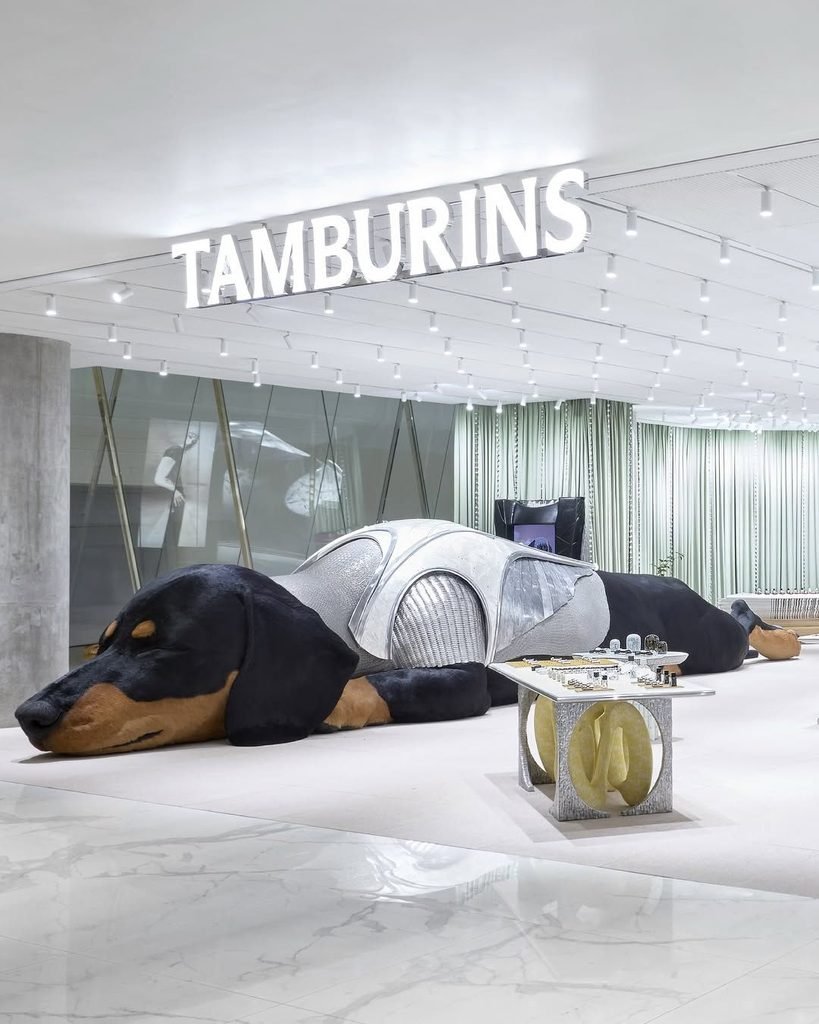 6
6 7
7 8
8
Walking through the alleyways of Harajuku, the crosswalks of Shibuya, or the curated vintage sanctuaries of Shimokitazawa, one quickly realizes that Tokyo’s youth aren’t merely revisiting the past—they are warping it into something entirely unexpected. The Y2K revival that swept global fashion over recent seasons has evolved on the streets of Japan into a hyper-distinct, tactile phenomenon: Cyber Y2K and Retro-Futurism.
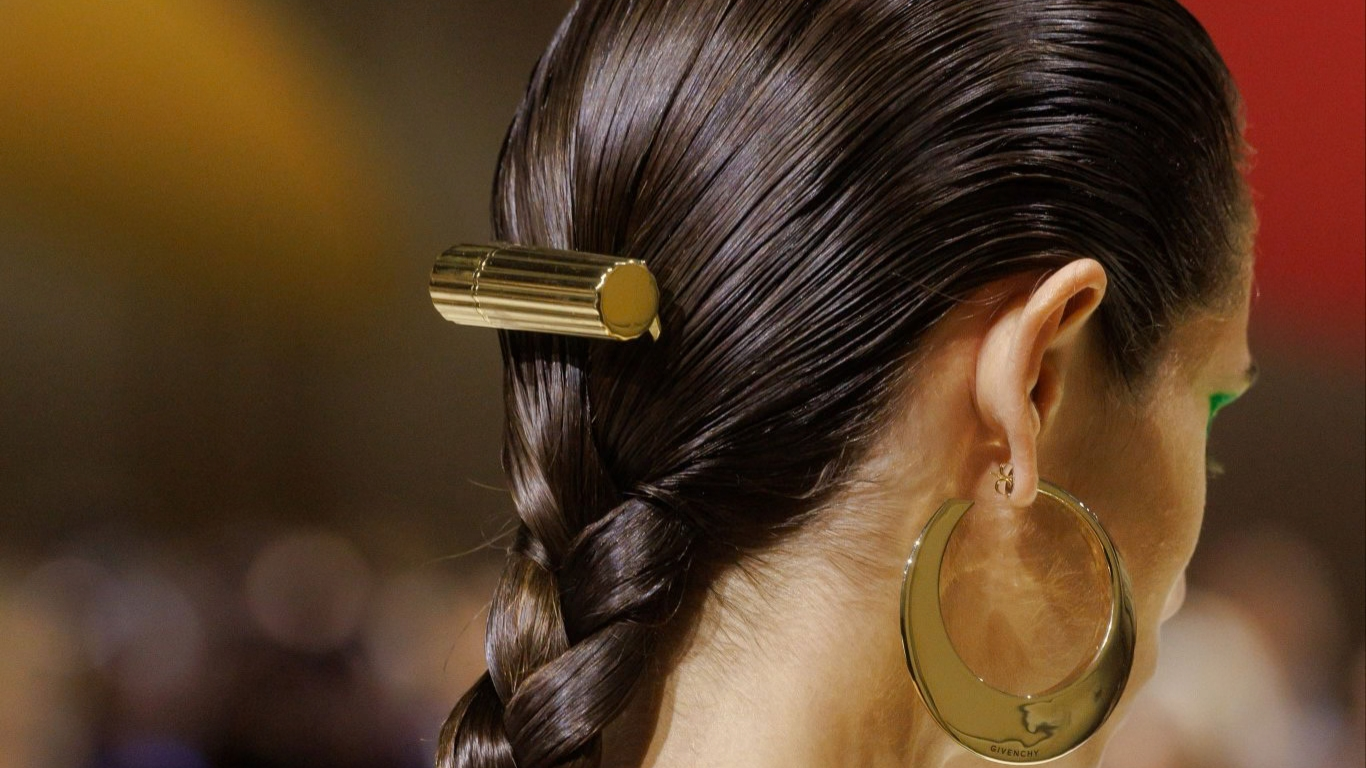
Forget subtle nostalgia or understated minimalism. Tokyo’s Gen Z embraces high-octane reflectivity as daily armor. Chrome-coated denim pants glint beneath Shibuya’s neon lights, paired effortlessly with liquid-metallic leather miniskirts, hyper-reflective silver puffers, and shimmering second-skin tops.
This isn’t just a color palette; it’s a sensory universe. The aesthetic merges technical performance wear with cyber-subculture codes: oval shield sunglasses, towering platform boots, utility harnesses, and cascades of metallic hardware and industrial chains.
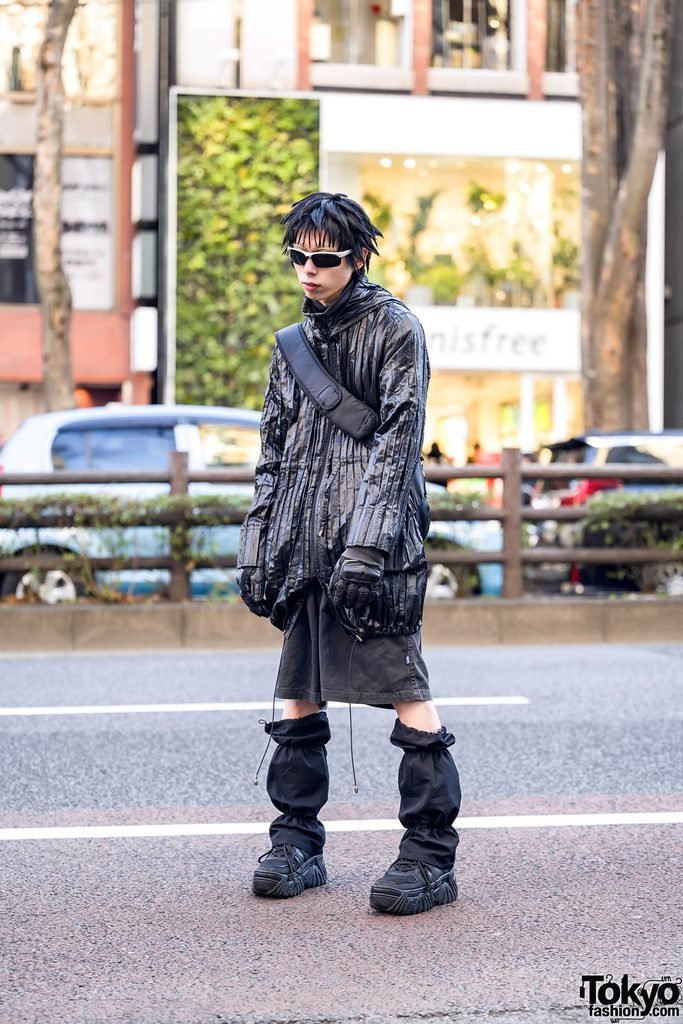

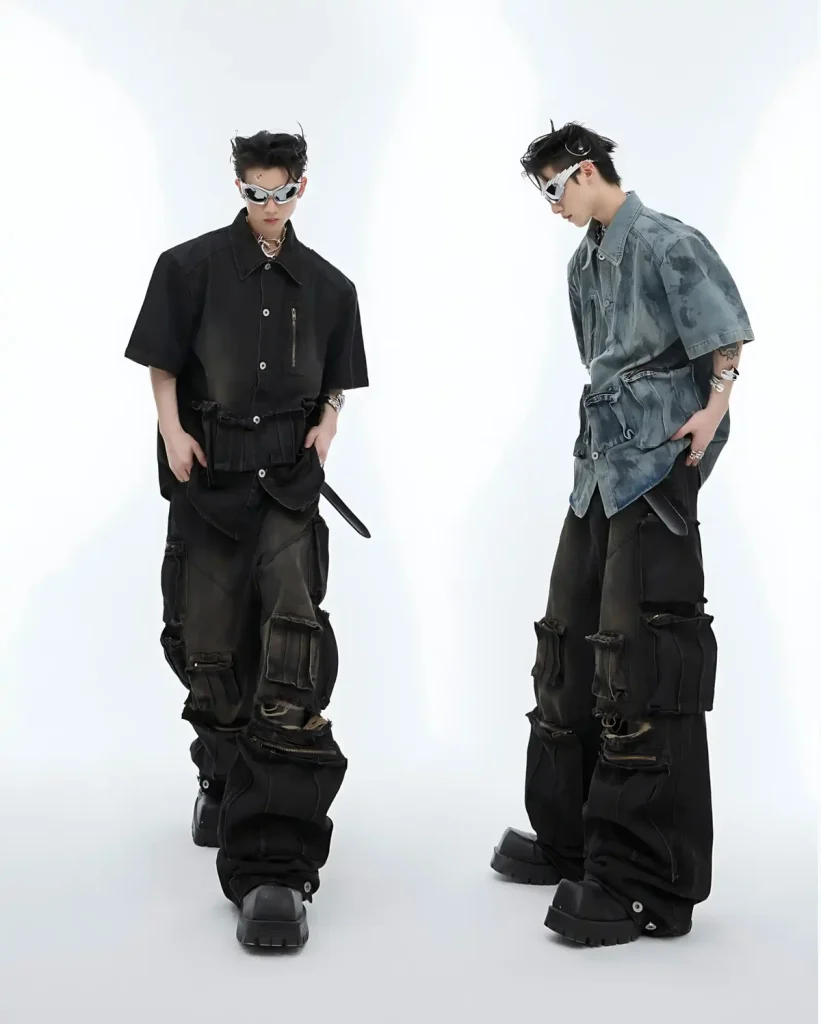
Perhaps the most poetic dimension of this trend is its seamless fusion with Tenshi Kaiwai—the “angelic realm” subculture. This movement softens the aggressive edges of cyber-futurism by weaving ethereal whites, delicate sky-blues, and pearlescent silvers into technical silhouettes.
Oversized utility hoodies featuring subtle wing motifs, sheer organza overlays, and chrome hardware create a look that feels equal parts celestial and cybernetic—a sanctuary of soft-tech poetry tailored for a hyper-digitized generation.
This street-level energy is deeply intertwined with both Japan’s emerging talents and its revered design heritage:
What makes Tokyo’s Cyber Y2K so captivating isn’t merely its visual drama—it’s its emotional resonance. In a world increasingly mediated by digital screens, Japan’s Gen Z wears the future on their sleeves, transforming liquid silver and chrome armor into an intimate canvas of self-expression.
All images featured in this article are credited to owners . They are used for editorial and illustrative purposes only, with no commercial intent. All rights remain with their respective owners.