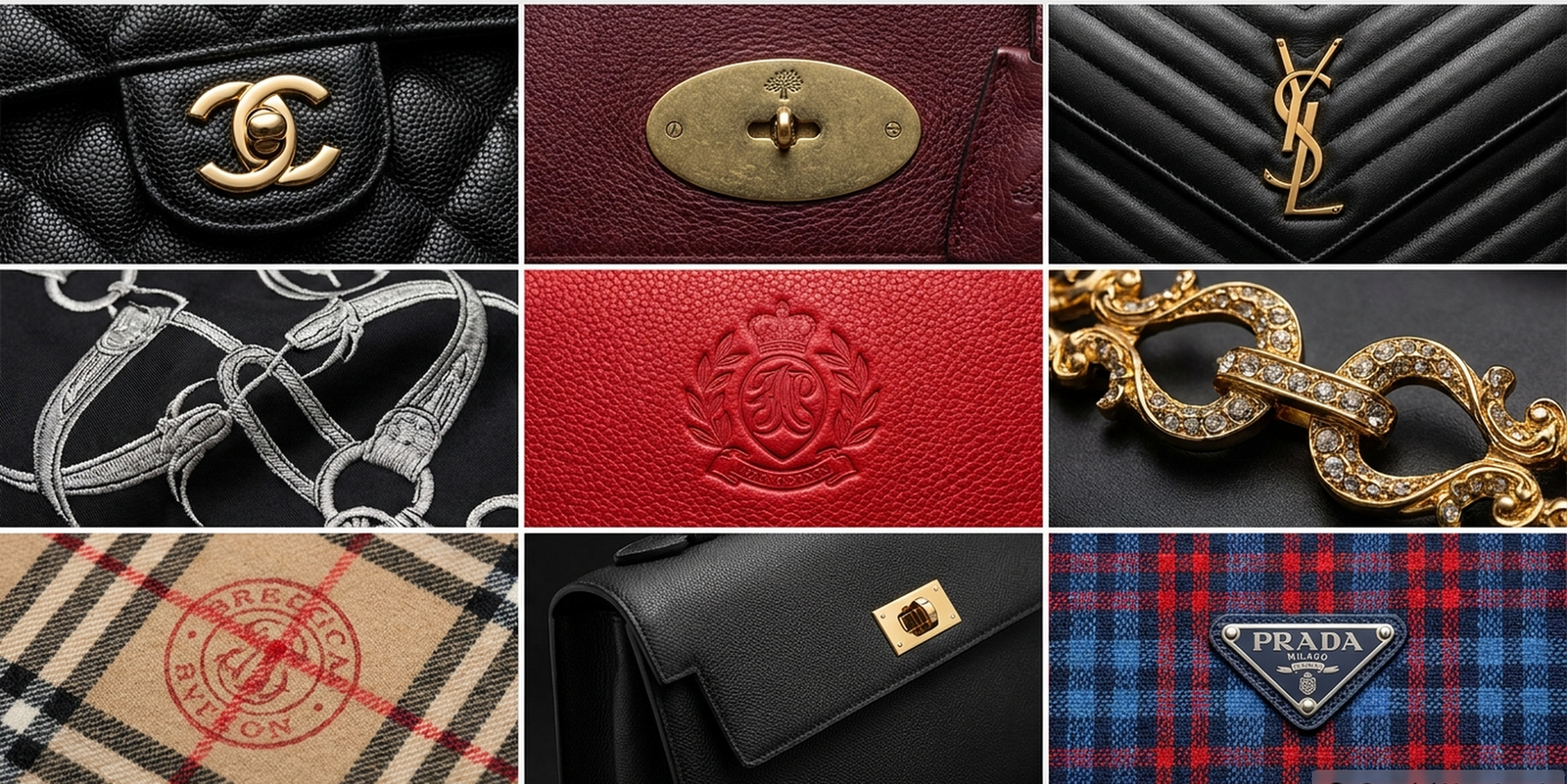
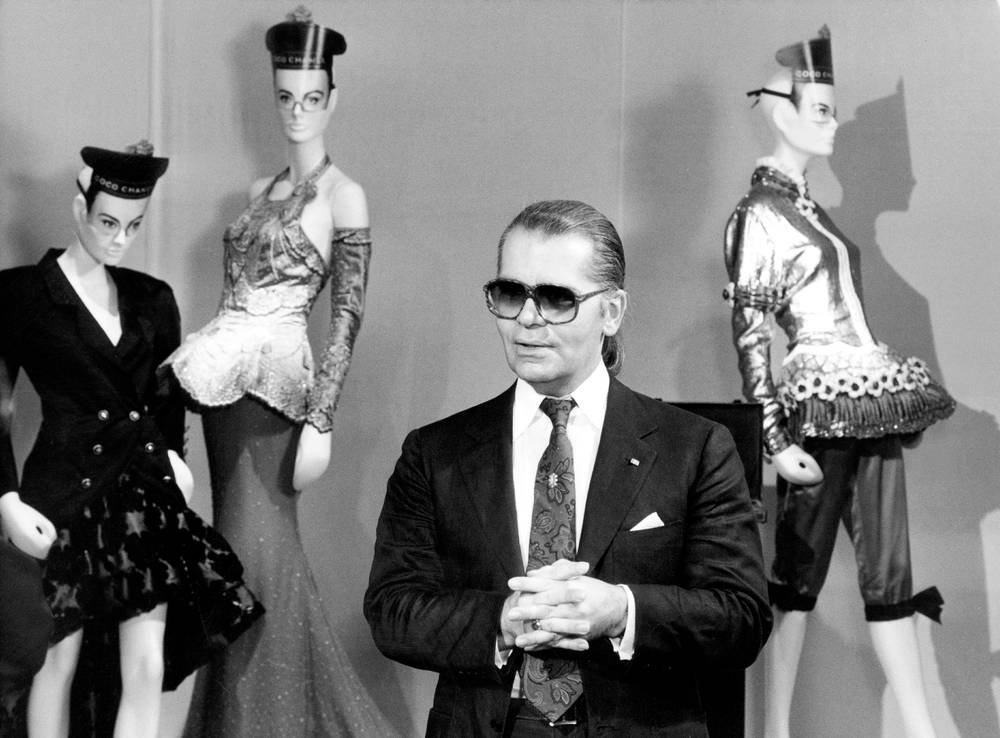
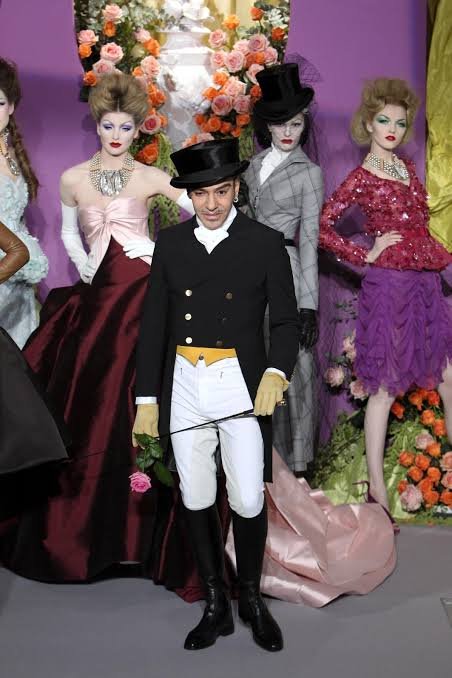
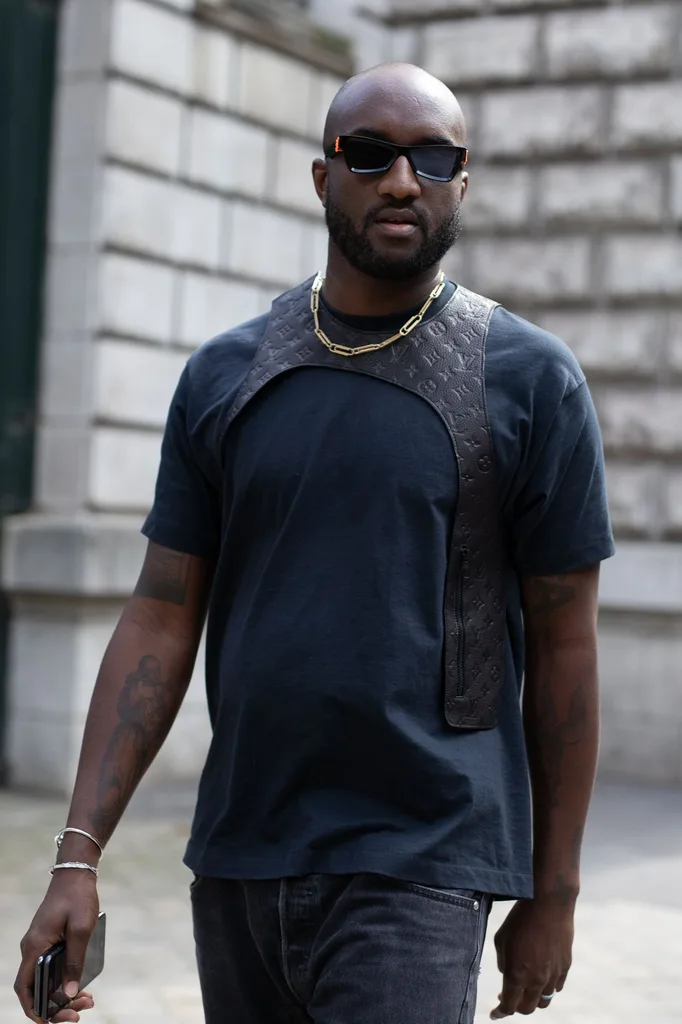
In the high-stakes world of fashion, a luxury house’s identity is constantly reinterpreted through the eyes of its Creative Director. From revolutionary visionaries who invent entirely new silhouettes to modern directors who turn heritage codes into viral global phenomena, the creative lead dictates the cultural rhythm of the house.
To help you navigate the dizzying history of fashion leadership, here you have the Top 10 Luxury Houses in fashion history.
1. CHANEL (Founded 1010 by Gabrielle “Coco” Chanel)
Coco Chanel (1910–1971): Liberated women from restrictive corsetry, introducing jersey fabrics, the iconic tweed suit, costume jewelry, the Little Black Dress (LBD), and Chanel No. 5.
Karl Lagerfeld (1983–2019): Saved the house from obsolescence. Lagerfeld modernized Chanel by satirizing and magnifying its signatures (interlocking CCs, pearls, tweed, chain straps) through legendary Grand Palais runway spectacles.
Virginie Viard (2019–2024): Lagerfeld’s long-time right hand brought a softer, pragmatic, and understatedly feminine touch to the brand, focusing on wearable Parisian elegance.
2. CHRISTIAN DIOR (Founded 1946 by Christian Dior)
Christian Dior (1946–1957): Created the revolutionary “New Look” in 1947—nipped waists, padded hips, and voluminous skirts that restored opulence to post-war fashion.
Yves Saint Laurent (1957–1960): Took over at just 21 years old after Dior’s sudden passing, introducing the freer, A-line “Trapeze” dress before being called for military service.
Marc Bohan (1960–1989): Defined the house for nearly three decades with his refined, conservative “Slim Look,” favored by royalty and Hollywood icons like Grace Kelly.
Gianfranco Ferré (1989–1996): Known as the “Architect of Fashion,” the Italian designer brought sculptural, dramatic, and opulent haute couture craftsmanship to the French house.
John Galliano (1996–2011): Transformed Dior into a theatrical, narrative-driven fantasy world. His tenure produced legendary, ultra-maximalist couture shows filled with historical romance and drama.
Raf Simons (2012–2015): Shifted the house toward architectural minimalism, reinterpreting Dior’s classic silhouettes through clean, modern tailoring and memorable floral installations.
Maria Grazia Chiuri (2016–Present): Dior’s first female creative director placed feminist narratives, global craft heritage, and wearable, commercial luxury at the heart of the house.
3. LOUIS VUITTON (Fashion Line Launched 1997)
Marc Jacobs (1997–2013): Launched Louis Vuitton’s ready-to-wear line and pioneered groundbreaking artist collaborations with Takashi Murakami, Richard Prince, and Yayoi Kusama.
Nicolas Ghesquière (Womenswear, 2013–Present): Infused the house with sci-fi romanticism, futuristic tailoring, architectural leather goods, and structural silhouettes.
Kim Jones (Menswear, 2011–2018): Revolutionized luxury menswear by bridging high fashion with street culture, culminating in the historic Louis Vuitton x Supreme collaboration.
Virgil Abloh (Menswear, 2018–2021): Re-engineered luxury for Gen Z, bringing streetwear ethos, boyhood wonder, diverse cultural representation, and viral concept design to the house.
Pharrell Williams (Menswear, 2023–Present): Expanded the “LVERS” philosophy, introducing digital “Damoflage” patterns, mega-scale Pont Neuf runway shows, and pop-culture spectacles.
4. GUCCI (Founded 1921 by Guccio Gucci)
Guccio Gucci & Family (1921–1993): Established the house’s equestrian heritage, introducing signature bamboo handles, horsebit loafers, and the green-red-green web stripe.
Tom Ford (1994–2004): Saved Gucci from near bankruptcy in the ’90s by introducing high-octane, hyper-sexualized glamour, velvet suits, metallic accents, and provocative campaigns.
Alessandra Facchinetti (2004–2005) & Frida Giannini (2005–2015): Shifted the focus toward polished Italian jet-set elegance, reviving archival Flora prints and refined leather goods.
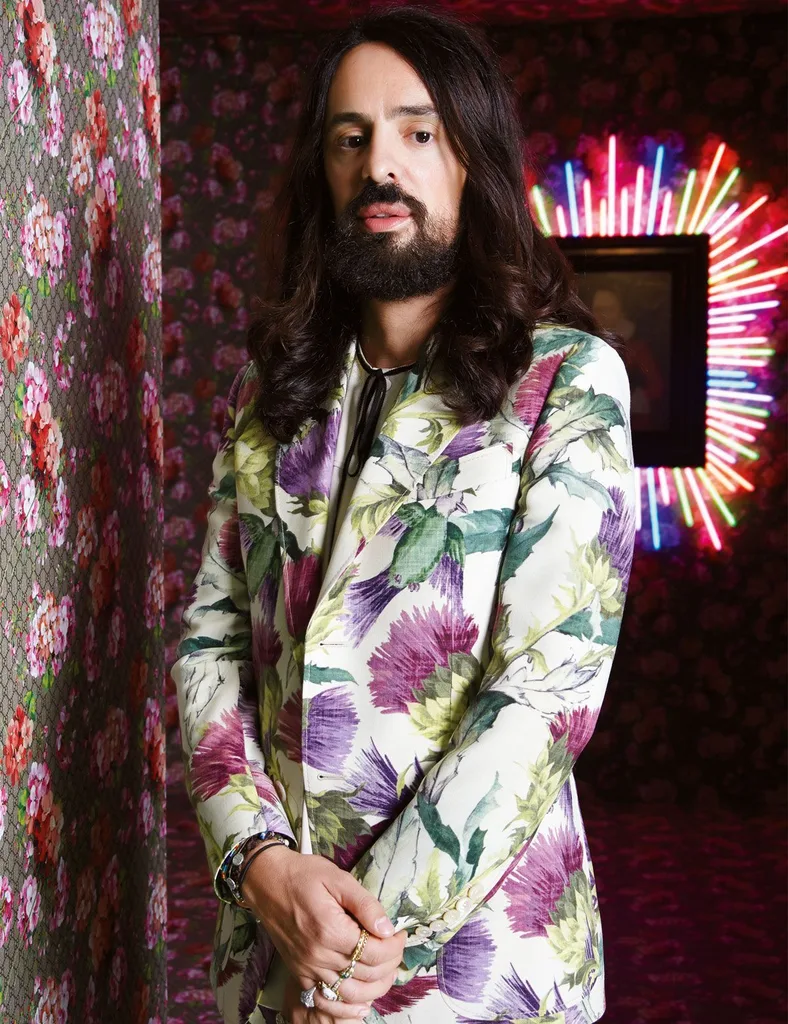
Alessandro Michele (2015–2022): Orchestrated a massive cultural reset with eclectic maximalism, vintage gender-fluid romanticism, geek-chic aesthetics, and theatrical runway shows.
Sabato De Sarno (2023–Present): Stripped away the maximalism in favor of “Gucci Ancora”—an era defined by understated Italian luxury, rich Burgundy tones, sleek tailoring, and sensual simplicity.
5. SAINT LAURENT (Founded 1961 by Yves Saint Laurent & Pierre Bergé)
Yves Saint Laurent (1961–2002): One of the most influential designers in history. Created “Le Smoking” (the first tuxedo for women), Beatnik leather jackets, the Mondrian dress, and safari jackets.
Alber Elbaz (Rive Gauche Ready-to-Wear, 1998–2000): Delivered fluid, graceful Parisian elegance for the house’s ready-to-wear line.
Tom Ford (2000–2004): Brought his signature sensual drama and sharp, seductive tailoring to YSL alongside his work at Gucci.
Stefano Pilati (2004–2012): Focused on chic, intellectual restraint, sculptural silhouettes, tulip skirts, and refined French tailoring.
Hedi Slimane (2012–2016): Rebranded the house to “Saint Laurent Paris,” relocating the studio to Los Angeles and introducing a rock ‘n’ roll grunge aesthetic, ultra-skinny suiting, and biker jackets.
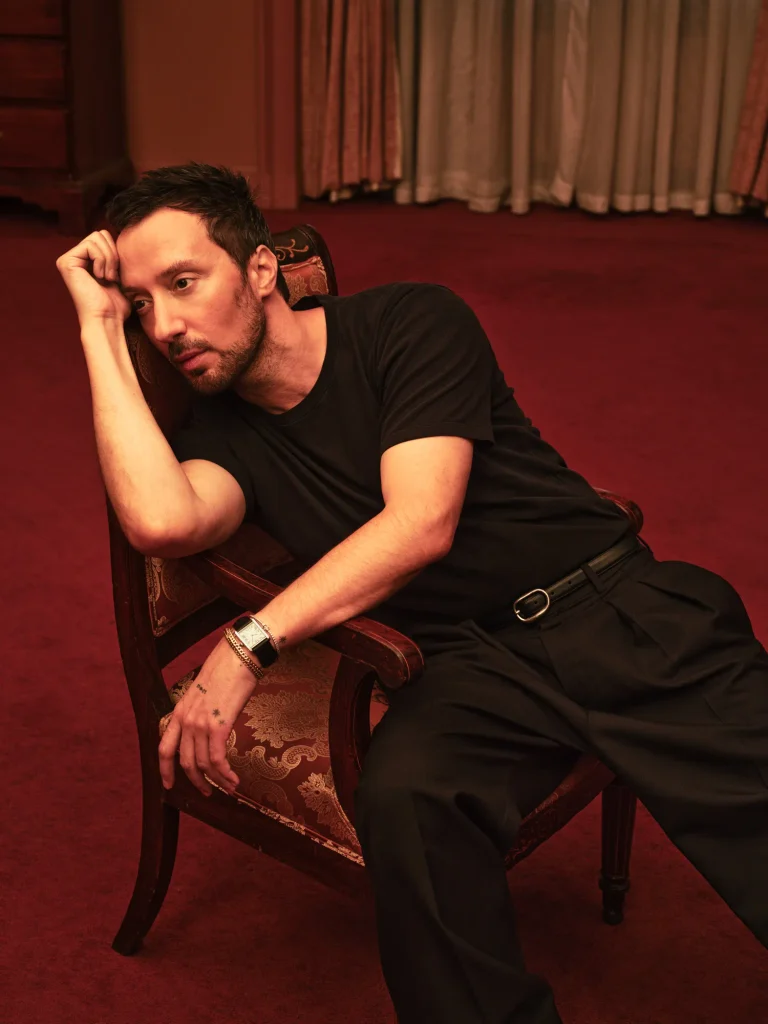
Anthony Vaccarello (2016–Present): Mastered nocturnal Paris glamour—exaggerated razor-sharp shoulders, liquid leather, floor-sweeping coats, and Eiffel Tower runway backdrops.
6. BALENCIAGA (Founded 1919 by Cristóbal Balenciaga)
Cristóbal Balenciaga (1919–1968): Revered as “The Master of Us All” by Christian Dior. Pioneered radical architectural shapes including the cocoon coat, sack dress, baby-doll dress, and balloon jacket.
Michel Goma (1987–1992) & Josephus Thimister (1992–1997): Revived the house post-closure with ready-to-wear collections.
Nicolas Ghesquière (1997–2012): Restored Balenciaga to critical acclaim with futuristic tailoring, sci-fi silhouettes, and the iconic Lariat “City” bag.
Alexander Wang (2012–2015): Blended American sportswear and dark athletic minimalism with Balenciaga’s structural heritage.
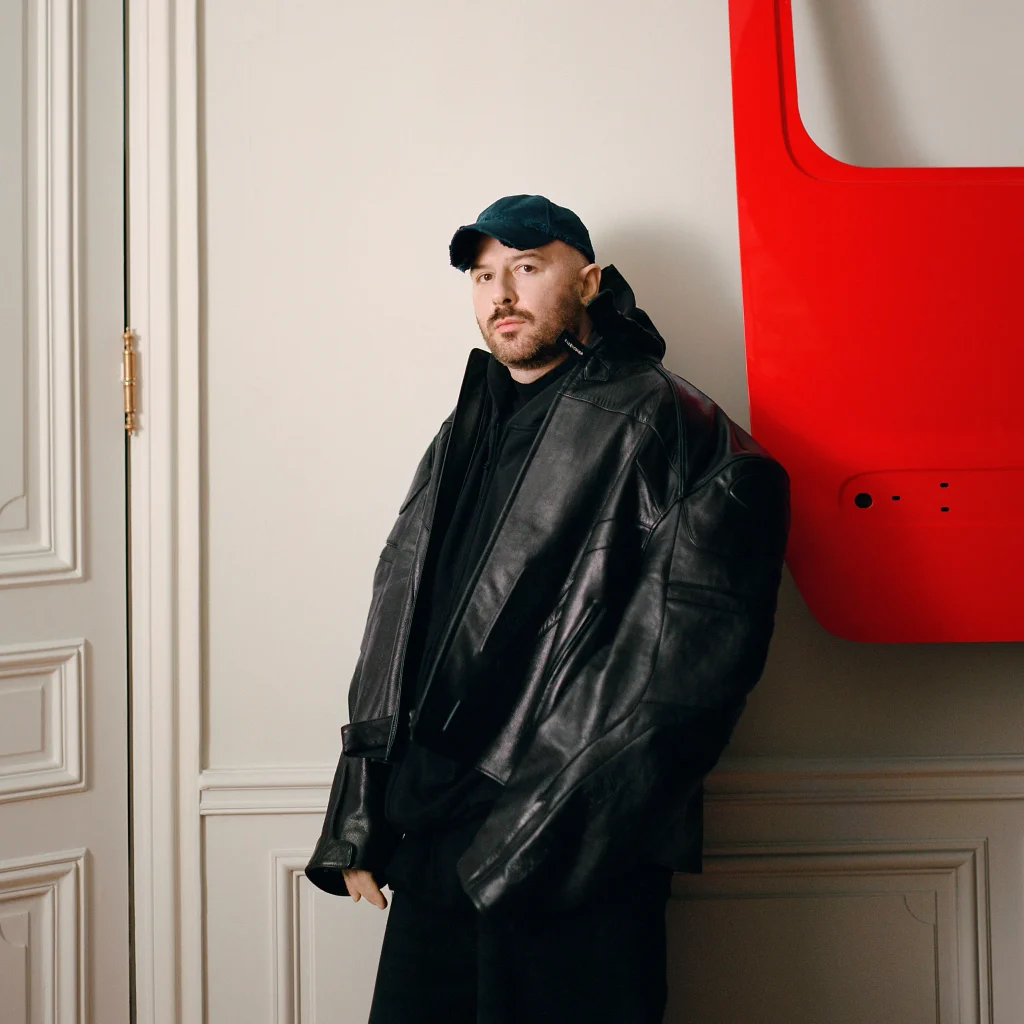
Demna Gvasalia (2015–Present): Redefined modern luxury through anti-fashion commentary, viral oversized streetwear (Triple S sneakers, hour-glass blazers), meme culture, and the revival of Balenciaga Haute Couture.
7. PRADA (Founded 1913 by Mario Prada)
Mario & Luisa Prada (1913–1978): Founded as a fine leather goods and trunk shop in Milan.
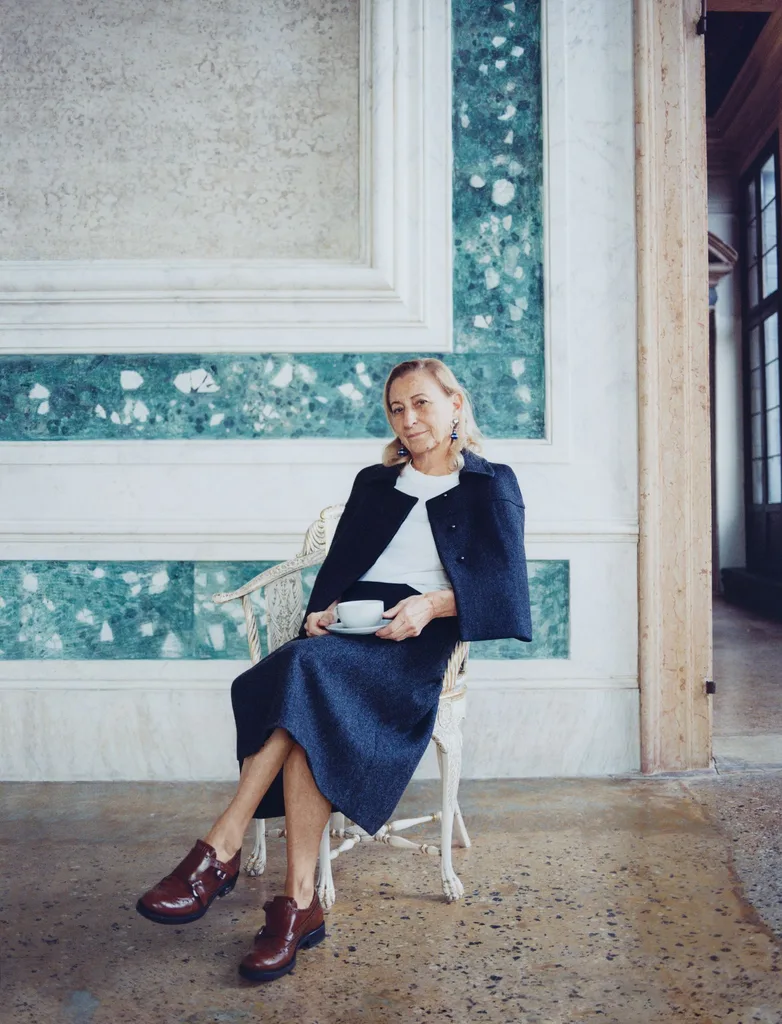
Miuccia Prada (1978–Present): Revolutionized the industry by launching industrial black Pocone nylon backpacks in 1984, inventing “Ugly Chic,” and turning Prada into an intellectual, art-driven powerhouse.
Miuccia Prada & Raf Simons (Co-Creative Directors, 2020–Present): Formed a unique creative partnership, engaging in a continuous aesthetic dialogue that fuses Miuccia’s subversive elegance with Raf’s youth-culture minimalism.
8. GIVENCHY (Founded 1952 by Hubert de Givenchy)
Hubert de Givenchy (1952–1995): Epitomized aristocratic French elegance, famous for his lifelong friendship with muse Audrey Hepburn (creating her iconic Breakfast at Tiffany’s dress).
John Galliano (1995–1996) & Alexander McQueen (1996–2001): British enfant terribles who brought rebellious romanticism and dark, sharp tailoring to the historic house.
Julien Macdonald (2001–2004): Focused on glamorous, feather-accented red-carpet eveningwear.
Riccardo Tisci (2005–2017): Pioneered gothic romanticism, dark athletic luxury, and viral graphic streetwear (Rottweiler prints), transforming Givenchy into a celebrity favorite.
Clare Waight Keller (2017–2020): Givenchy’s first female creative director, known for designing Meghan Markle’s royal wedding gown and restoring fluid Parisian haute couture.
Matthew M. Williams (2020–2023): Injected industrial hardware, 1017 ALYX 9SM streetwear elements, and edgy hardware into the brand.
Sarah Burton (2024–Present): The former Alexander McQueen director brings her legendary tailoring expertise, dark romantic sensibility, and refined craftsmanship to a new chapter for Givenchy.
9. VERSACE (Founded 1978 by Gianni Versace)
Gianni Versace (1978–1997): Invented the supermodel era and defined ’90s glamour with bold baroque prints, safety-pin dresses, metal-mesh Oroton fabrics, and uninhibited sensuality.
Donatella Versace (1997–2025): Preserved and expanded her brother’s legacy for nearly three decades, delivering iconic pop-culture moments like Jennifer Lopez’s green Jungle dress.
Pieter Mulier (2025/2026–Present): Appointed to lead the brand into a new era, combining sensual architecture with modern sculptural tailoring.
10. HERMÈS (Founded 1837 by Thierry Hermès)
Thierry Hermès & Family (1837–1997): Established unmatched equestrian leather craftsmanship, creating the immortal Birkin and Kelly bags.
Martin Margiela (Womenswear, 1997–2003): Delivered a masterclass in quiet luxury—deconstructed radical simplicity, fluid tailoring, neutral palettes, and timeless elegance.
Jean Paul Gaultier (Womenswear, 2003–2010): Brought dramatic flair, equestrian leather craftsmanship, and cinematic runway shows to the house.
Christophe Lemaire (Womenswear, 2010–2014): Returned to understated minimalism, luxurious drapes, and effortless sophistication.
Nadège Vanhee-Cybulski (Womenswear, 2014–Present): Elevates tactile modernism, quiet luxury, and exquisite leather craftsmanship for the contemporary woman.
All images featured in this article are credited to owners . They are used for editorial and illustrative purposes only, with no commercial intent. All rights remain with their respective owners.
 1
1 2
2 3
3 4
4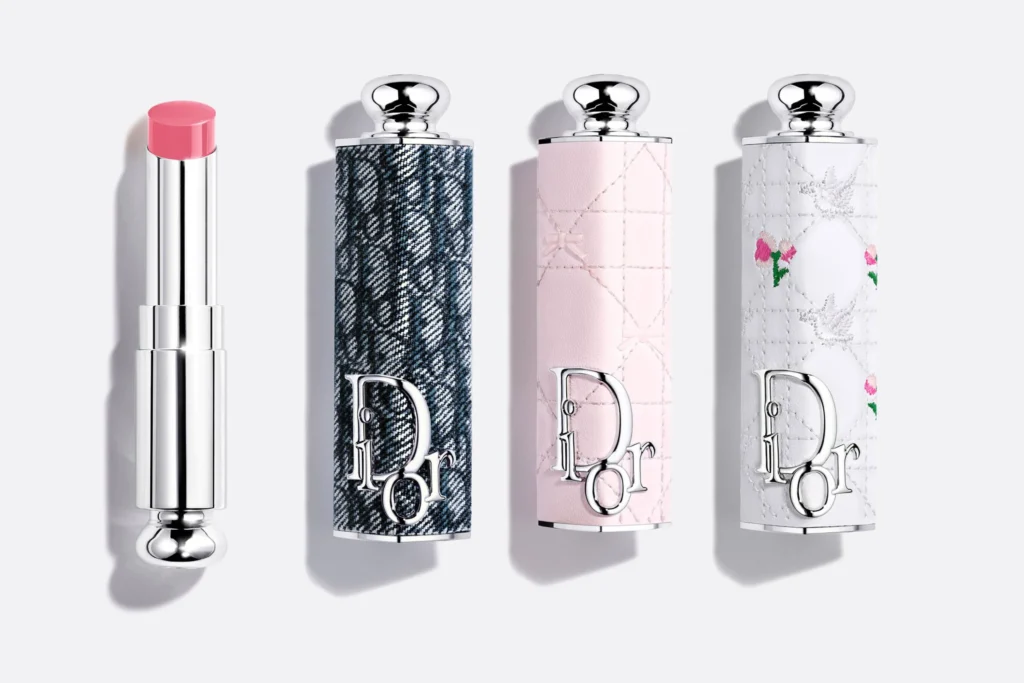 5
5 6
6 7
7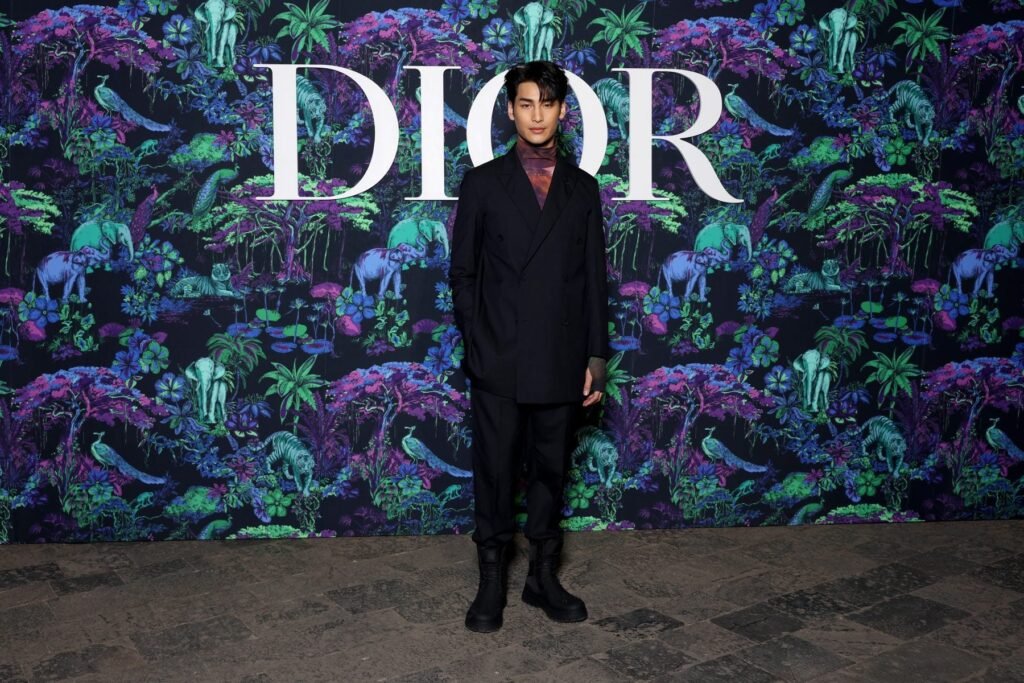 8
8