 111
111 2
2 3
3 4
4 5
5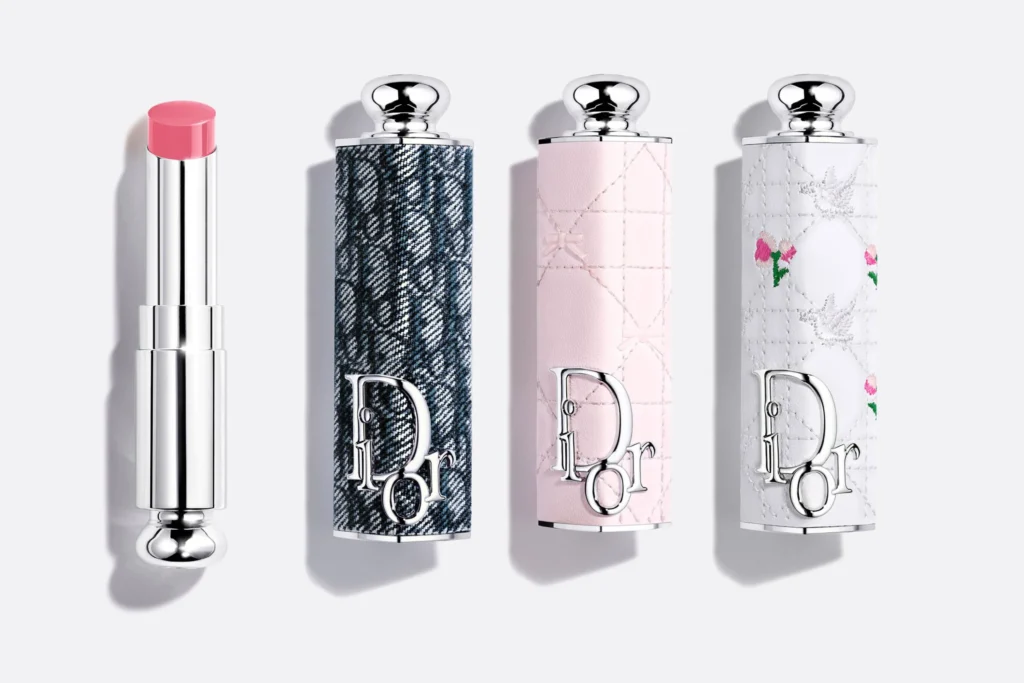 6
6 7
7 8
8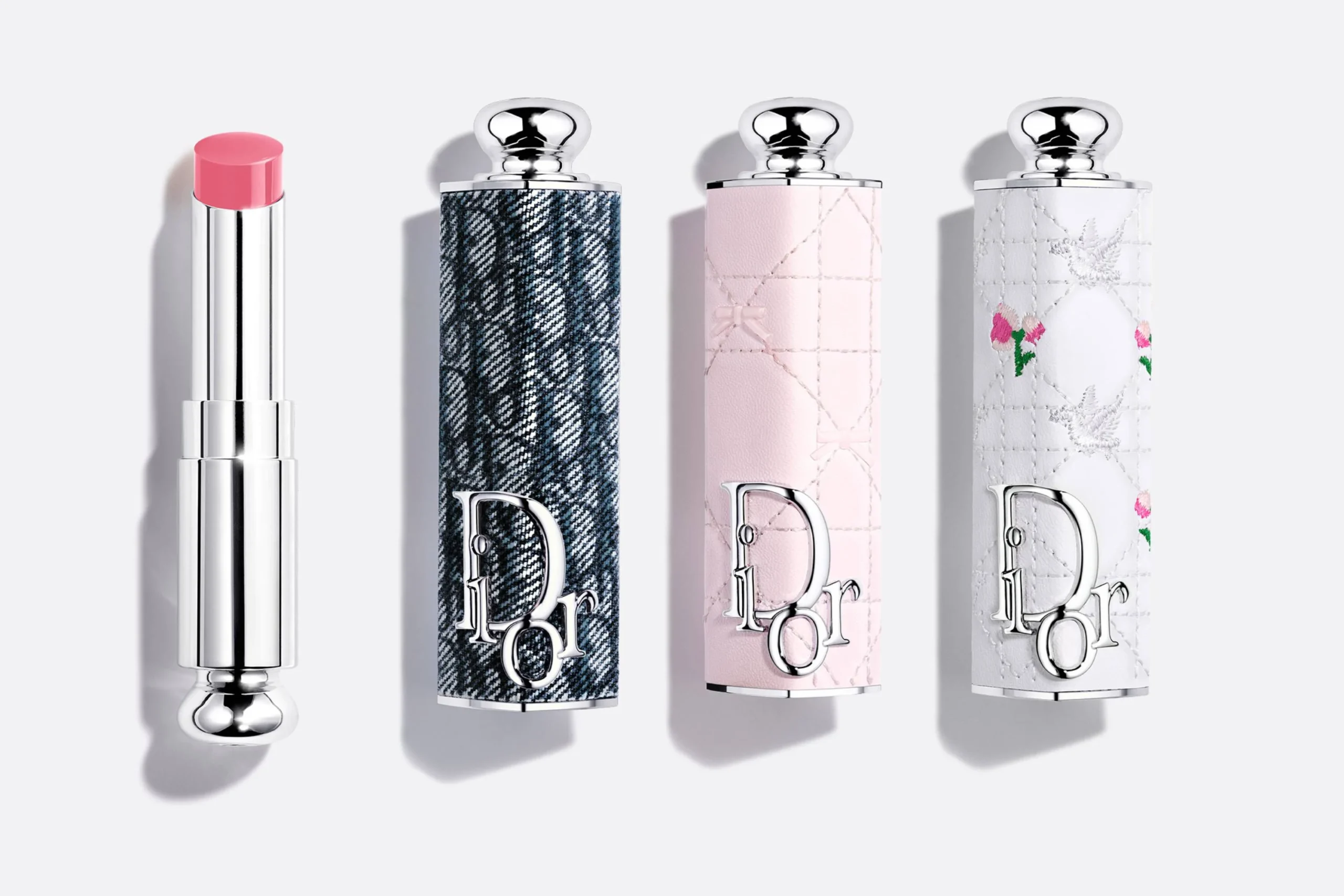
To understand the house of Dior is to understand that beneath the soft, sweeping lines of the New Look lies a quiet, persistent rebellion. In the post-war grayness of 1947, Christian Dior did not just set out to dress women in tulle and silk; he set out to magnify the beauty of their smiles. Behind the scenes of the legendary house at 30 Avenue Montaigne, the designer’s personal world was steeped in botany. He appointed his childhood friend, Serge Heftler Louiche, to lead his fragrance arm, while his own sister, Catherine Dior, farmed the roses and jasmines that would define the house’s olfactory destiny. Christian was known to secretly sew a sprig of Lily of the Valley into the hems of his haute couture gowns for luck—a poetic gesture proving that, for Dior, true luxury has always been something deeply felt, intimate, and organic.
Decades later, as the house operates from its ultra-modern headquarters in Neuilly-sur-Seine, that delicate balance between raw sensory pleasure and rigorous discipline remains unchanged. From the classic swipe of a crimson lip to the microscopic marvels of their skin-mimicking bases, Dior has spent over half a century reconciling the fantasy of couture with the reality of living.
The Red Manifesto
“I love red,” Christian Dior once mused, “it is the color of life.” For Monsieur Dior, red was not a mere cosmetic; it was a talisman. When the iconic Rouge Dior was officially born in 1953, dressed in a sleek cap inspired by the obelisk of the Place de la Concorde, it instantly became a weapon of self-expression. It was the armor of choice for Hollywood’s most uncompromising women: Marlene Dietrich famously refused to wear anything other than her beloved shades nº5 and nº28, while Grace Kelly housed her obelisk lipsticks and precious refills in a carved antique Chinese chest gifted directly by the Maison.
THE DIOR COLOR ANTHOLOGY:
   • 999: The ultimate carmine, evolved from Dior's first lipsticks, 9 and 99
   • Grège 1947: A whisper of gray and beige, mirroring the classic Bar Jacket
   • Trafalgar: A theatrical coral splash designed to disrupt the runway
   • Darling: A vibrant, color pink inspired by Dior's muses
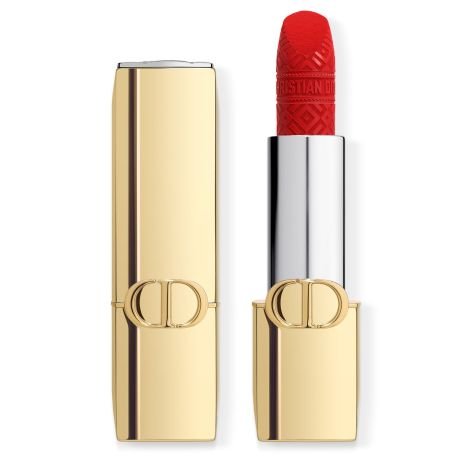
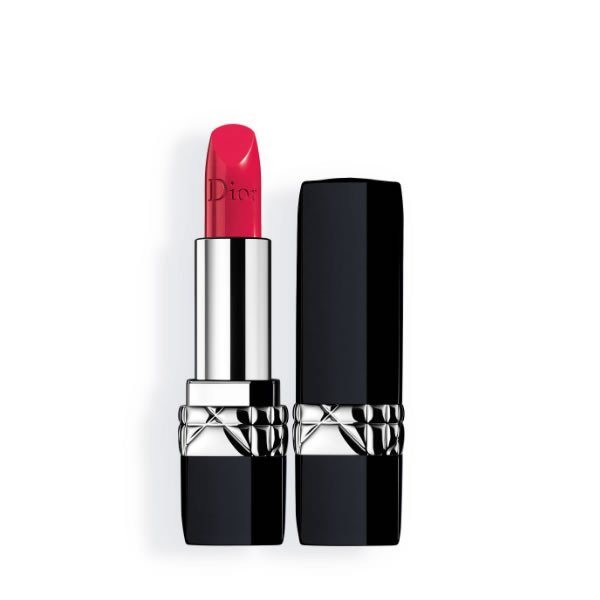
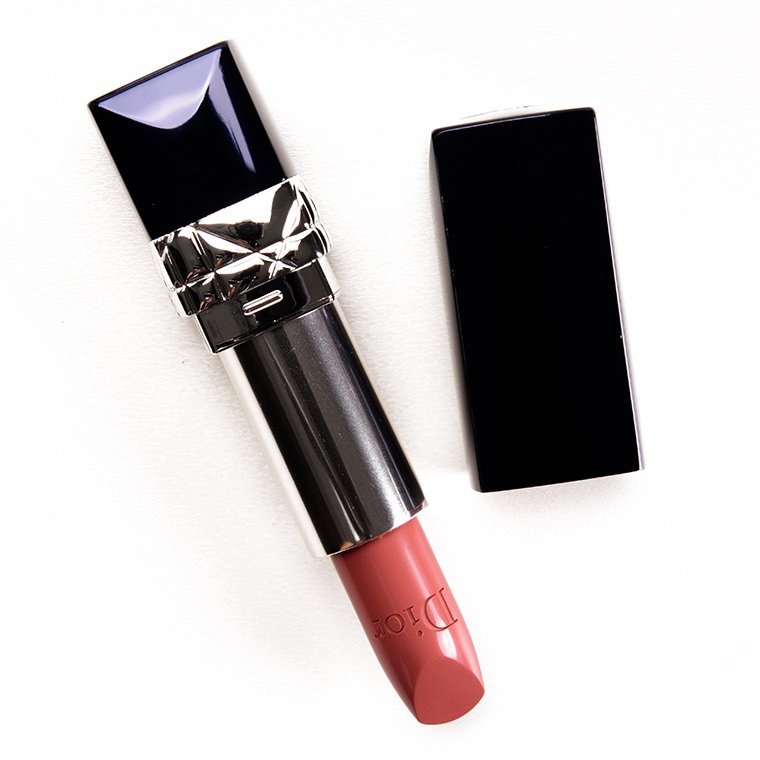
These shades did not merely sit on the lips; they told stories. Consider Trafalgar, a bright coral named after the sudden, shocking red dresses Dior would send down the runway in the middle of a 140-model show to startle the audience back to attention. Or Grège 1947, a delicate tension between gray and beige that carried the architectural soul of the historic Bar Jacket straight onto the skin.
The Backstage Revolution
If the mid-century was defined by structured, untouchable glamour, the modern era belongs to effortless, lived-in luxury. Since taking the reins as Makeup Creative and Image Director in 2014, Peter Philips has masterminded a shift toward skin that breathes.
Enter the Dior Backstage Face & Body Foundation. Born from the frantic, high-pressure energy of fashion show dressing rooms, Philips created a formula designed to look as flawless under the harsh glare of a photographer’s lens as it does on a sunny street. It stripped away the heavy, mask-like finish of traditional professional makeup in favor of a fluid, second-skin texture.
Housed in a practical, squeeze-and-use plastic bottle, it offers a massive 42-shade spectrum across varying undertones. It is buildable luxury at its most democratic: a single layer mimics the sheer, dewy wash of a BB cream, while three layers achieve high-perfection coverage without hiding the skin’s natural luminosity. It is waterproof, sweat-resistant, and famously pilates-proof—a high-tech, matte-luminous canvas engineered for lives that are beautiful, messy, and real.
The Alchemy of the Dior Gardens
Yet, Dior’s most profound beauty secret is kept far away from the spotlights, deep within the soil of seven dedicated Dior Gardens scattered across the globe. For over 50 years, Dior Science has operated as a pioneer in floral chemistry, cultivating extraordinary botanical specimens under the strict principles of organic, natural-cycle agriculture.
From the Rose de Granville to the Madagascar Longoza and the historic Yquem Vine, Dior’s etnobotanists isolate powerful, active molecules to combat what skincare experts call “inflammaging”—the silent, micro-damage caused by time and urban stressors.
THE BOTANICAL LABS:
   • Rosapeptide™: A powerhouse molecular concentrate born from the Rose de Granville
   • OX-C Treatment: A cell-renewing technology that activates oxygen to boost collagen
   • Golden Drop™ Life: An age-defying elixir extracted from the legendary Yquem Vine
This is not marketing fluff; it is hardcore molecular science overseen by the Dior Reverse Aging Board—a group of elite international experts dedicated to reversing biological age. To prove the efficacy of these rare floral elixirs, Dior’s research centers in France and Asia utilize state-of-the-art LabSkin 3D bio-printed skin models, simulating chronic inflammation to ensure their formulas deliver lasting, cellular repair.
Furthermore, the brand’s Responsible Formulation Charter actively excludes cyclic silicones, parabens, and palm oil derivatives, striving for clean, biodegradable formulas that do not compromise on the luxurious, sensory experience Dior is famous for.
True luxury, Dior proves, is never a mask. It is a dialogue between the poetry of nature, the precision of science, and the confidence of a woman who sweeps a stroke of velvet crimson across her lips and smiles
All images featured in this article are credited to owners . They are used for editorial and illustrative purposes only, with no commercial intent. All rights remain with their respective owners.