 111
111 2
2 3
3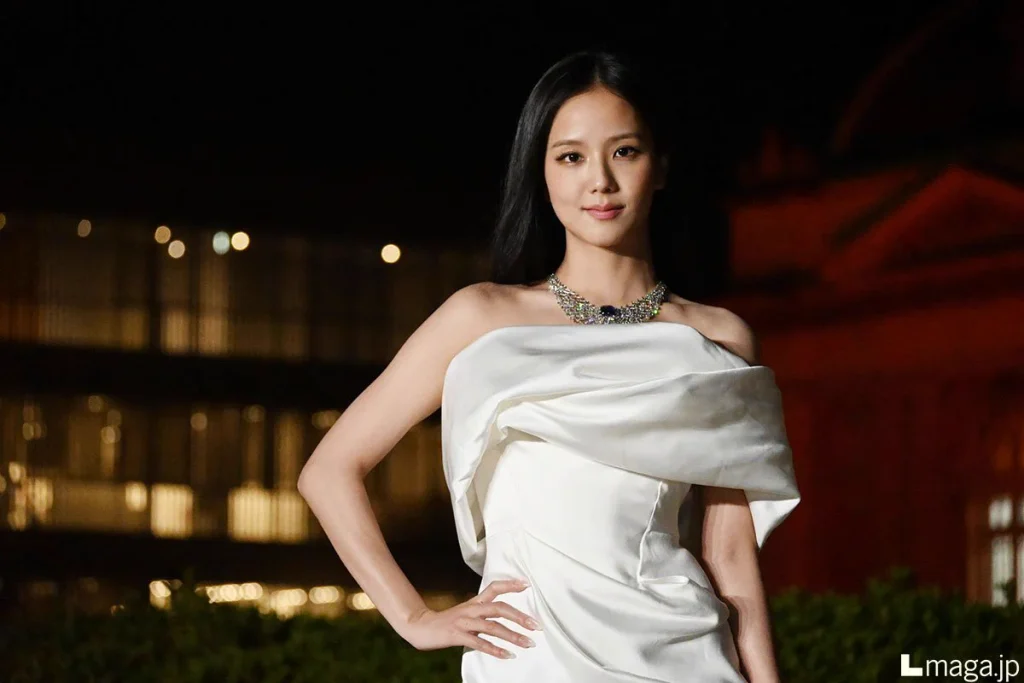 4
4 5
5 6
6 7
7 8
8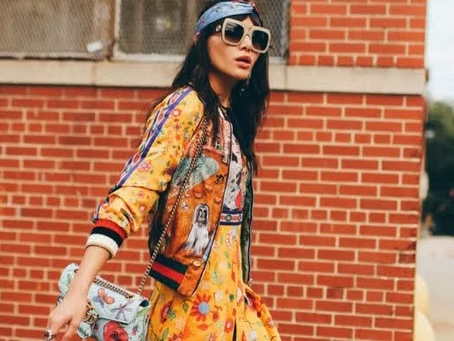
For a while, fashion seemed determined to whisper. Quiet luxury. Neutral colours. Barely-there logos. Fabrics so good they only revealed themselves once you were close enough to touch them. The message was clear, and everyone in the room knew how to read it: if you know, you know.
Fashion never stays quiet for long, though. And after years of deliberate restraint, the industry has fallen back in love with the exact thing it spent a whole cycle pretending not to want: being noticed. Not necessarily through logos. Not necessarily through excess. Through presence — which is a much harder thing to fake.
THE RUNWAY DOESN’T LIVE ON THE RUNWAY ANYMORE
Here’s the shift underneath the shift: a runway look hasn’t belonged only to the runway for years now. Within minutes of a show ending in Paris, that same look is already circulating on Instagram, TikTok, Pinterest, street-style galleries, celebrity feeds, fan accounts and a dozen editorial roundups , travelling from the show floor to Seoul to Los Angeles without ever physically leaving the building it was shown in.

That changes, fundamentally, what actually makes a fashion moment land. It has to be recognisable at a glance. Photogenic in a screenshot. Shareable without context. And, ideally, memorable enough that someone still brings it up a year later.
THE STATEMENT PIECE IS BACK, AND IT NEVER REALLY LEFT
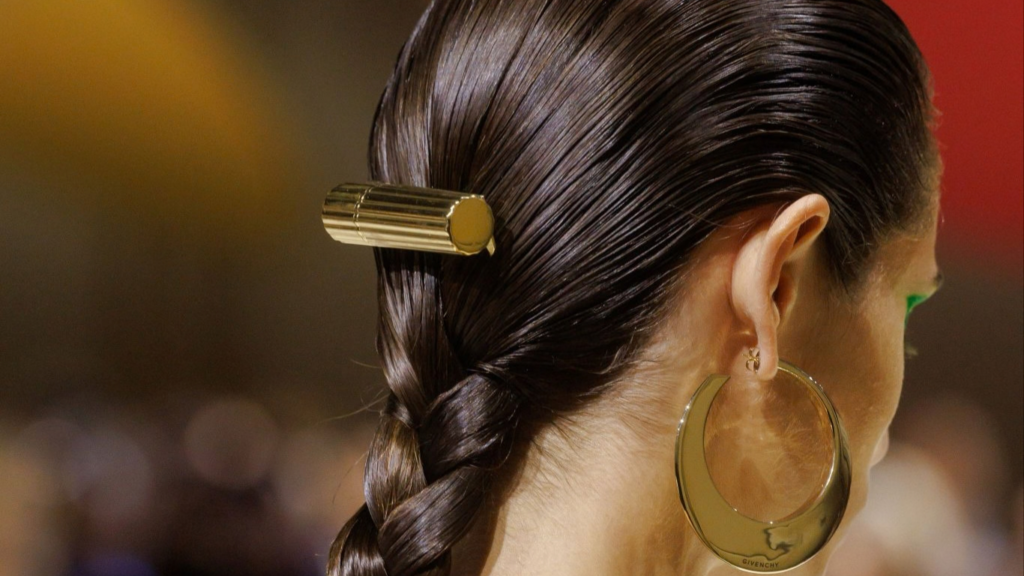
The easiest place to watch this shift happen in real time is accessories. A spectacular bag. Shoes with a silhouette you’d recognise from across a room. Oversized sunglasses. A coat dramatic enough to completely reset the proportions of whatever’s underneath it. None of these pieces are simply finishing a look anymore. They’re building it from the ground up.
Luxury houses have clearly clocked this, and the numbers back it up. Designer bags and small leather goods sat at roughly $72 billion globally as of 2022, and Euromonitor International’s projections, published through BoF Insights, put the category at around $100 billion by 2027 — growth expected to outpace ready-to-wear entirely. That’s not really a story about handbags. It’s a story about visibility, and about which single object a brand can hand someone that does the most communicating on their behalf.
THE INTERNET TOOK OVER THE SCHEDULE
Fashion used to run on a fairly controlled sequence: a collection shows, editors write about it, buyers place orders, and eventually, months later, consumers actually see it in a store. That sequence has effectively collapsed. The audience now participates almost the moment the lights come back on , picking the look they respond to, remixing it, photographing themselves in their own version of it, and occasionally turning a single moment into a trend the house itself never planned for.

The house still makes the original image. The internet decides, almost immediately and largely outside anyone’s control, which version of that image actually becomes culturally important. That’s a genuinely enormous transfer of power, and most of the industry is still only half-adjusted to it.
BEING SEEN DOESN’T MEAN BEING LOUD
Here’s where it gets more interesting than a simple return to logomania. Attention was never really synonymous with excess, even now. A perfectly cut white shirt can outlast a logo-covered look entirely if the styling around it is genuinely exceptional.

A black dress can stop an entire room if the silhouette is doing something nobody’s quite seen before. A single, well-chosen piece of jewellery can carry the whole story on its own. The strongest fashion statements right now rarely scream. They just give people something specific enough to actually look at twice.
WHY LUXURY NEEDS ATTENTION TO SURVIVE
Luxury has always run on desire, and desire, structurally, needs imagination to function — which means it needs an image to attach itself to. That’s the real reason fashion houses have shifted so hard into building entire worlds around a single product. Campaigns are increasingly built like short films. Flagship stores function as destinations rather than simple points of sale. Ambassadors are chosen as cultural figures first, models second. Collections get framed as conversations rather than seasonal drops.
The product still matters, obviously. But the universe constructed around it has become almost as valuable as the object itself. Fashion isn’t only selling the thing anymore. It’s selling the feeling of belonging to the world that thing supposedly comes from — and that’s precisely why attention has become one of the industry’s most valuable currencies. In an environment where literally everyone is producing content constantly, simply being seen is easy. Being remembered afterward is the actual, much harder job.
The goal was never to make everyone look at you. It’s to give them a reason not to look away.
All images featured in this article are credited to owners . They are used for editorial and illustrative purposes only, with no commercial intent. All rights remain with their respective owners.