 111
111 2
2 3
3 4
4 5
5 6
6 7
7 8
8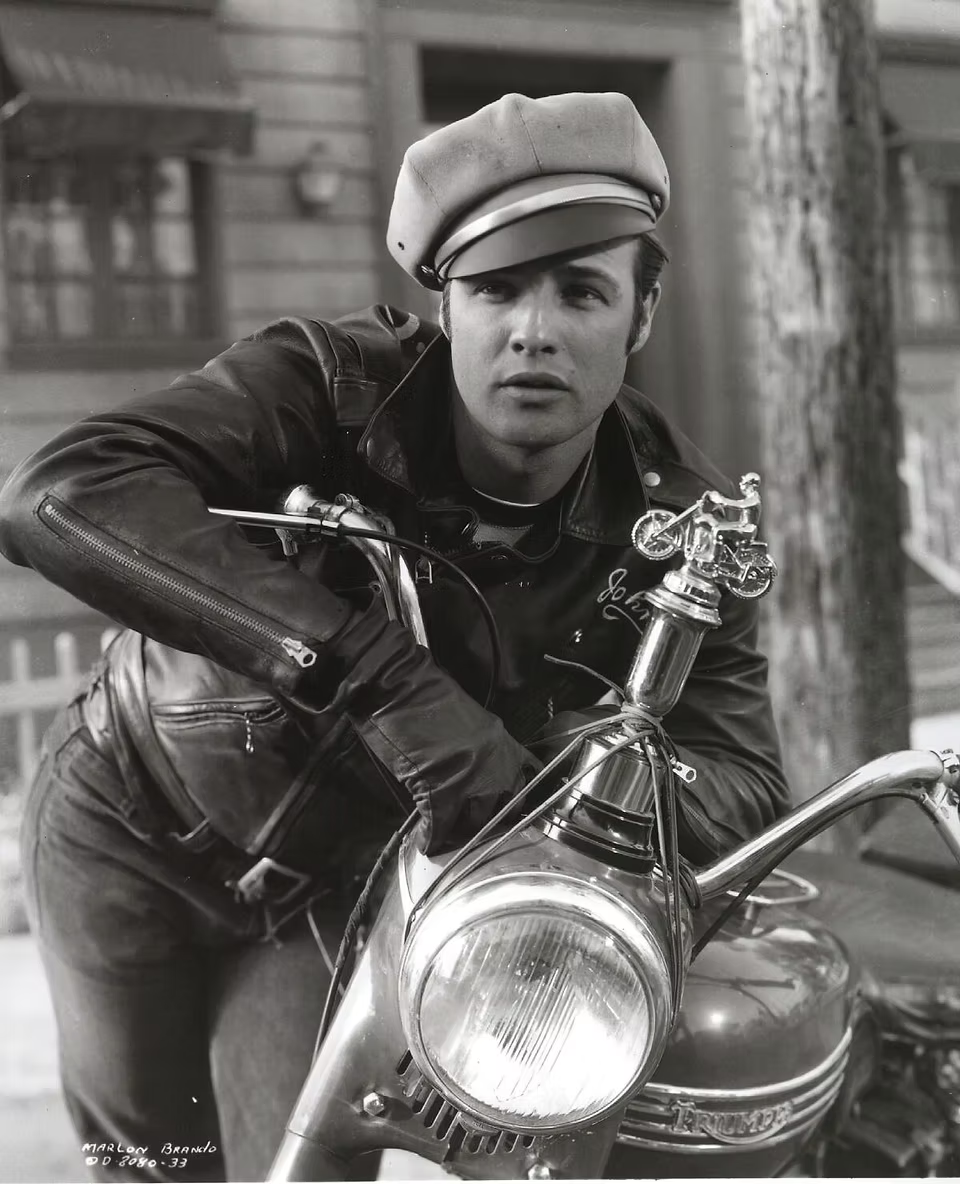
Ask someone to name an iconic piece of fashion and they’ll probably describe something dramatic , a gown, a silhouette, a moment on a runway. Nobody’s first instinct is a white t-shirt. Or a trench coat. Or a plain leather loafer. And that’s exactly the thing I can’t stop thinking about: the garments that have actually survived the longest, worn by the most people, across the most decades, are the ones nobody ever thinks to call iconic at all.
These pieces didn’t win by being spectacular. They won by being useful, then getting reinvented every decade or so by someone who needed them to mean something different. That’s not history. That’s evolution , and it’s a much more interesting story than the one about a single perfect dress.
THE WHITE T-SHIRT
It started as underwear. Genuinely , the US Navy issued white cotton crewnecks to sailors in the 1910s to be worn beneath a uniform, invisible by design, and for decades that’s exactly what it stayed: something you wore so nobody would see it. Then, in 1951, Marlon Brando put one on, alone, as the entire visible outfit, in A Streetcar Named Desire , and something about a tight white t-shirt on its own, with nothing over it, read as raw in a way tailored clothing simply couldn’t. James Dean confirmed it four years later in Rebel Without a Cause. Within a handful of years, an undergarment nobody was supposed to see had become the entire uniform of American rebellion.
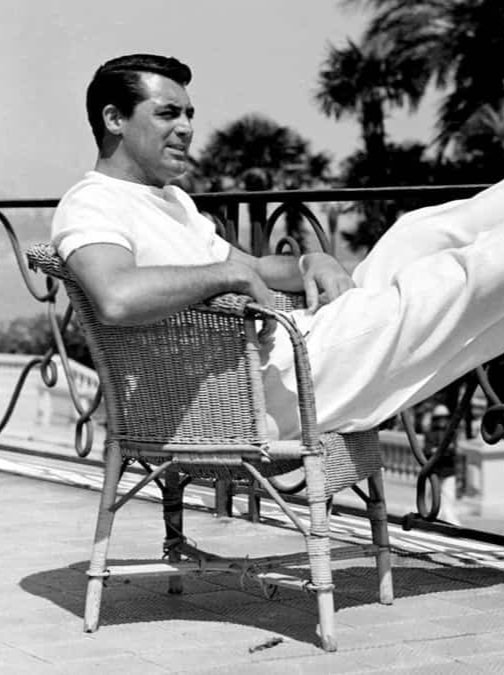


What’s wild is that the garment itself never changed. Same cotton, same shape, same collar. What changed was the context around it , worn alone instead of hidden, chosen instead of assigned. The t-shirt didn’t evolve technically. It evolved socially, and it’s been doing that same trick ever since: counterculture in the ’60s, punk statement piece in the ’70s, blank canvas for screen printing by the ’80s. It survives because it’s never really been one thing. It’s whatever the person wearing it needs it to say that decade.
THE TRENCH COAT
Here’s a detail that changes how you see every trench coat you’ll ever look at again: the fabric it’s made from, gabardine, was invented by Thomas Burberry in 1879 after he noticed how naturally water-repellent the wool smocks worn by Hampshire shepherds were. He patented a way to waterproof individual fibres of cotton and wool rather than coating the whole cloth, which made the fabric breathable in a way rubberised rainwear never was. That innovation went on to survive three separate Antarctic expeditions , Shackleton wore Burberry gabardine on his Endurance voyage , before the British War Office came calling in 1914 and commissioned a version specifically for officers.
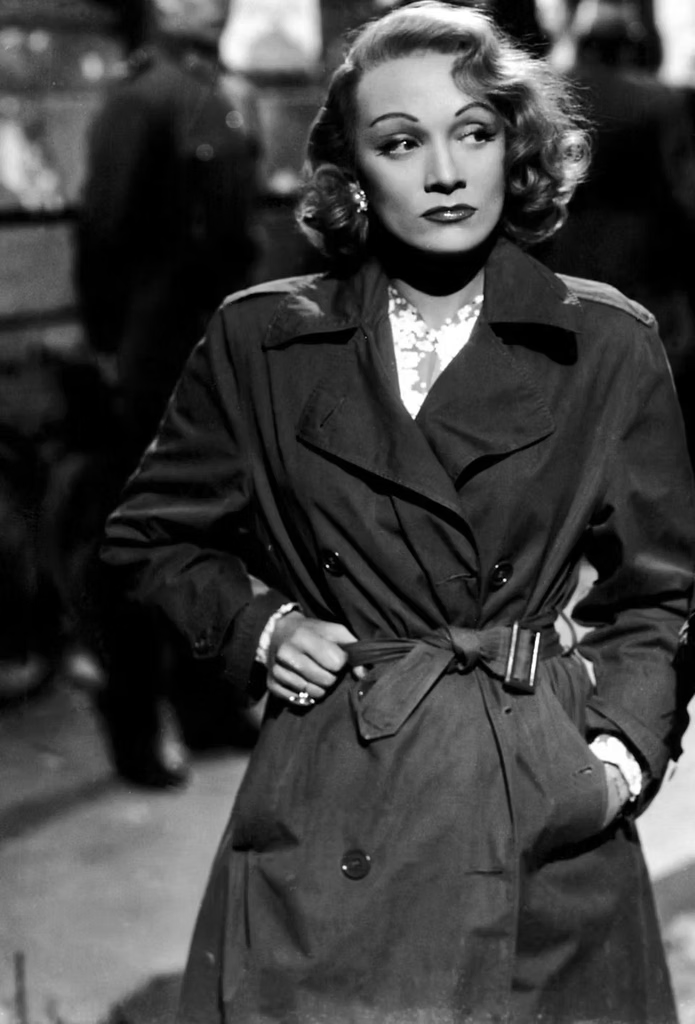
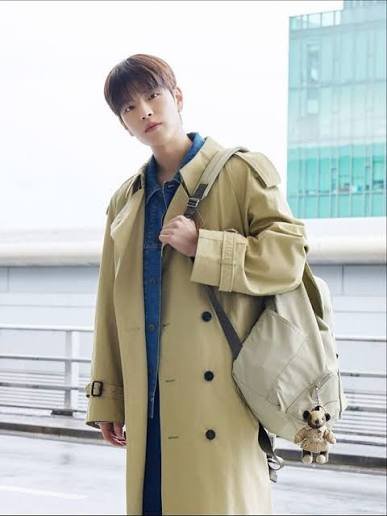

The coat that came out of that commission had a belt to attach equipment, D-rings for grenades, a gun flap at the shoulder, epaulettes for rank , every single detail on a modern trench coat was, at some point, a literal battlefield requirement, and only officers were even allowed to wear one, since they had to buy it themselves. What’s remarkable is how completely that military logic disappeared once Hollywood got hold of it in the decades after. The belt that once held equipment became a way to cinch a waist. The storm flap that protected against gun recoil became a design detail nobody thinks twice about. The coat didn’t lose its function. It just got handed a new one, and it fit that one just as well.
THE BIKER JACKET
In 1928, a Harley-Davidson distributor asked a Staten Island outerwear manufacturer named Schott Bros. to make something durable enough for actual motorcycle riding. Irving Schott built a jacket in horsehide, gave it an off-centre zip so the wind wouldn’t cut straight through the seam, and named it the Perfecto, after his favourite cigar. It sold for $5.50 and stayed, for a quarter century, almost exactly what it sounds like: functional biker gear, nothing more.
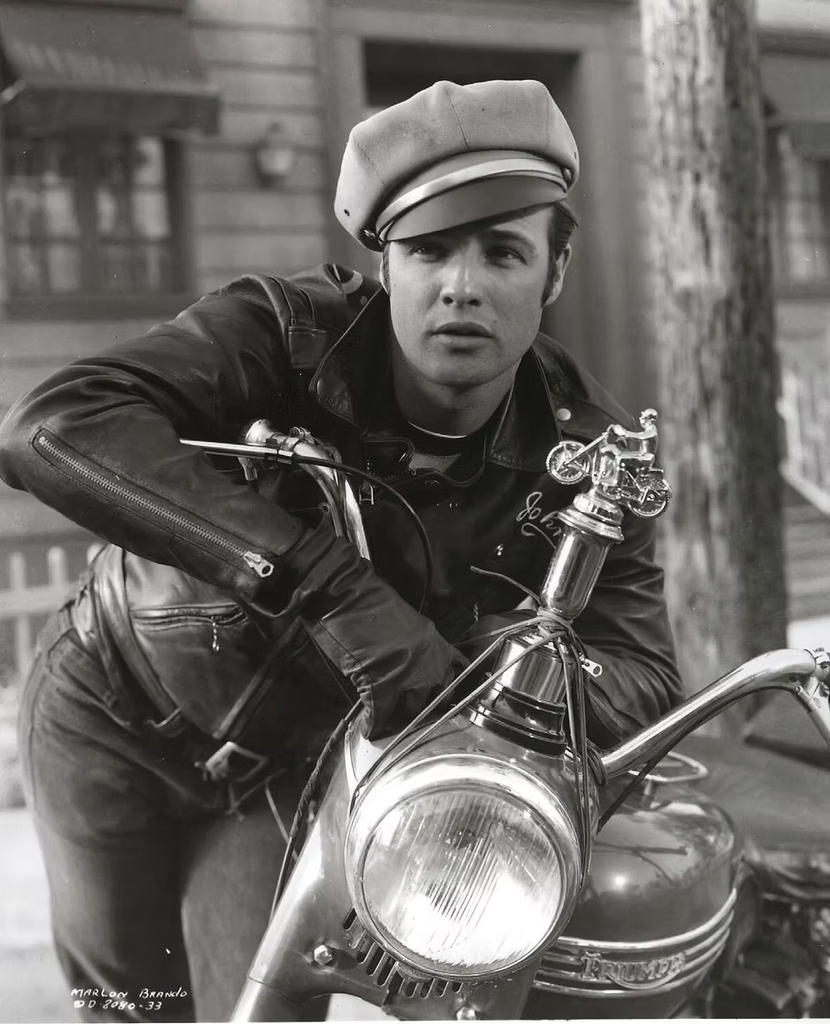
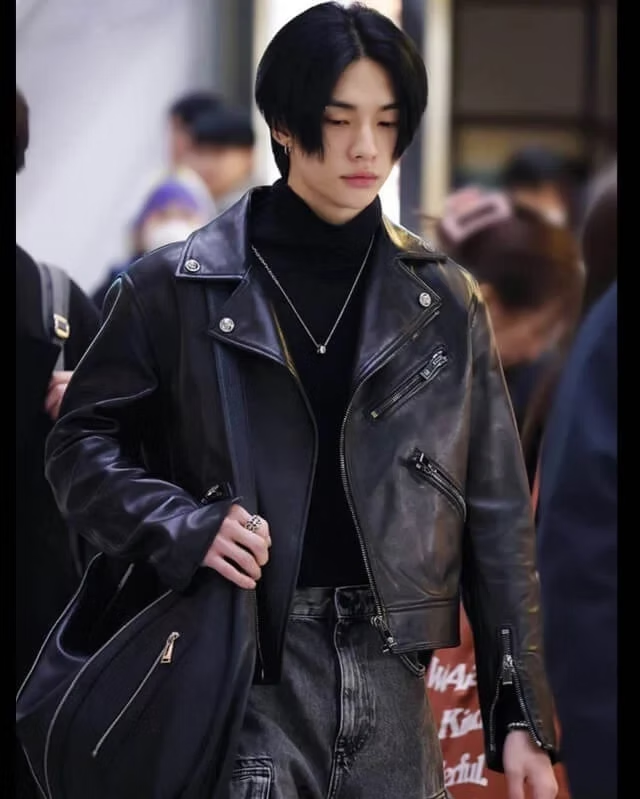
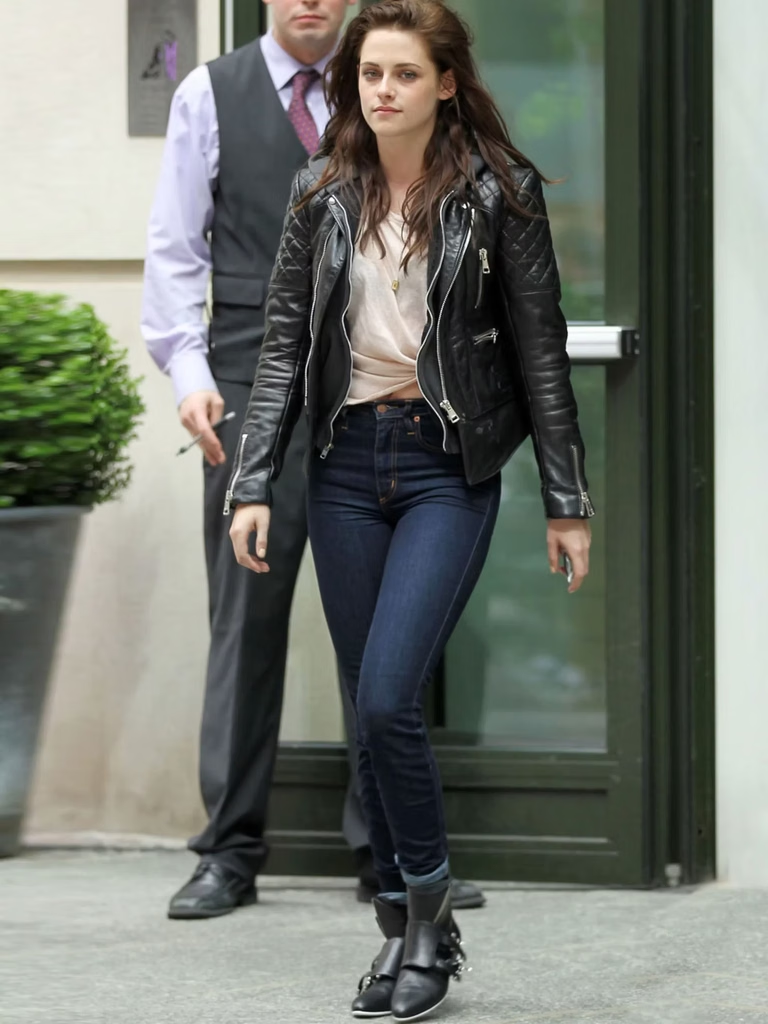
Then, in 1953, Marlon Brando wore one in The Wild One, playing the leader of a fictional motorcycle gang loosely inspired by a real, chaotic 1947 rally in Hollister, California. The jacket had existed, unchanged, for twenty-five years before that film , it wasn’t new, it wasn’t reinvented, it was just suddenly seen by an audience that had never had a reason to look at it before. Off the back of one film role, the Perfecto went from motorcycle equipment to the entire visual grammar of rebellion , passed down from Brando to James Dean to Elvis to, decades later, punk bands who’d never sat on a motorcycle in their lives. Nobody redesigned the jacket. They just kept finding new things for it to mean.
THE LOAFER
The word “loafer” hides a small joke: G.H. Bass named their version the “Weejun” in the 1930s as a shortened wink at “Norwegian,” since the slip-on shoe traced back to Norwegian fishermen who needed something they could kick off easily on a boat. American college students adopted it, and , in one of fashion history’s better accidents , started wedging coins into the diamond-shaped leather strap across the front, which is the entire, slightly absurd reason it’s still called a “penny loafer” today.
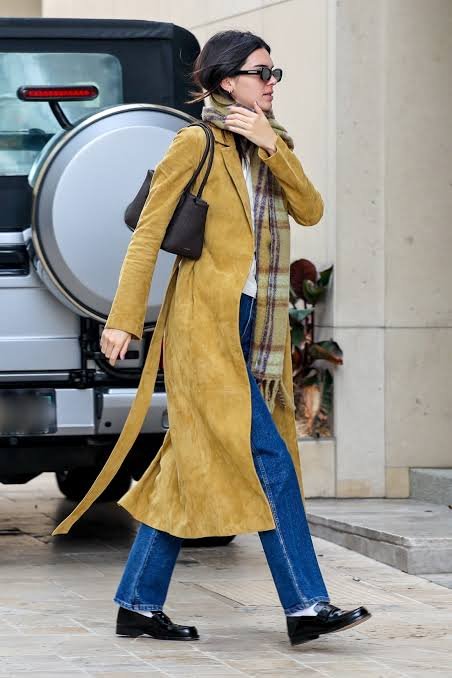
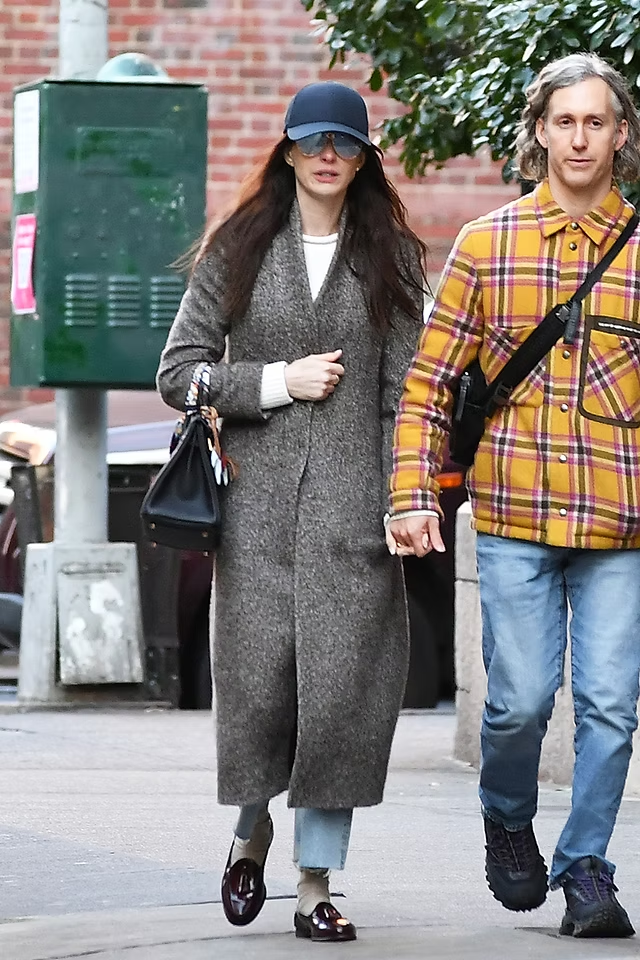
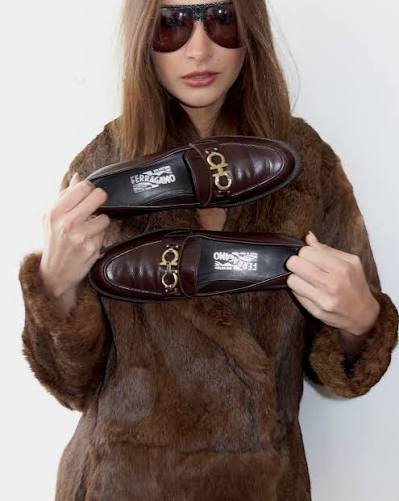
Then, in 1953, Gucci looked at what had become a slouchy, campus-casual American shoe and did something almost insolent to it: made it in sleek black leather, and bolted a gold horsebit , a literal snaffle, the kind used to control a horse , across the vamp. It shouldn’t have worked. A rustic Norwegian fisherman’s shoe reborn as a Florentine status symbol, worn a decade later by Gianni Agnelli and JFK. But the loafer’s whole genius was always its lack of ceremony , no laces, no fuss, on or off in a second , and that genius survived getting dressed up in gold hardware exactly as well as it had survived being worn by a fisherman. By 1969, Gucci alone was selling 84,000 pairs a year out of its US stores.
THE OXFORD SHIRT
In 1896, John E. Brooks , grandson of the man who founded Brooks Brothers , was watching a polo match in England and noticed something almost incidental: the players had pinned their shirt collars down so they wouldn’t flap in their faces mid-game. He liked the idea enough to bring one home in his luggage. By 1900, Brooks Brothers had turned that field hack into the Original Polo Button-Down, made from a Scottish weave called Oxford cloth, and by the 1950s it had drifted from sportswear into the unofficial uniform of Ivy League campuses, worn under tweed and next to penny loafers.
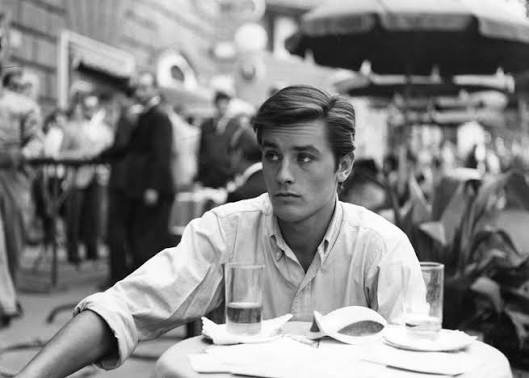

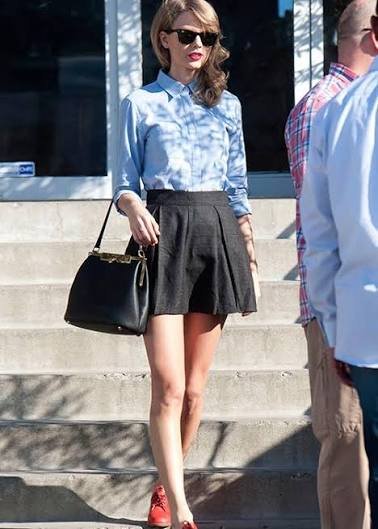
What gets me about this one is how far it travelled from its original job. A detail invented to survive a polo match , pure function, zero fashion intent , ended up defining an entire aesthetic of understated East Coast privilege that persists, more or less unchanged, nearly a hundred and thirty years later. Nobody designed the Oxford shirt to mean “old money.” It just happened to be adopted, gradually, by people that phrase got applied to — and the shirt never had to change a single stitch to earn that meaning.
THE LITTLE BLACK DRESS
Before 1926, black meant one of two things in a woman’s wardrobe: mourning, or servants’ uniforms. Coco Chanel looked at that convention and, by her own account, decided it was ridiculous — “nothing is more difficult to make than a little black dress,” she’d say, “the entrancing tricks of Scheherazade are much easier to copy.” When American Vogue put her simple, long-sleeved black crêpe de chine sheath on its October 1926 cover, the magazine didn’t call it elegant or daring. It called it “The Ford” — a direct comparison to Henry Ford’s Model T, mass-produced, available in exactly one colour, and, crucially, accessible to almost anyone. Vogue predicted, in print, that it would become “the frock that all the world will wear.”
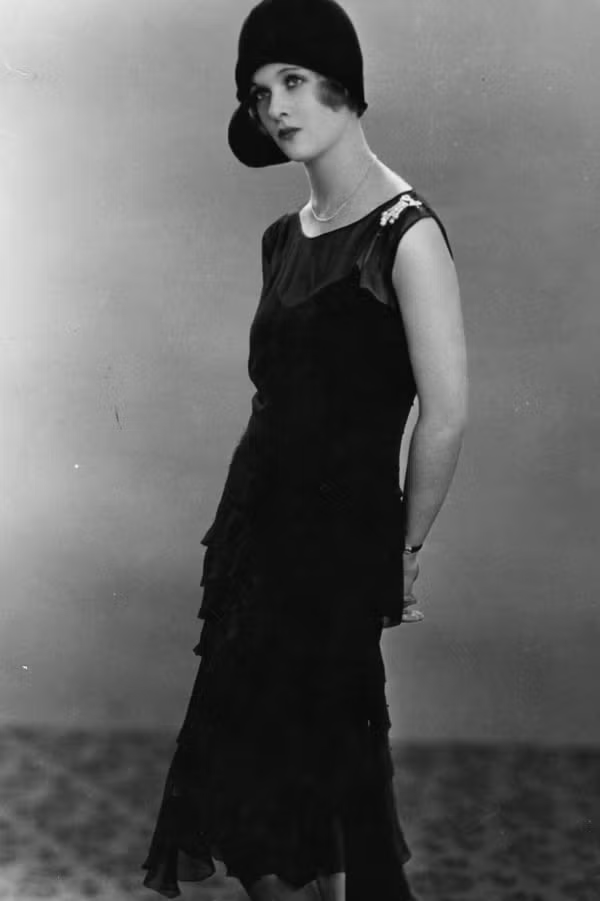
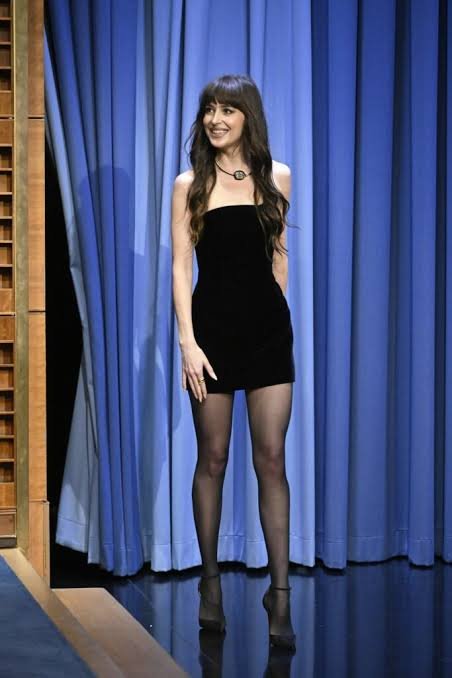
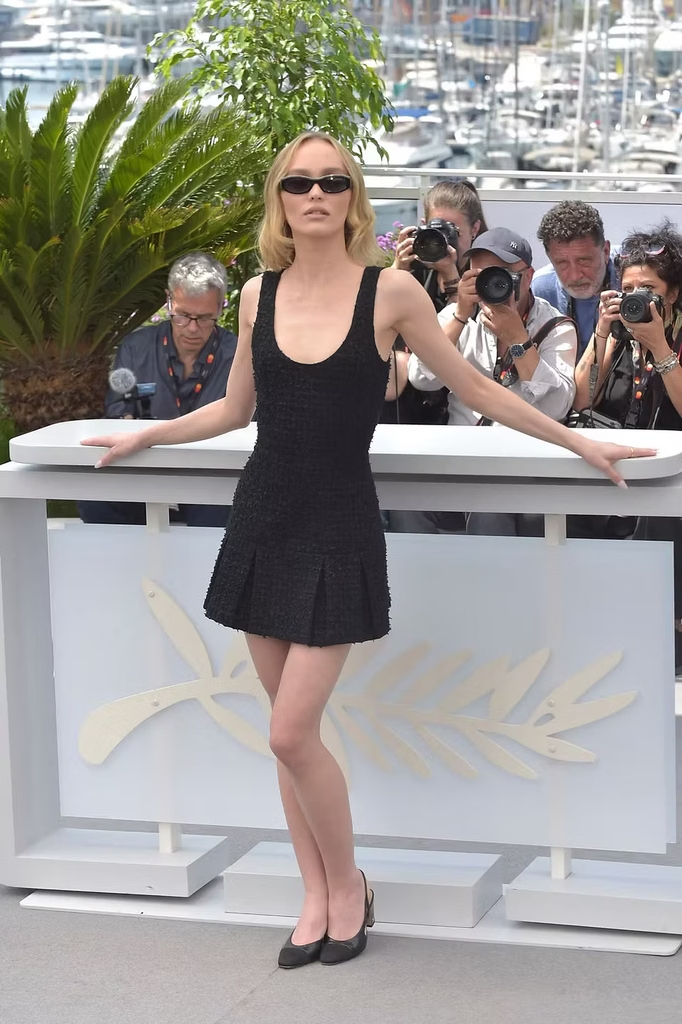
They were right, and the reason is worth sitting with: Chanel didn’t design a dress that depended on being rare to be desirable. She designed one that got more powerful the more women wore it — the opposite of the exclusivity logic most of fashion runs on. Every decade since has quietly redesigned it in its own image: Audrey Hepburn’s Givenchy version in Breakfast at Tiffany’s gave it glamour, punk gave it edge, minimalism in the ’90s gave it back its original austerity. The dress Chanel drew in 1926 barely resembles most of what gets called a “little black dress” today, and that’s not a contradiction. That’s the entire point of what she built — a shape open enough to be redrawn by whoever needed it next.
WHY NONE OF THESE EVER WENT OUT OF STYLE
Put all six side by side and the pattern is almost too clean: not one of them survived by staying the same. The t-shirt went from invisible to statement piece. The trench went from battlefield gear to a symbol of noir glamour. The biker jacket went from motorcycle equipment to punk’s entire wardrobe. The loafer went from a fisherman’s shoe to a gold-buckled status symbol. The Oxford shirt went from a polo hack to old-money shorthand. The black dress went from mourning colour to the most photographed garment in fashion history.
What they share isn’t a look. It’s a kind of structural humility , each one was built to solve one specific, unglamorous problem, which left it with nothing extra to go out of date. A design with no unnecessary ornament has nothing for time to make embarrassing. That’s really the secret hiding inside all six of these, and it’s the opposite of what most of fashion chases: the most enduring garment isn’t the one everyone photographs on a runway once. It’s the one quiet enough to be reinvented, honestly, every single decade, by someone who never had to ask its permission first.
All images featured in this article are credited to owners . They are used for editorial and illustrative purposes only, with no commercial intent. All rights remain with their respective owners.