Cinema’s most unforgettable moments rarely exist in dialogue alone; they are woven into the very fabric worn by its characters. When costume design turns its lens toward historical and feudal Japan, garments transcend mere wardrobe. They become narrative architecture, non-verbal psychology, and living sculpture.
From the haute-couture fantasy of 1930s Kyoto to the uncompromising Sengoku-period realism of 16th-century feudal courts, three costume visionaries,Colleen Atwood, Carlos Rosario, and Ngila Dickson, have shaped how global audiences perceive the sartorial poetry of Japan.
Here is an in-depth, insider analysis of their craftsmanship, color symbolism, and iconic character transformations, curated exclusively for Fashionable Kanvas.
1. Colleen Atwood & ‘Memoirs of a Geisha’ (2005): The Haute Couture Fantasy of Kyoto
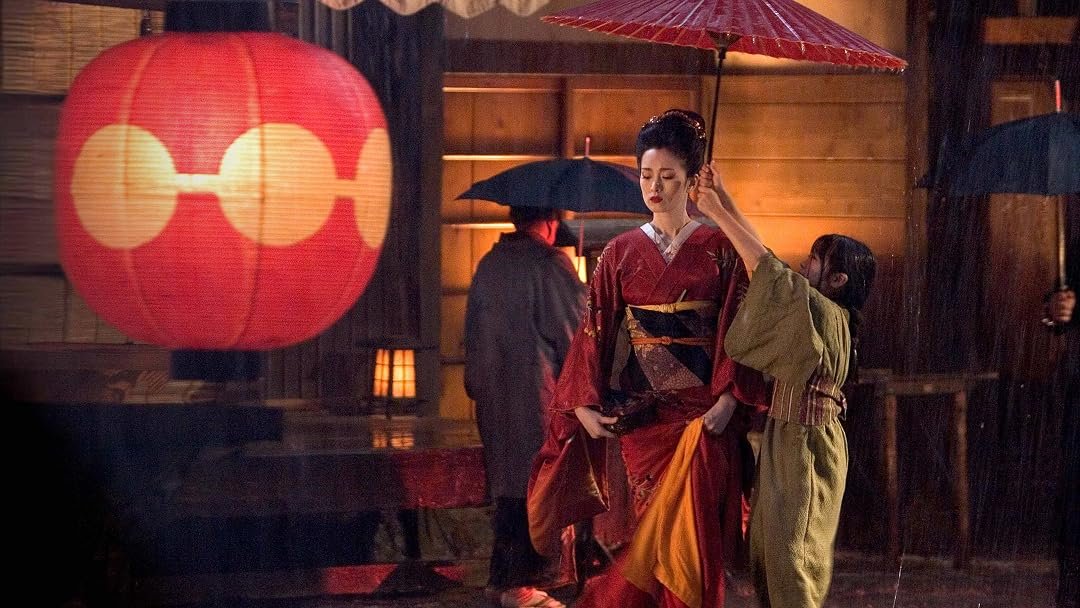
When four-time Academy Award-winner Colleen Atwood took home the Oscar for Best Costume Design for Memoirs of a Geisha, she sparked an enduring dialogue among textile historians and fashion editors. Rather than creating a museum-grade historical documentary of 1930s Gion, Atwood deliberately approached the film as an impressionistic fairytale, fusing Japanese silk traditions with Western haute couture techniques.
The Structural Alterations & Tailoring Mechanics
The Obi Sash: Traditional obi sashes of the era were notoriously wide and rigid. Atwood narrowed the belts and lowered their placement on the torso to elongate the actresses’ figures, creating a sleek, lengthened silhouette reminiscent of Parisian mid-century couture.
The Neckline (Eri): In traditional geisha culture, the nape of the neck is considered the most sensual part of the body. Atwood exaggerated the backward drop of the kimono collar (eri), exposing the neck and shoulders far more dramatically than historical etiquette permitted, heightenening the romantic tension on screen.
Character Color Palettes & Textile Breakdown
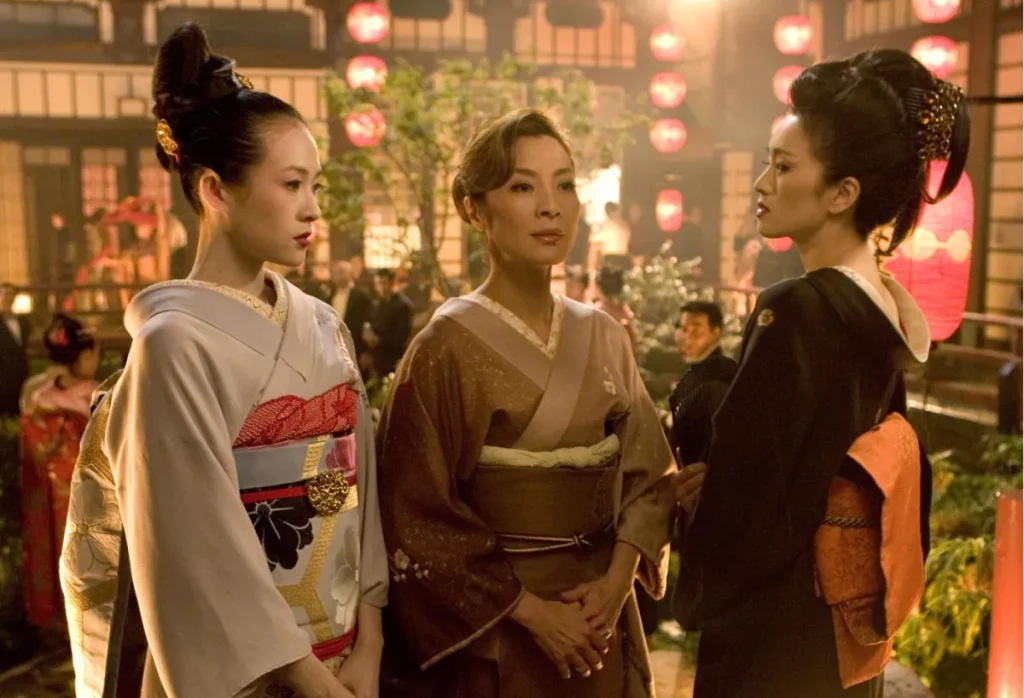
Sayuri (Zhang Ziyi) — The Water Element:
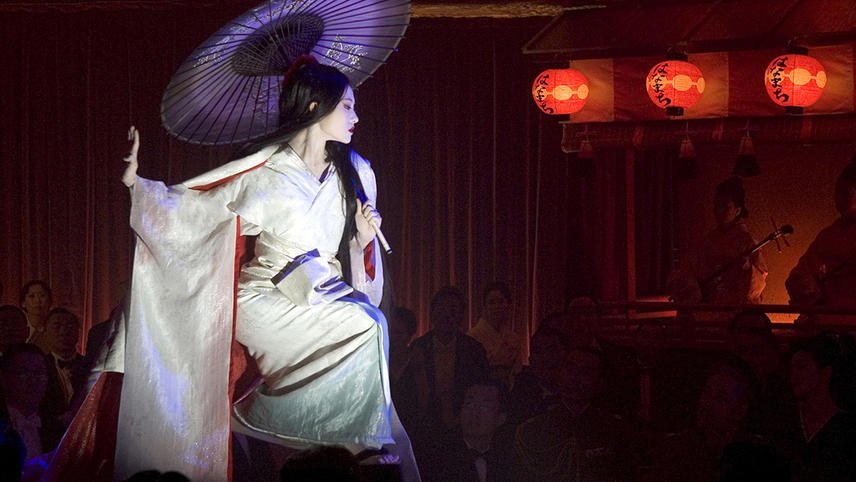
The Solo Dance Kimono: For Sayuri’s iconic debut solo performance in the snow, Atwood created an extraordinary long-sleeved furisode in deep indigo blue, hand-painted with cascading silver-white wave motifs. The sleeves were dramatically extended so that when Sayuri spun under the artificial snow, the silk caught the kinetic light like liquid water.
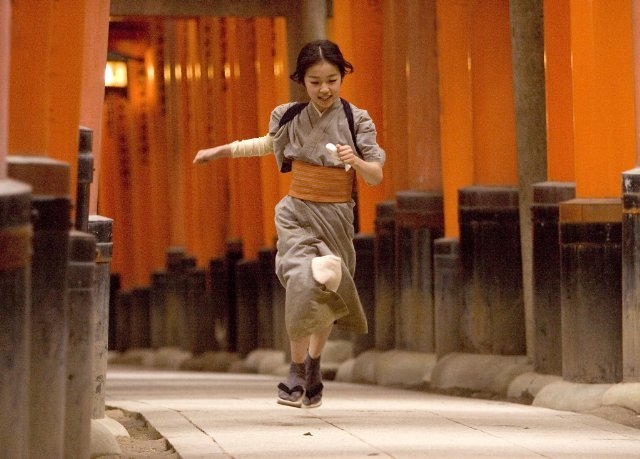
Transformation Palette: Sayuri evolves from dusty gray-blue unbleached cottons as an ochiya servant into translucent ice-blues, soft silvers, and liquid platinum silks as a premier geisha.
Hatsumomo (Gong Li) — Fire & Obsolescence:
The Palette: Crimson, blood-red, deep plum, and obsidian black.
Motifs: Hatsumomo’s wardrobe is dominated by aggressive, sharp floral embroidery, flame motifs, and high-gloss silk satin. Her garments reflect her volatile jealousy and fiery passion, contrasting sharply with Sayuri’s fluid, serene water motif.
Mameha (Michelle Yeoh) — Earth & Refinement:
The Palette: Muted moss greens, warm champagne gold, pastel sage, and delicate wisteria.
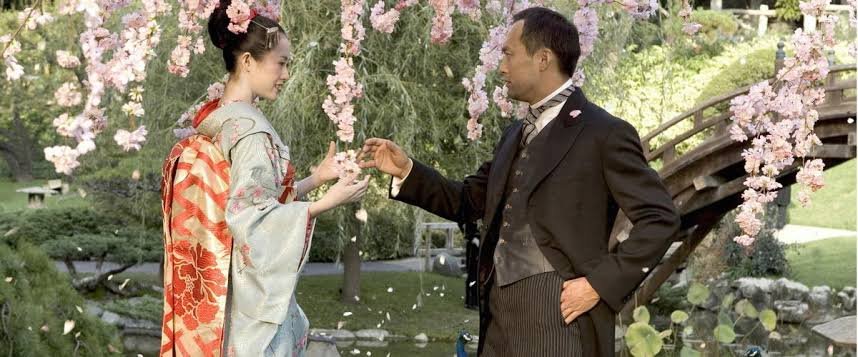
Motifs: Mameha represents peak geisha mastery and quiet authority. Her kimonos feature subtle cherry blossom hand-dyeing (shibori) and understated brocades that project unshakeable poise.
Iconic Cinematic Scene:
The Gion Spring Promenade, where Mameha and Sayuri walk through the cherry blossoms in synchronized pastel silks, demonstrating the subtle art of stopping a man in his tracks with a single glance over an embroidered silk shoulder.
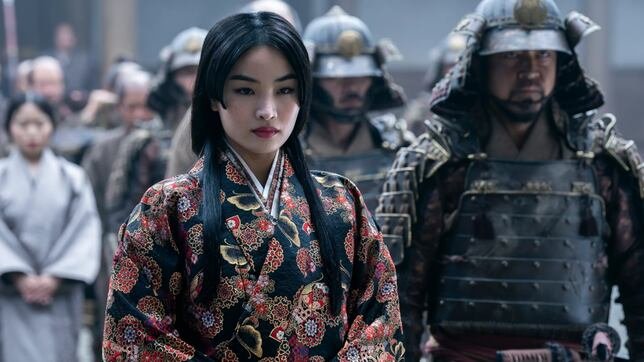
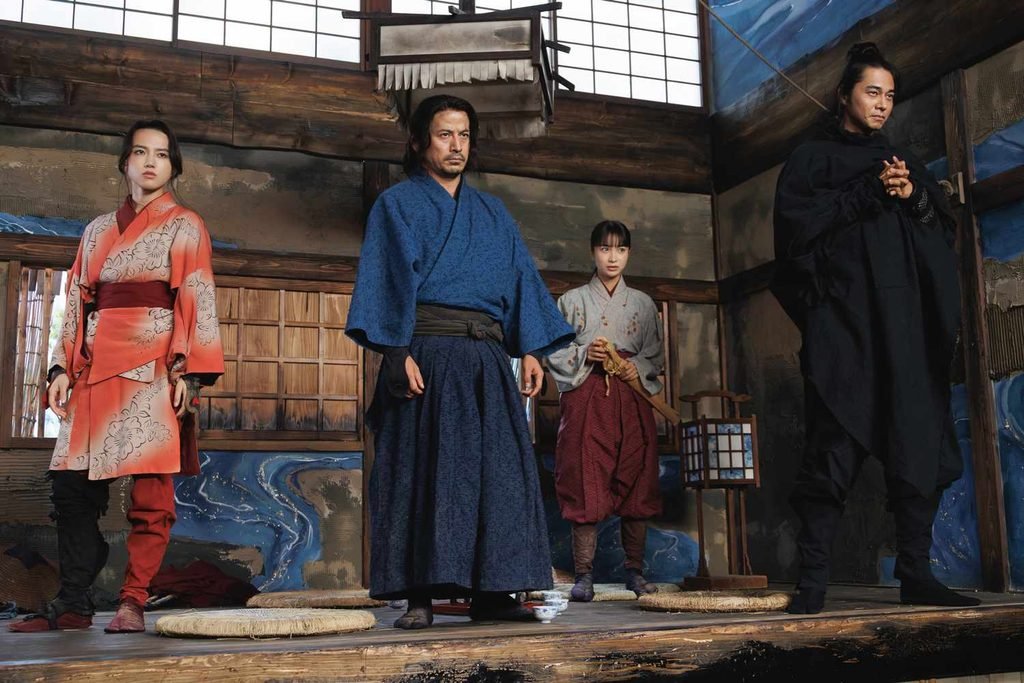
In FX’s Emmy-sweeping masterpiece Shōgun, costume designer Carlos Rosario executed one of the most ambitious sartorial achievements in television history. Crafting over 2,300 bespoke costumes in collaboration with master Japanese armorers, textile historians, and traditional embroiderers, Rosario established a new benchmark for historical authenticity on screen.
Historical Mechanics & Period Authenticity
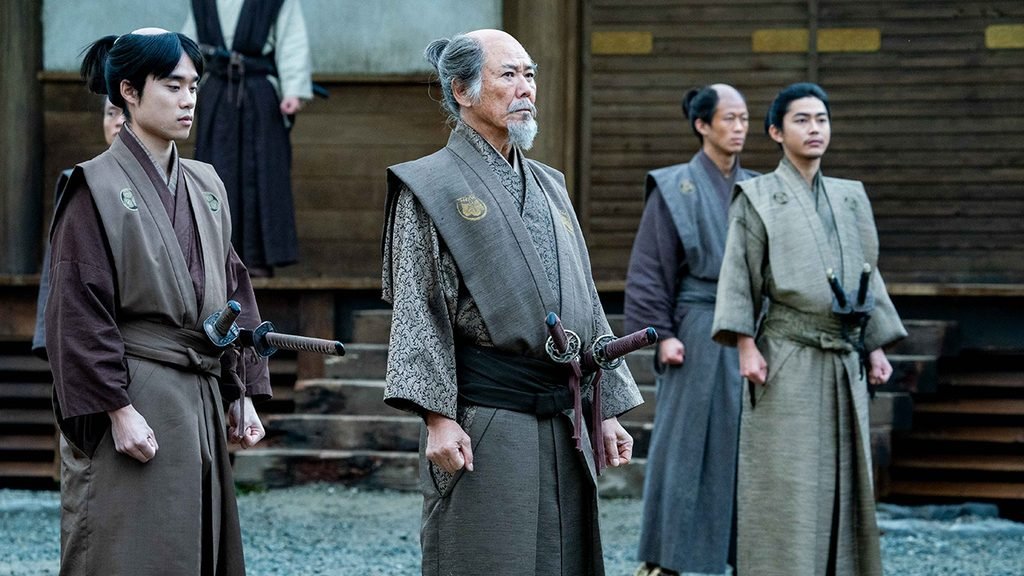
Set in 1600 at the tail end of the Sengoku (Warring States) period, clothing was literally a matter of life, death, and social rank. Rosario eschewed modern synthetic blends entirely, sourcing authentic hemp, raw cotton, hand-woven silk brocades, and genuine iron lacquer plates.
Clan Color Psychology & Character Breakdown
Lord Yoshii Toranaga (Hiroyuki Sanada) — Grounded Wisdom:
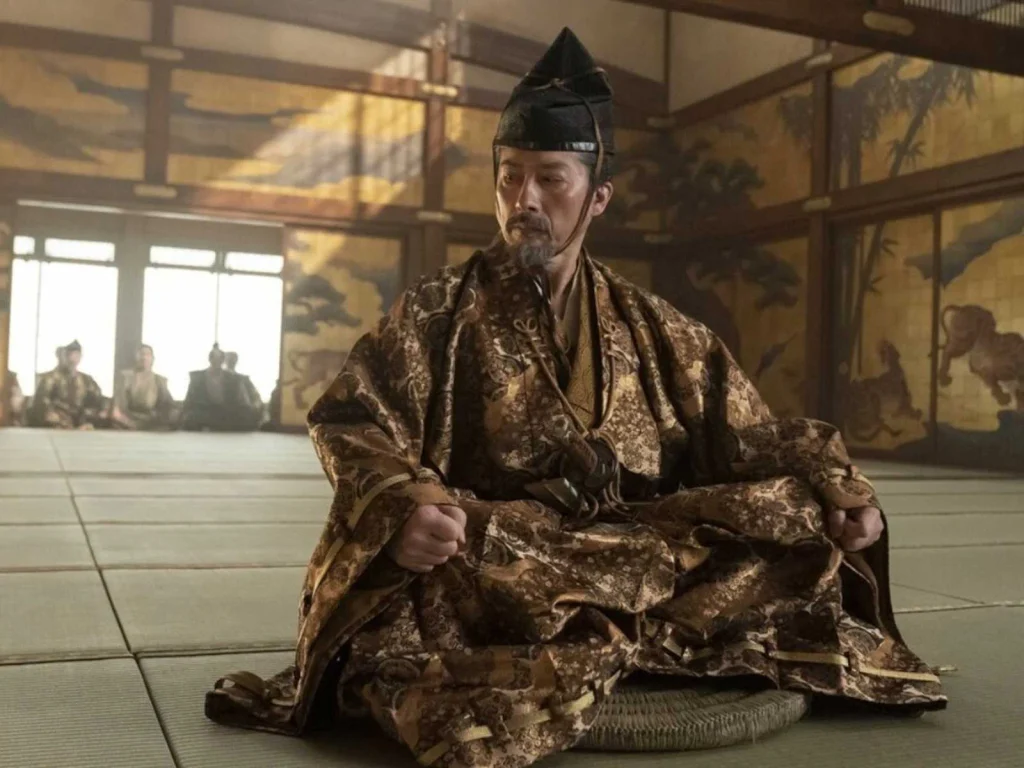
The Palette: Earthy falcon browns, deep indigo, forest green, and antique burnished gold.
The Symbolism: Toranaga’s wardrobe eschews flashy displays of wealth. His casual court robes feature understated geometric patterns woven with his family’s falcon crest (mon). His grand battle armor (yoroi) consists of dark lacquered plates laced with gold thread, mirroring his patient, predatory strategy.
Lady Mariko (Anna Sawai) — Suppressed Power as Emotional Armor:
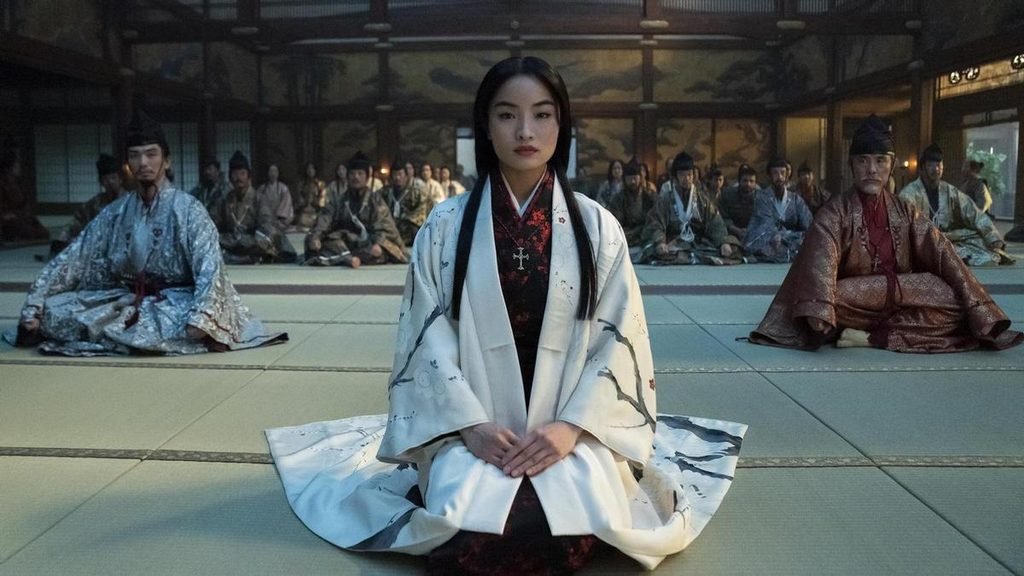
The Palette: Winter white, ice blue, pale lilac, and muted slate.
The Tailoring: Mariko’s garments are structured and tightly layered, reflecting her internal discipline, Christian faith, and traumatic past. Her multi-layered kosode robes fit like a pristine cocoon.
The Osaka Standoff Outfit: In her most iconic sequence, Mariko dons a striking winter-white and deep indigo silk travel robe paired with a dark sash. The stark white symbolizes both purity and readiness for death in samurai culture.
Ochiba no Kata (Fumi Nikaido) — The Golden Cage of Royalty:
The Palette: Saturated royal crimson, heavy gold brocade, deep violet, and shimmering bronze.
The Layers: Drawing inspiration from the traditional jūnihitoe (twelve-layer court kimono), Ochiba’s grand court attire is intentionally heavy and rigid. The suffocating volume of gold brocade highlights her immense political power as mother to the heir, while visually trapping her inside the golden halls of Osaka Castle.
Iconic Cinematic Scene:
Lady Mariko’s Standoff in Osaka Castle, holding a naginata (traditional polearm) in her immaculate white-and-indigo travel silk against a wall of armed guards—a visual masterclass in grace under pressure.
3. Ngila Dickson & ‘The Last Samurai’ (2003): The Collision of Western Wool and Crimson Armor
Academy Award-winner Ngila Dickson (The Lord of the Rings) faced a profound sartorial challenge in The Last Samurai: visualising the painful 19th-century cultural collision between traditional feudal Bushido culture and Western industrial modernization during the Meiji Restoration.
The Sartorial Conflict: Wool vs. Silk & Iron
Dickson weaponized tailoring to tell the story of a dying era:
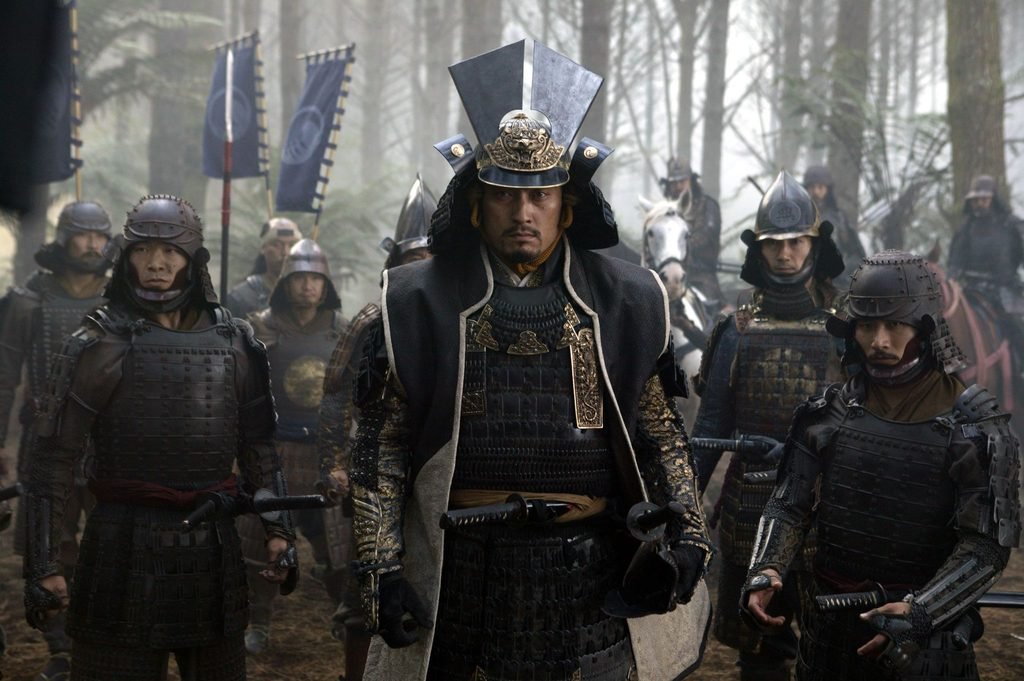
The Imperial Army: Rigid, mass-produced Western-style military uniforms made from dark navy wool, stiff brass buttons, and gold epaulets—symbolizing mechanized, impersonal progress.
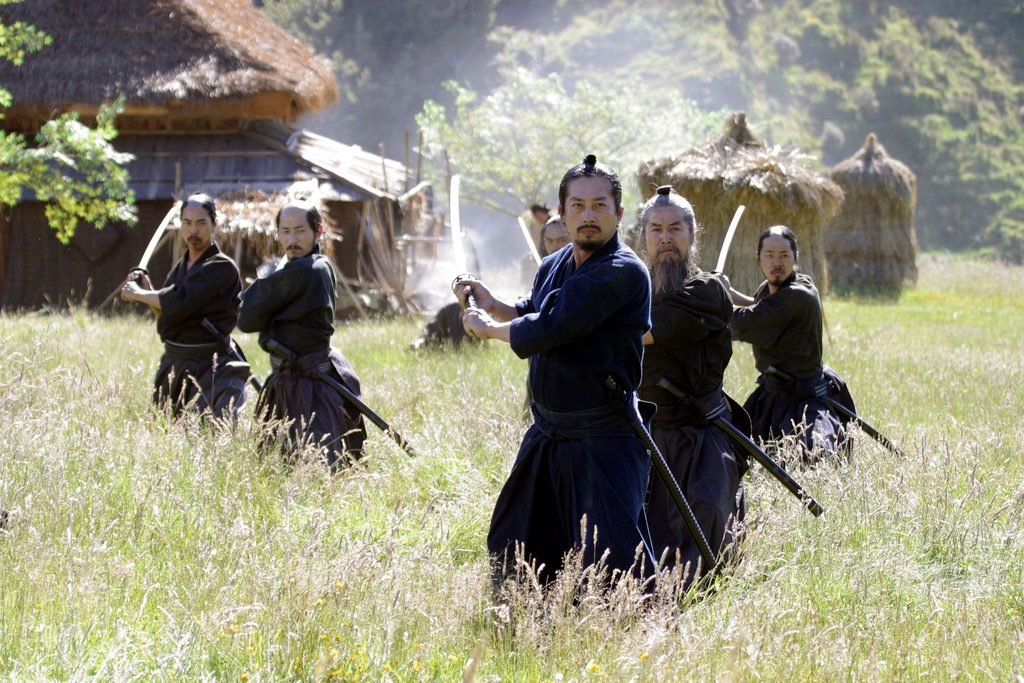
The Samurai Rebellion: Hand-crafted, organic textiles—indigo-dyed cottons, hand-woven hakama trousers, and bespoke lacquered iron armor tied with silk cords (odoshi).
Character Garment & Armor Breakdown
Lord Katsumoto (Ken Watanabe) — Noble Heritage:
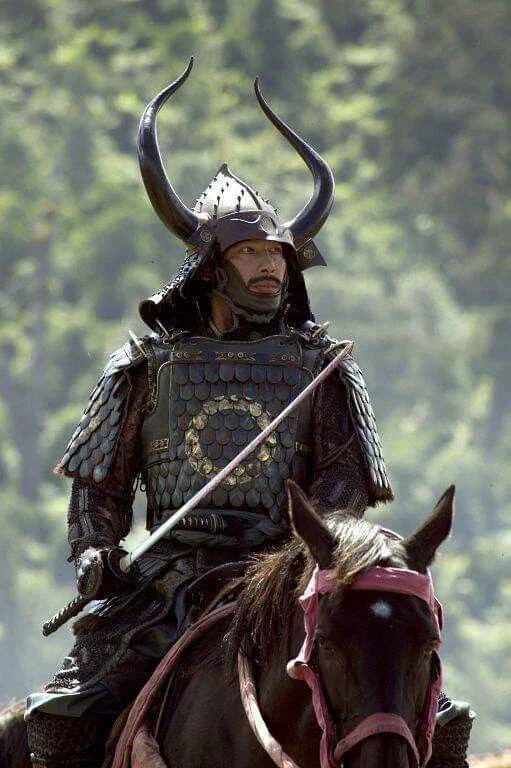
The Battle Armor: Katsumoto wears an authentic crimson and black lacquered gusoku armor laced with deep red silk cords. The rich red dye (akane) historically signified high status and martial courage.
The Village Robes: In times of peace, Katsumoto wears relaxed, hand-loomed indigo cotton robes and voluminous pleated hakama trousers, reflecting his deep harmony with nature and his people.
The Transformation: Algren begins the film trapped in a stiff, dark blue US Army uniform. Upon entering the samurai village, he adopts soft, unbleached linen yukatas.
The Sacred Red Armor: For the final battle, Algren is gifted the ancestral red lacquered armor belonging to Taka’s fallen husband. Fitted plate by plate, the armor symbolizes Algren’s spiritual rebirth, acceptance into the clan, and commitment to their honorable code.
Taka (Koyuki) — Serene Domestic Strength:
The Palette: Muted slate greys, soft sky blues, dusty rose, and natural linen.
The Craft: Taka’s wardrobe relies on subtle hand-dyeing techniques (kasuri). Her garments project a calming, understated domestic elegance that grounds the film’s intense martial violence.
Iconic Cinematic Scene:
The Armoring Ritual in the Village, where Taka meticulously ties the silk cords of the crimson armor around Nathan Algren before the final battle, an intimate, silent moment of mutual respect and quiet emotion.
What makes these three productions immortal in the pantheon of cinema is how their costume designers treated wardrobe as narrative subtext:
Colleen Atwood proved that high-fashion fantasy can elevate emotion above strict historical realism.
Carlos Rosario showed that radical historical accuracy can feel breathtakingly modern and dramatic.
Ngila Dickson demonstrated how the clash of two different textiles can tell the story of a changing world.
In their hands, silk, lacquer, and iron became the ultimate canvas for human storytelling.
All images featured in this article are credited to owners . They are used for editorial and illustrative purposes only, with no commercial intent. All rights remain with their respective owners.
 1
1 2
2 3
3 4
4 5
5 6
6 7
7 8
8